Volume One introduces the reader to think about Nihilism together as an act of creation. Beyond Marxist interpretations, Nihilism is going through a Renaissance. In China.

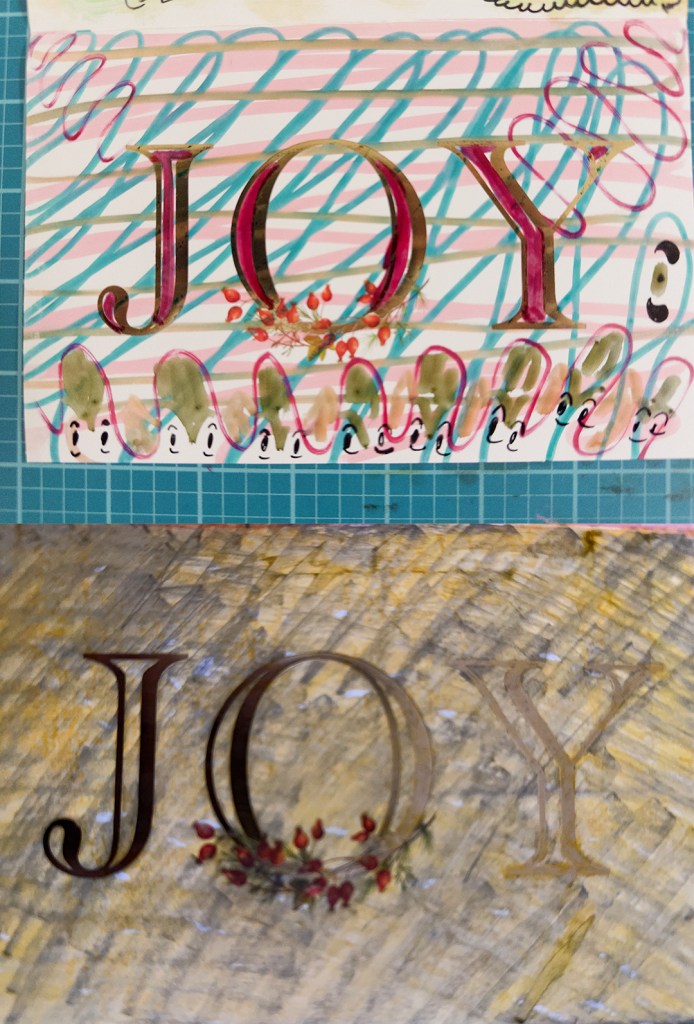
“Orion, the seven star system said to me: Let us focus our attention on Joy, Typography with hand drawn elements and Gusto. In Finding other criteria between Fauvism and Postmodernism. Chris-Mas is a series of critical essays focusing on the human condition. Between power and faith, we find meaning. Meanwhile, where are all the Nihilist, in China dear? “

In later essays, we attempt to draw historical mental maps. Connecting the rise behind China’s new complex. In the 21st, that is. To say nothing of seeing Postmodernist criteria as the most accurate theory for understanding history. We clearly understand, contradictory narratives is the only clear lens for understand both Pre-Modern (dark ages) and Modern epochs. From 1400 to 1900 and well into the 20th and 21st Centuries. We have arrived at Postmodern (1960 to present).

A note to the conservative critic. Circa 1400 to 1900.
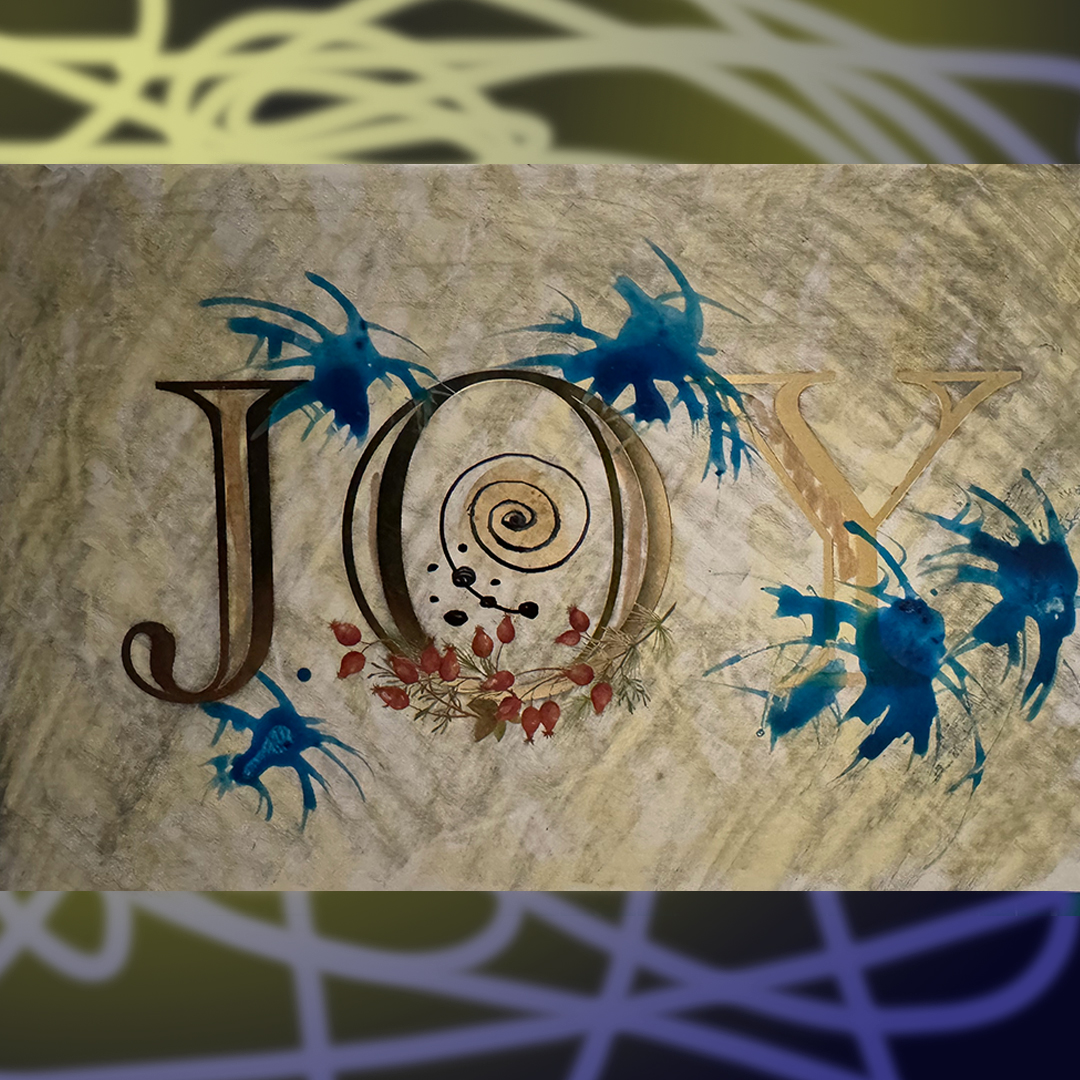
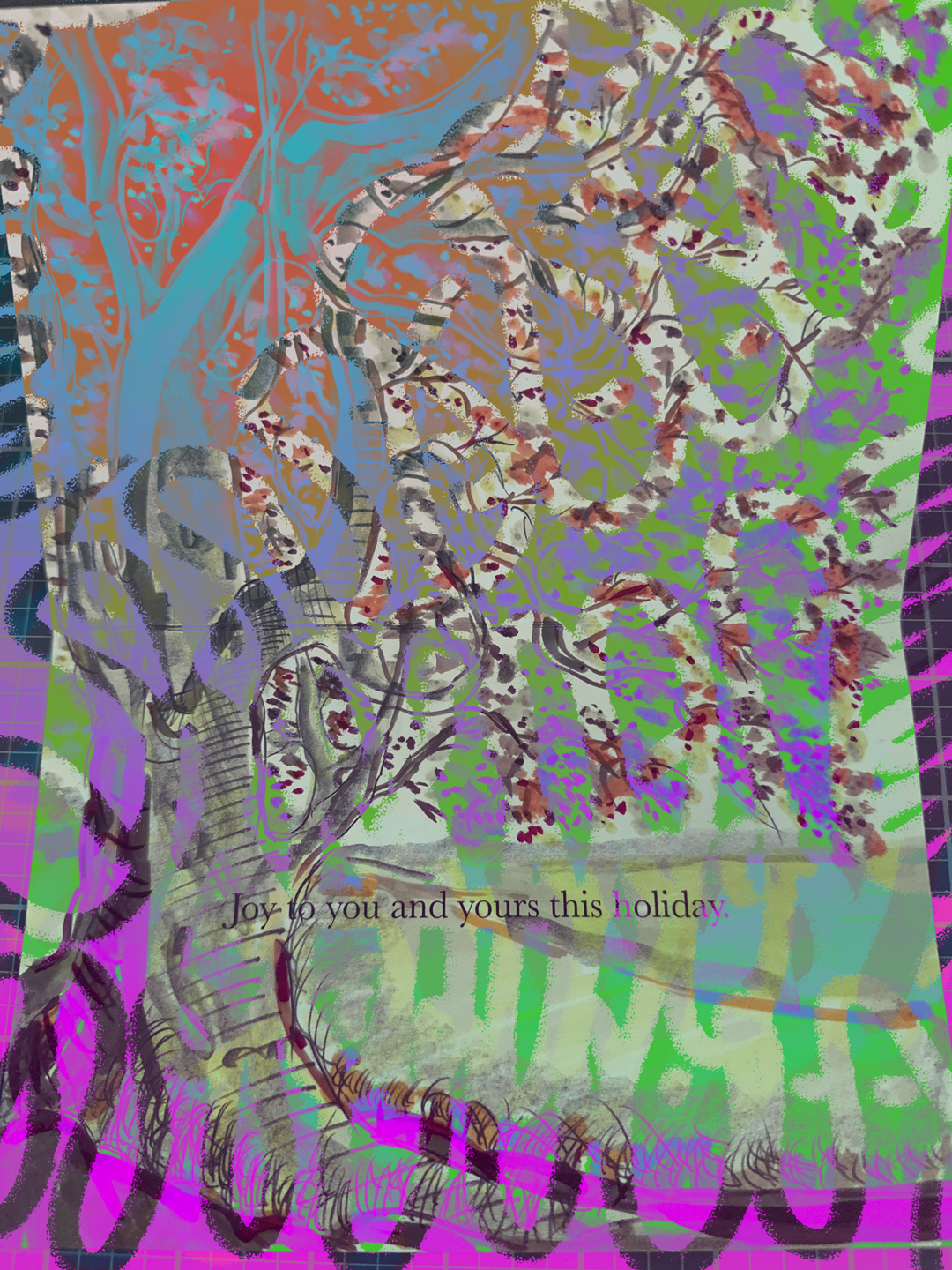
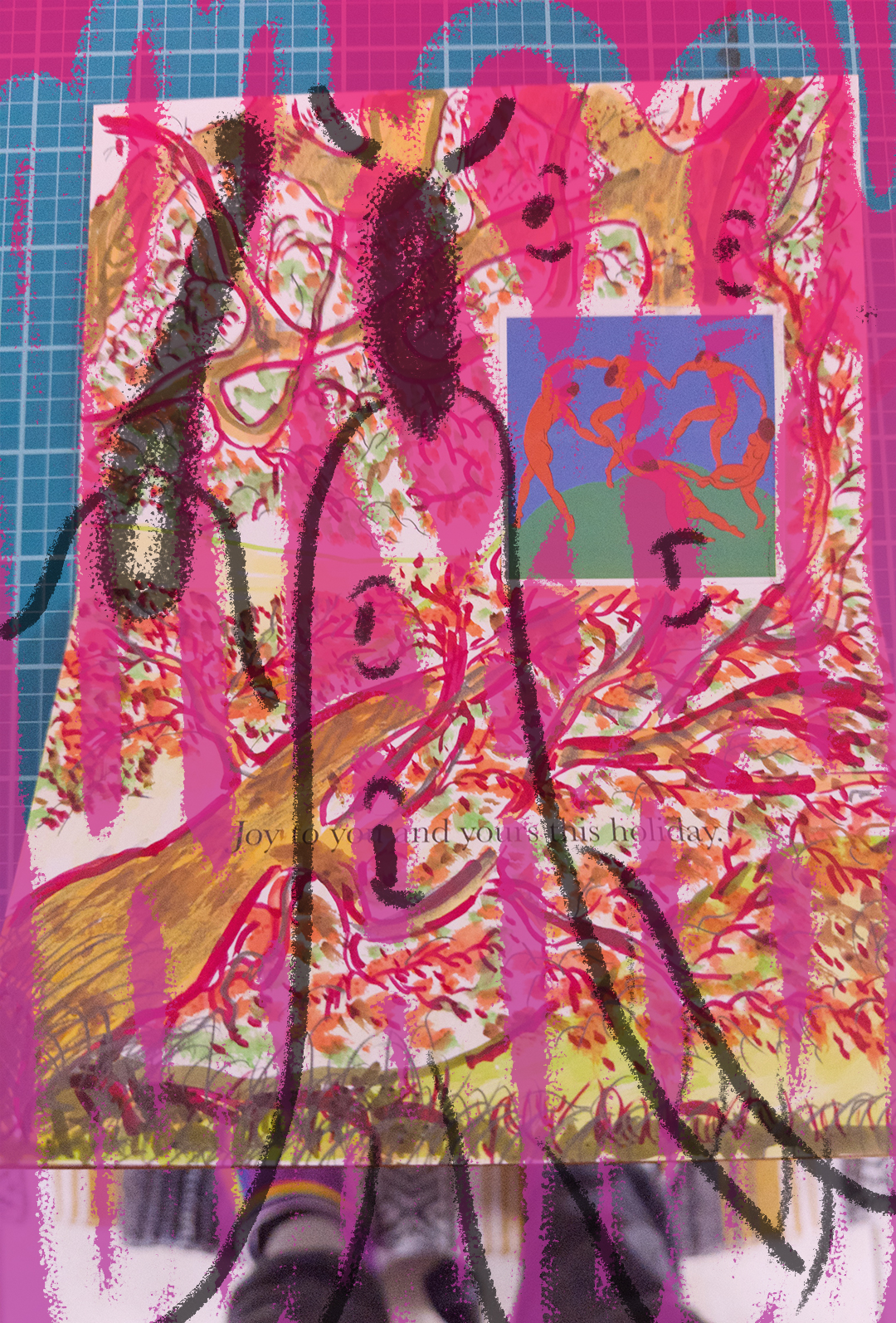
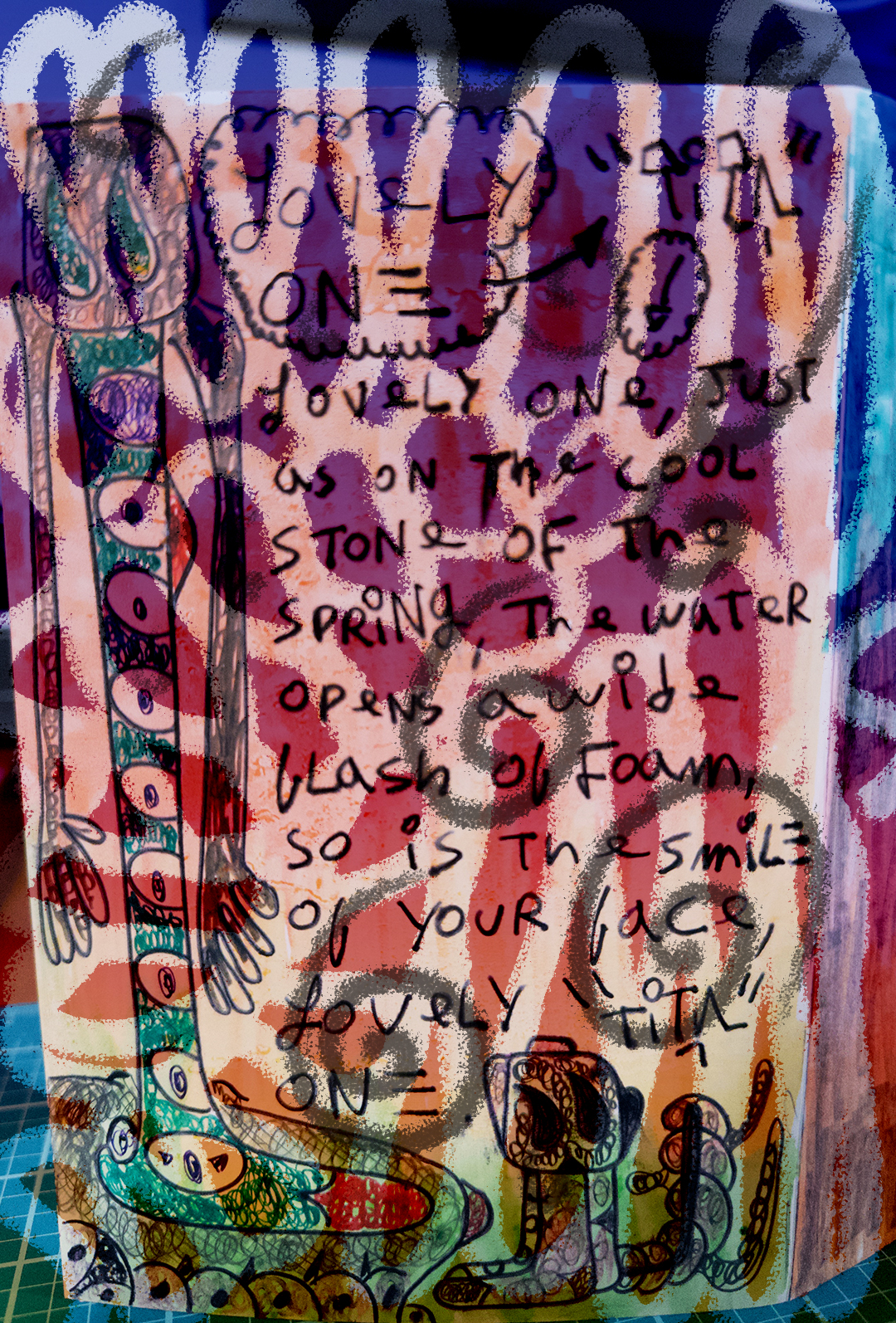
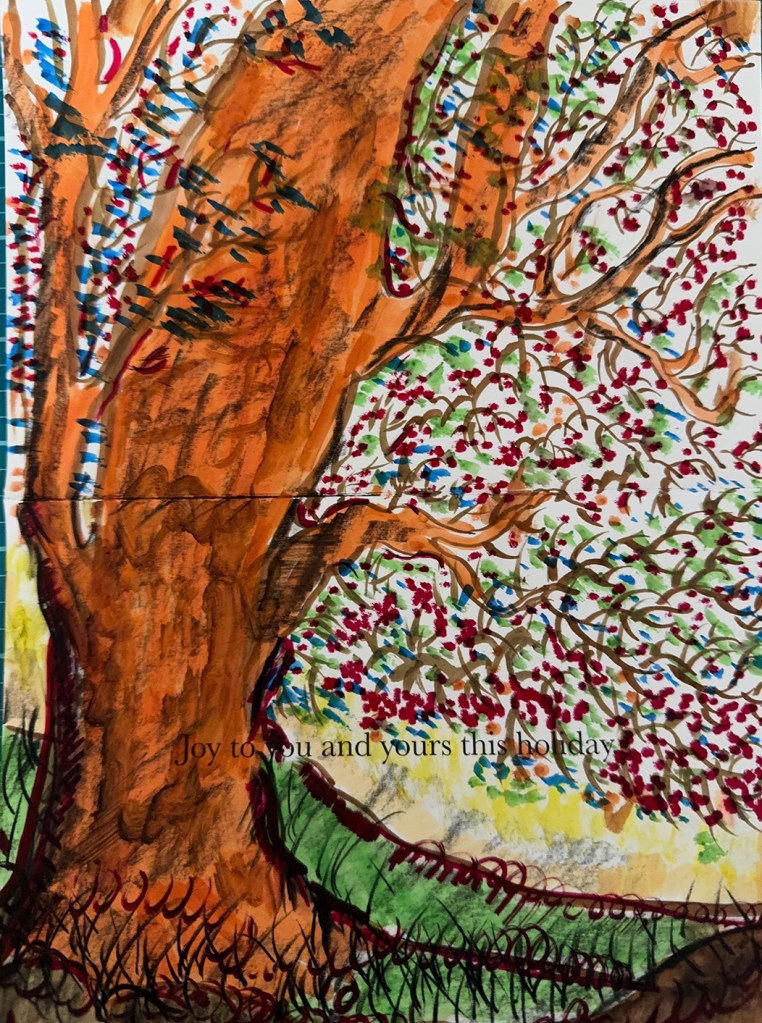
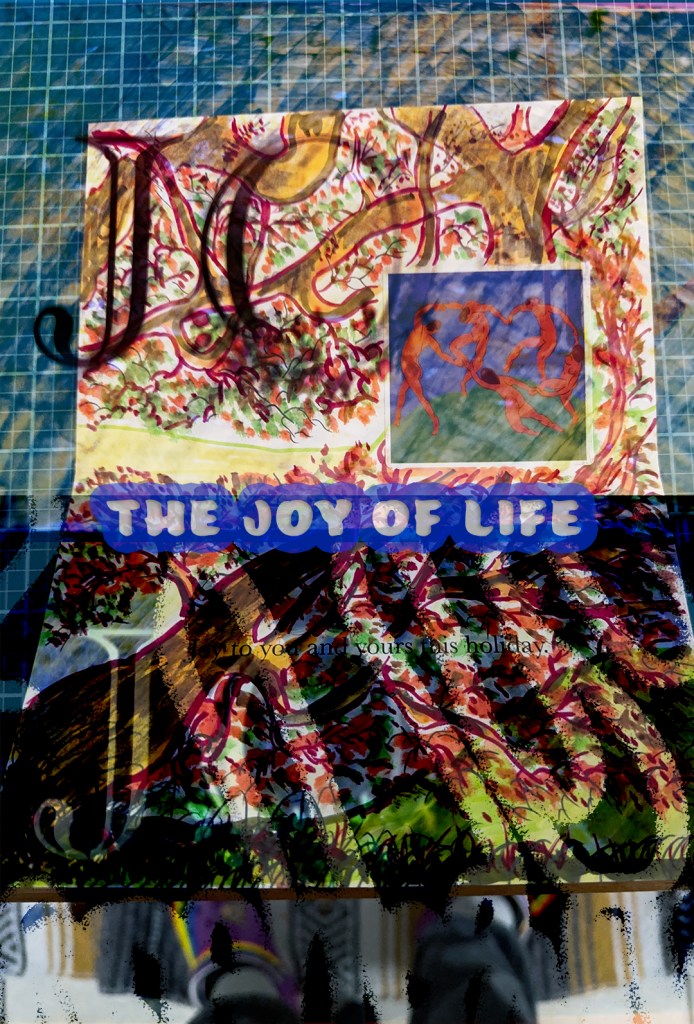
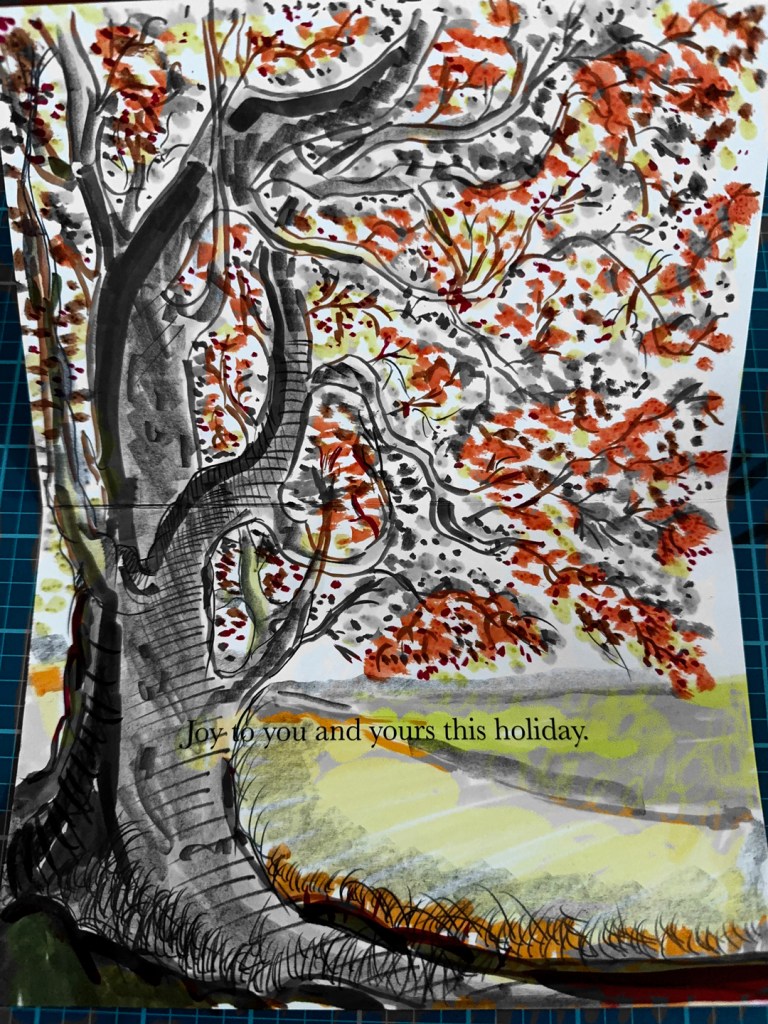
What does it mean to be Postmodern? “The essay aims to discuss Fauvism public and critical reaction from both critic and masses. Alike. Furthermore, on the topic between Modernity vs Postmodernity debate. The author uses modern historical tropes, ie:Fauvism. To describe and explain war as a human endeavor with rooted historical seeds. Creative meaning equal to The Joy of Life, is a series companion digital art motif. Galleries illustrating artworks by conceptual artist Salvador DC. Inspired by Fauvism use of color, style, stroke and impasto majesty. The digital images were created using Photoshop CC, from hand drawn art cards. Delivered to mental frames of mind, that is family and new friends alike. With much love and joy, along the way. In addition, while attempting to connect Fauvism equally with both modern and postmodern sensibilities, in visual form. And in literary philosophy by breaking up the word Christmas into: Christ-Mas as a means to relate the use of power to faith, with deconstruction. As a critical and adversarial model, rooted in contradictory analysis. We are living in Postmodernist times, simply because we dare to look back at history with Logos, Art and Sound, in mind.”

In volume two, we delve deeper towards a rational understanding between art history and political theory. Fauvism inspired digital collages, exploring mix media conceptual art motifs . Drawing historical anecdotes to connect the wild expression seen in Fauvism aesthetic to the irrational human act that is war: WW1, WW2 and beyond (DaDa).

Cultural shifts in technology, science, arts and anthropology. The 20th Century is a coalescing parallel axis point where spiral galactic energy and theory meet, in full circle.

Part One: Historical timelines between 1889 and WW1.
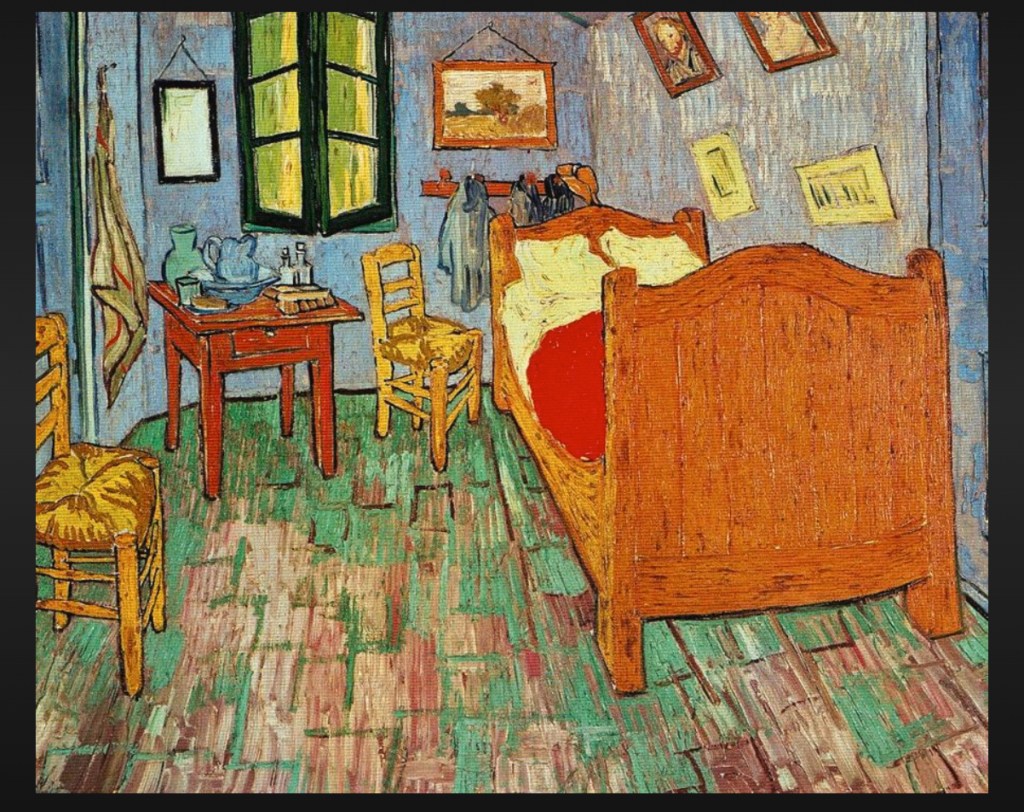
Vincent Van Gogh, the bedroom.
The Bedroom, 1889. By Vincent Van Gogh. The rise and invention of Impasto and thus moving away from Impressionist to Post-impressionism. The artist created these pictures during the last ten years of his life.

Vincent Van Gogh Painting entitled, The Bedroom (1889) employs the artist signature painterly style. Impasto. Expressive, original thick paint applied with quick gestural angst and rapid thick brushstrokes.

Impasto is defined as a historical and inventive framework:

“In contrast to glazing-the methodical building up of thin layers of paint-impasto involves applying the paint thickly and liberally, so that it retains the marks and ridges left by the brush. Most artist enjoy the expressive and textural qualities which impasto lends to a painting, and the buttery consistency of oil paint lends itself well to this technique.

Impasto can be applied with a brush or a painting knife. The paint may be used straight from the the tube, or diluted with a little medium so that it is malleable, yet thick enough to stand apart from the support.”

Artist’s Manual: A complete guide to painting, drawing.

The bedroom is the essential picture to understand how modern art became into existence. In Vincent’s inventing Impasto to Matisse and Derain Fauvist color.

As a matter of fact, we shall attempt to connect these cultural shifts to a larger human interpretation. Finding meaning in justification to War World One to WW2. During both postwar eras, the west used Modern art. As a symbol of freedom and artistic expression. Coupled with interpreting degenerate angst seen by Nihilist regimes in better ways. To the rather more rigid social realism found in early Soviet societies. Modernism is a means to explain chaos theory, from 1900 to 1919. With the end of WW1, the roaring 20s for Germany. Was a symbol of deplorable deconstruction, instead of elitism, growth and power.

Attempting to recreate these historical perspectives with our Postmodernist literary/art gallery display, to show and tell. Finding meaning in the act of creation, as a means to cope with realities on the ground. For the love behind our biological Pearl Harbor, these Nihilist. Must understand our intellectual discourse.

“For subject matter they turned to portraiture, still life, and landscape, but in the latter, at least in the art of Matisse, they revisualized Impressionism culture of leisure as a pagan ideal of the joy of life. Most important of all, the fauvist painters committed themselves to pictorial autonomy, which yielded an art delicately poised between expression derived from emotional, subjective experience stimulated by pure optical sensation.”

–History of Modern Art

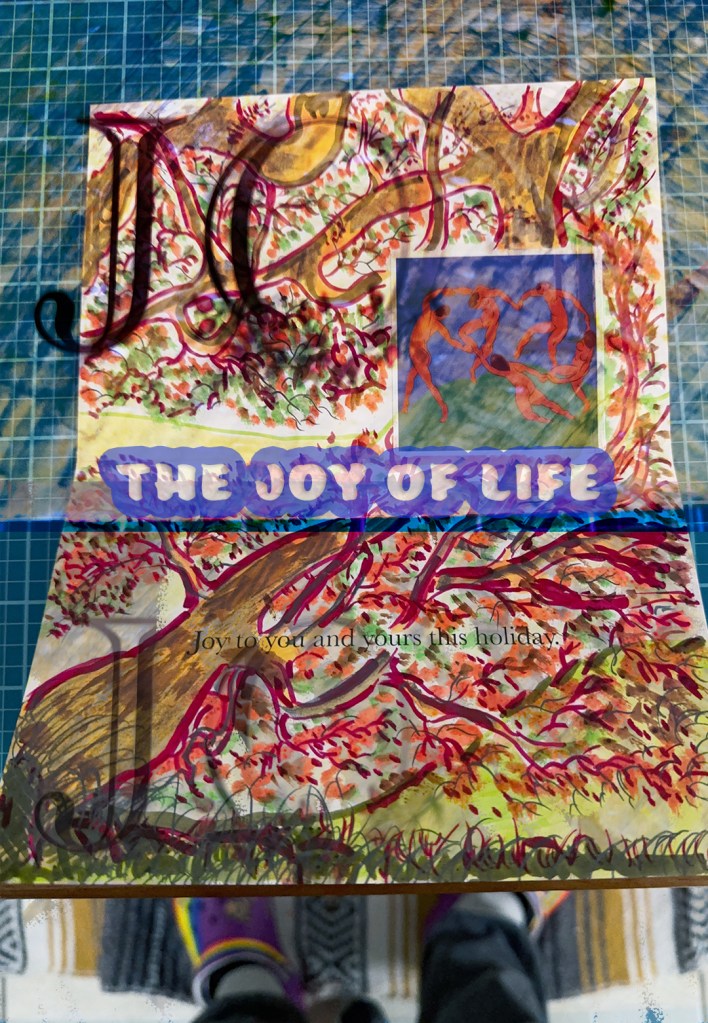
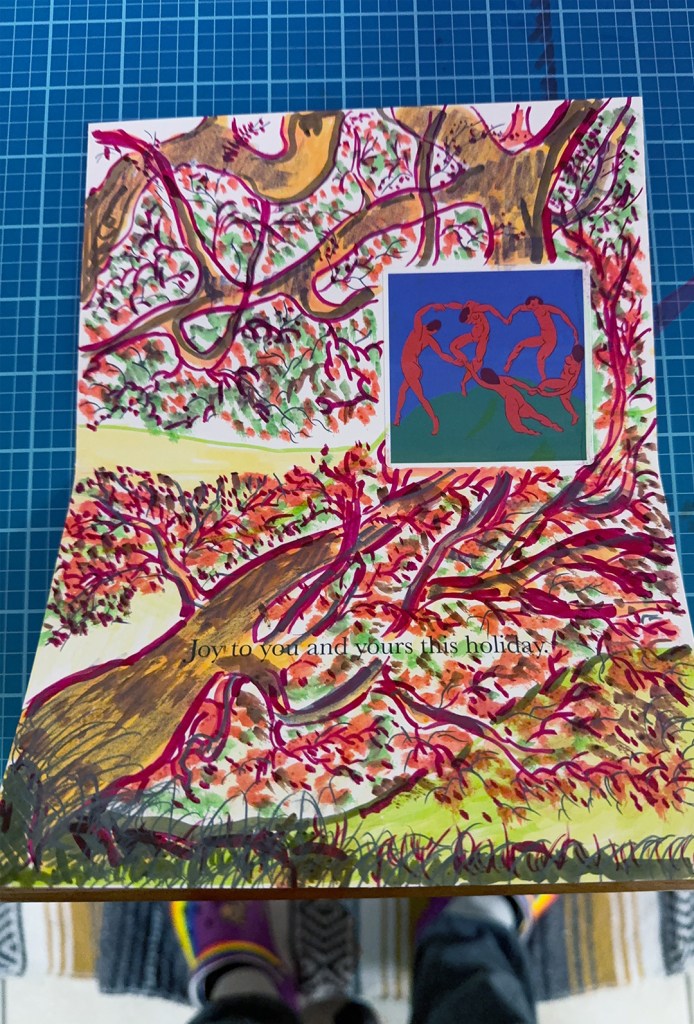
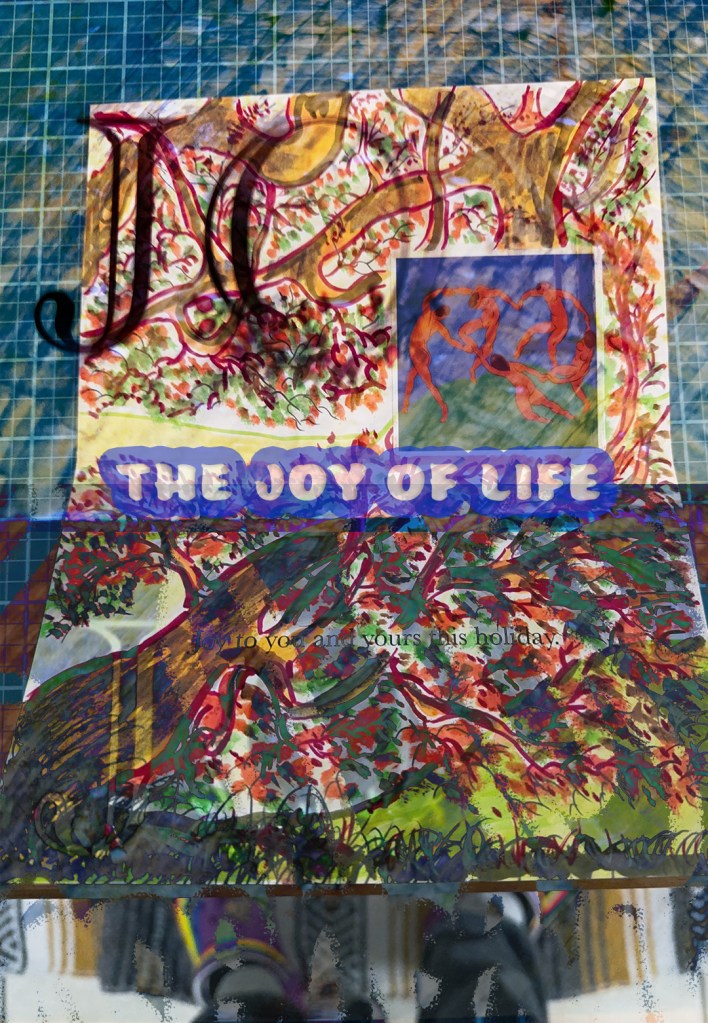
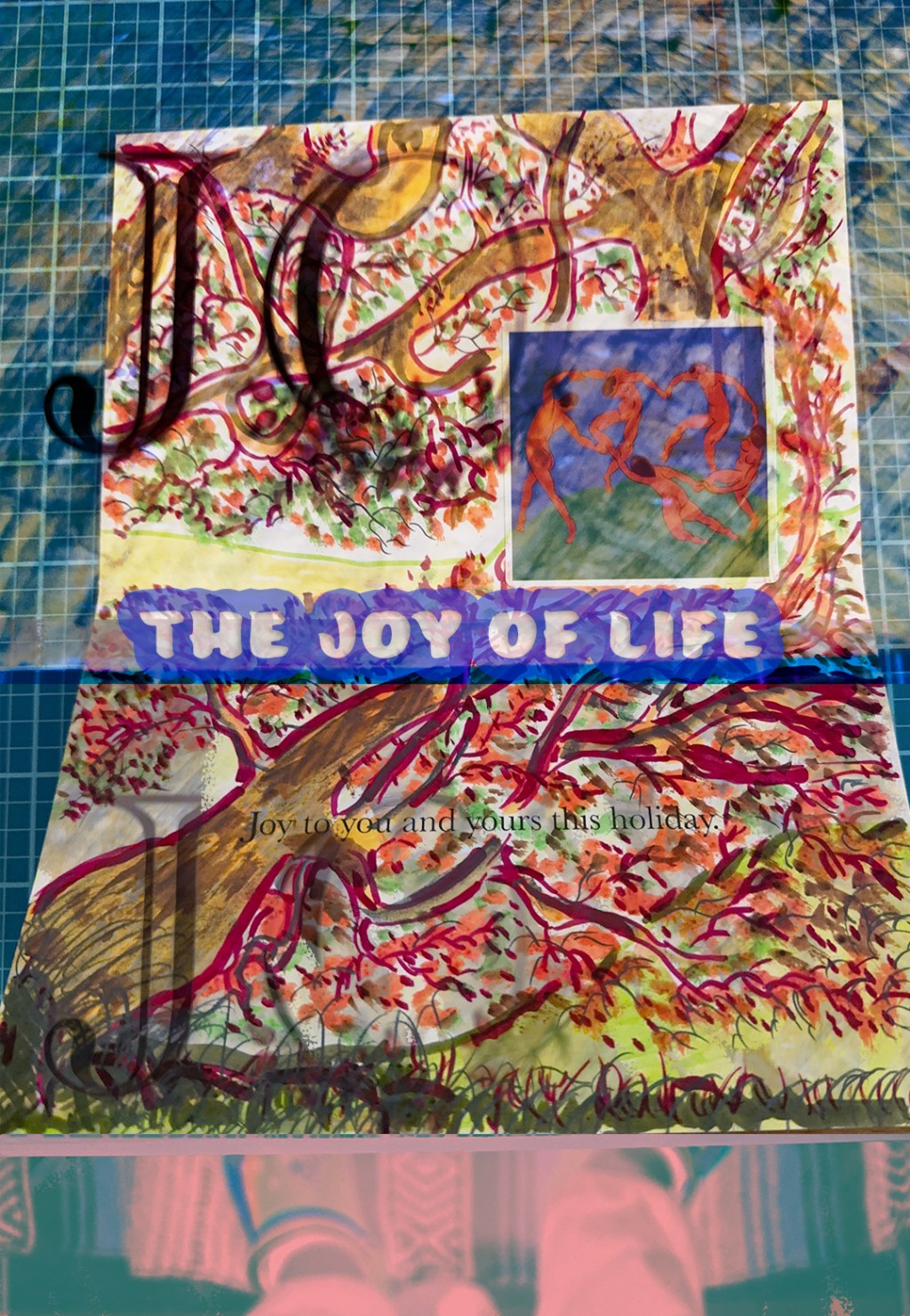
The Joy of Life: Landscape Art Gallery

By Conceptual Artist, Salvador DC.

Gallery Titled: The Joy of Trade & Arts.

Digital Mix Media on Paper Series: December 2024.
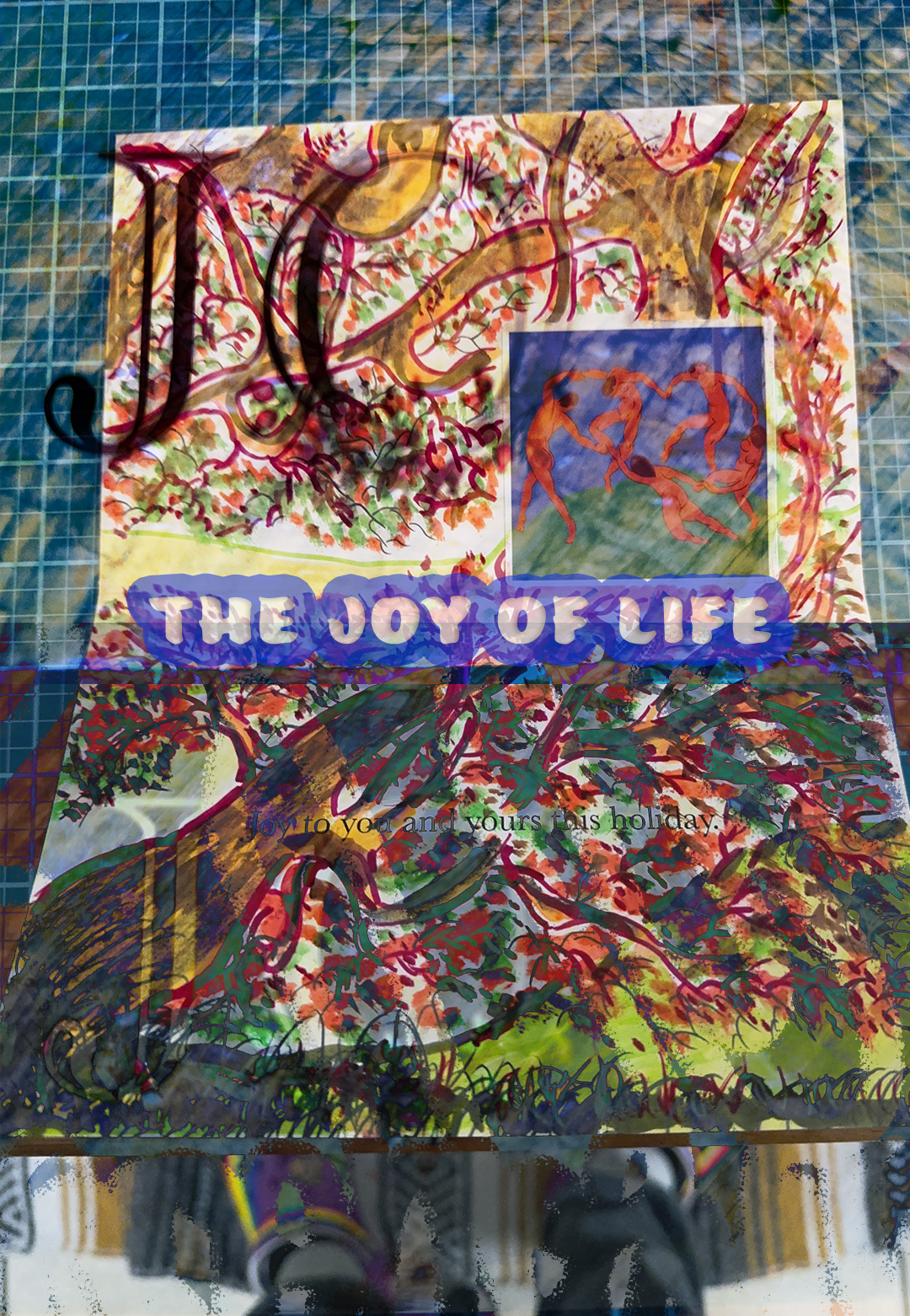
The rise of Modernity was rather difficult to illustrate. Using traditional and academic painterly, sculptural manner. With scientific breakthroughs, such as the invention of Photography. Between Vincent’s impasto expression and the corporeal, Modernity began to reflect itself.

Technological advances in photographic dark room techniques, the steam engine and the Model-3. Freed painting into a brand new flat surface. Called, freedom. Thus reinventing painting after nearly 500 plus years of illustrating and patronage for the sake of commission, instead of art.
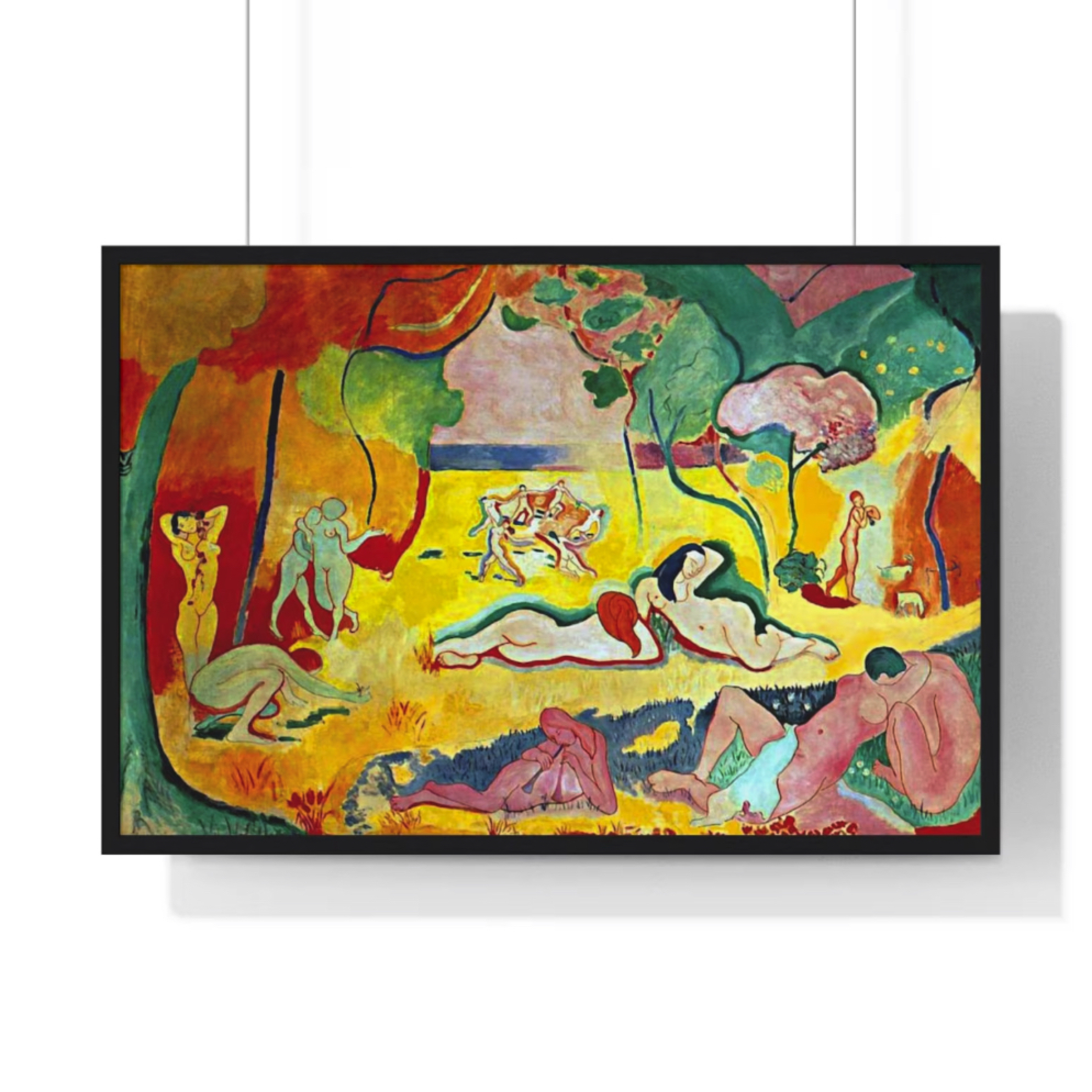
The Joy of Life, By Henry Matisse, 1906.

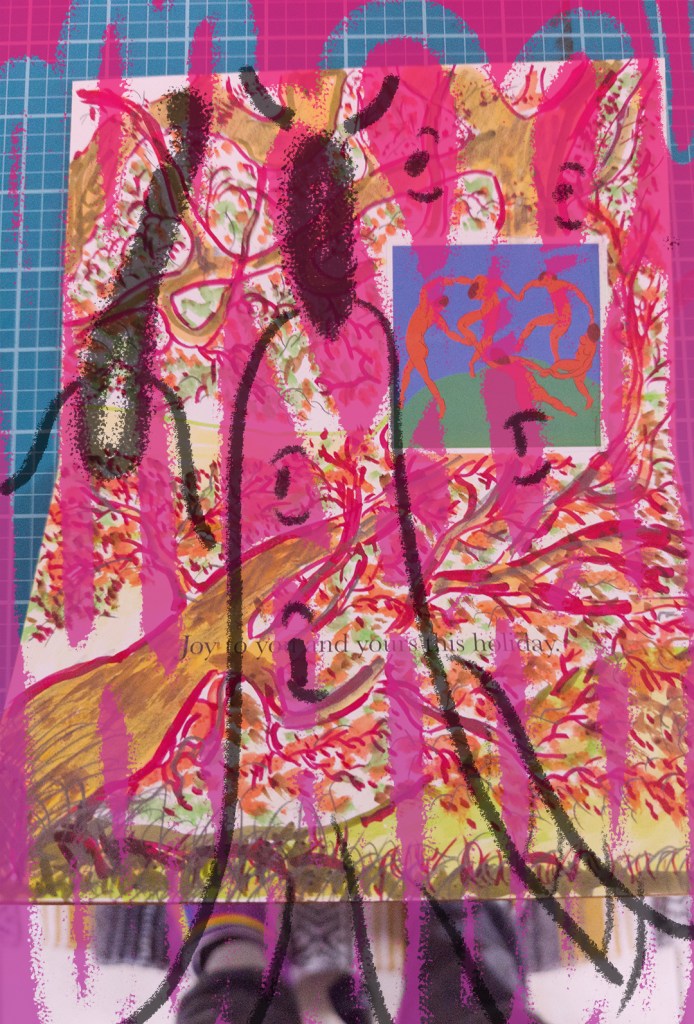
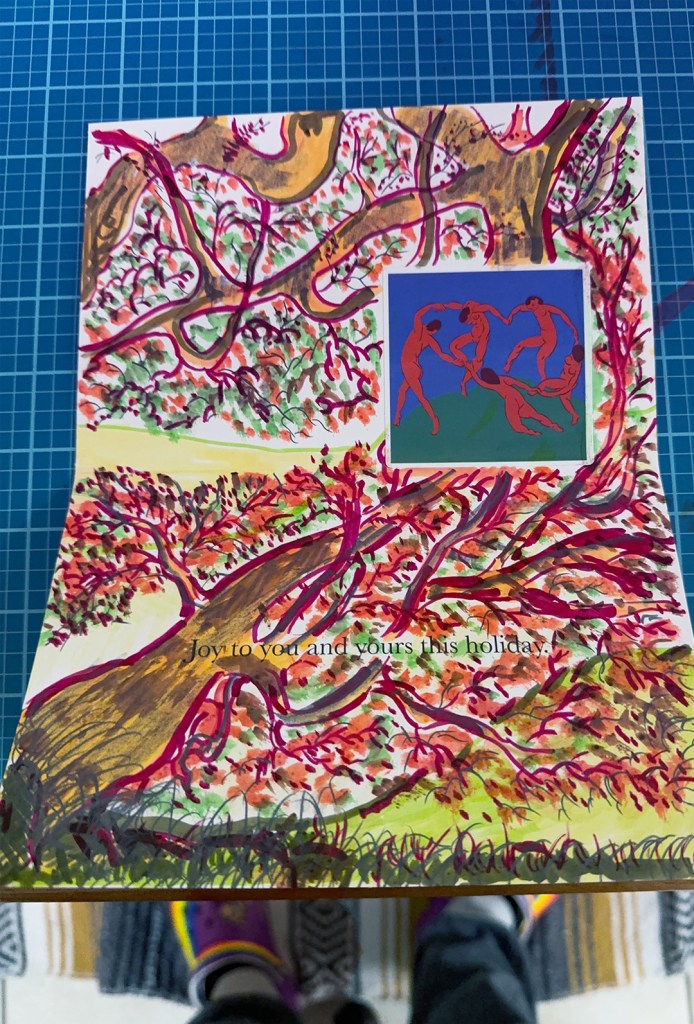
First, photography could replicate nature ahead of any human brush, Second, allowing Vincent Post-Impressionist impasto brushstroke color. (Red, Yellow, Brown, Burn Umber, Crimson Red, Yellow Ochre and Jade) to pop into being. Third, is to try and understand how the act of creating these art cards, gives meaning to purpose. Using digital to analog interpretations to spring forth.

Thus, allowing the meaning behind how to live in Post-modernist frames of mind. The beyond, in bed and bodyworks attempts to understand certain political moods. Post -2016 to present.

Perhaps describing geopolitical conflict with China, using ways and means, logo based ideals. Nihilism has become our adversarial foe, beyond TPP. Thus, the fight to save our intellectual property, beyond China Town, has begun.
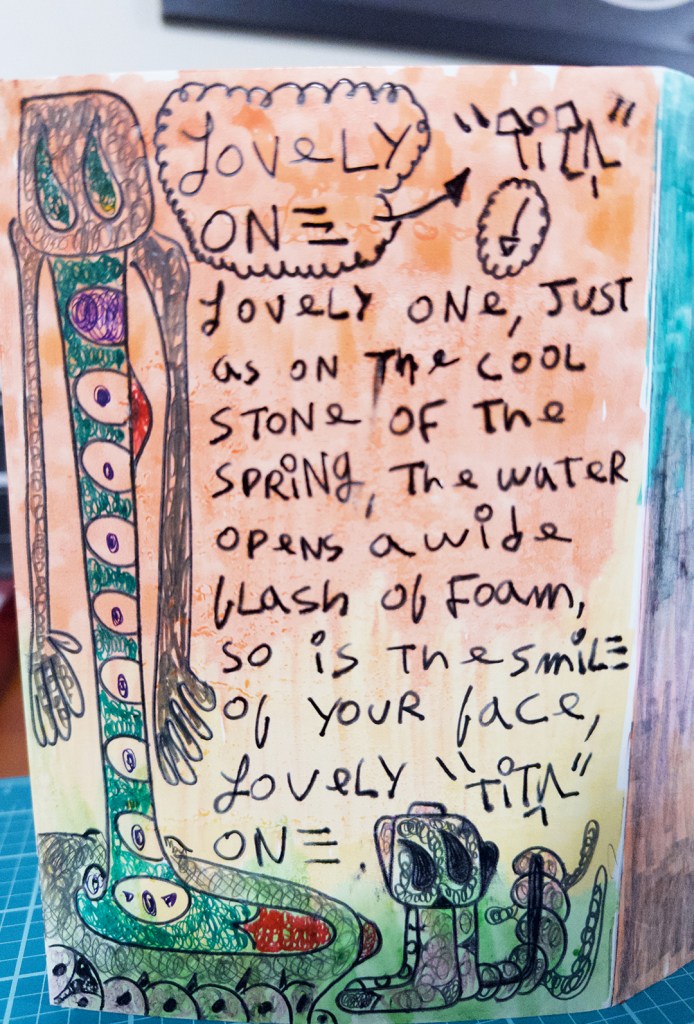
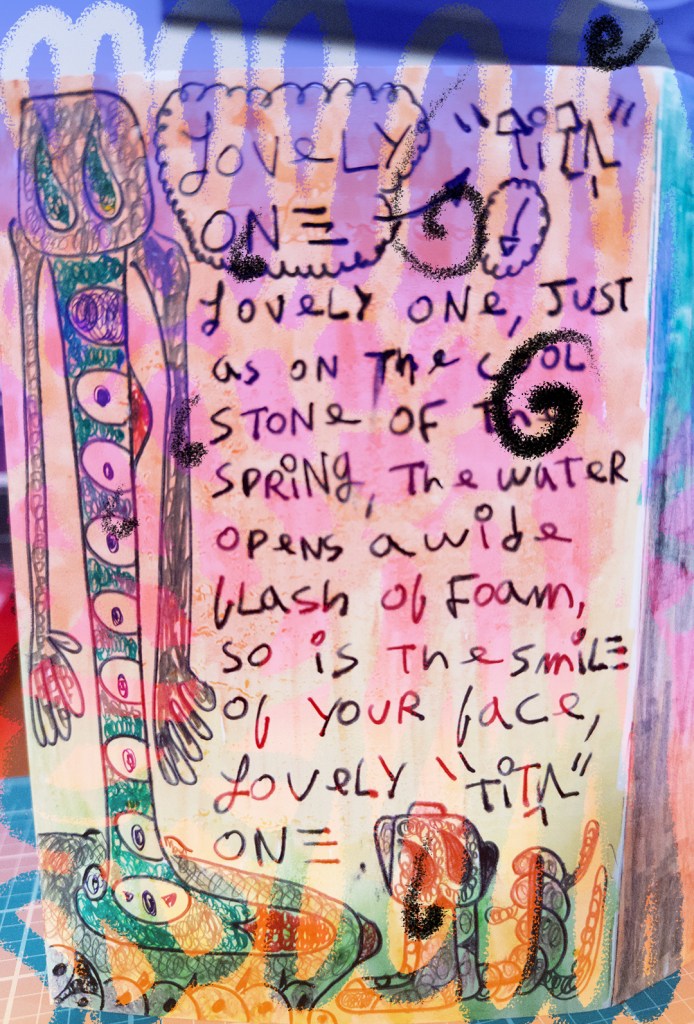
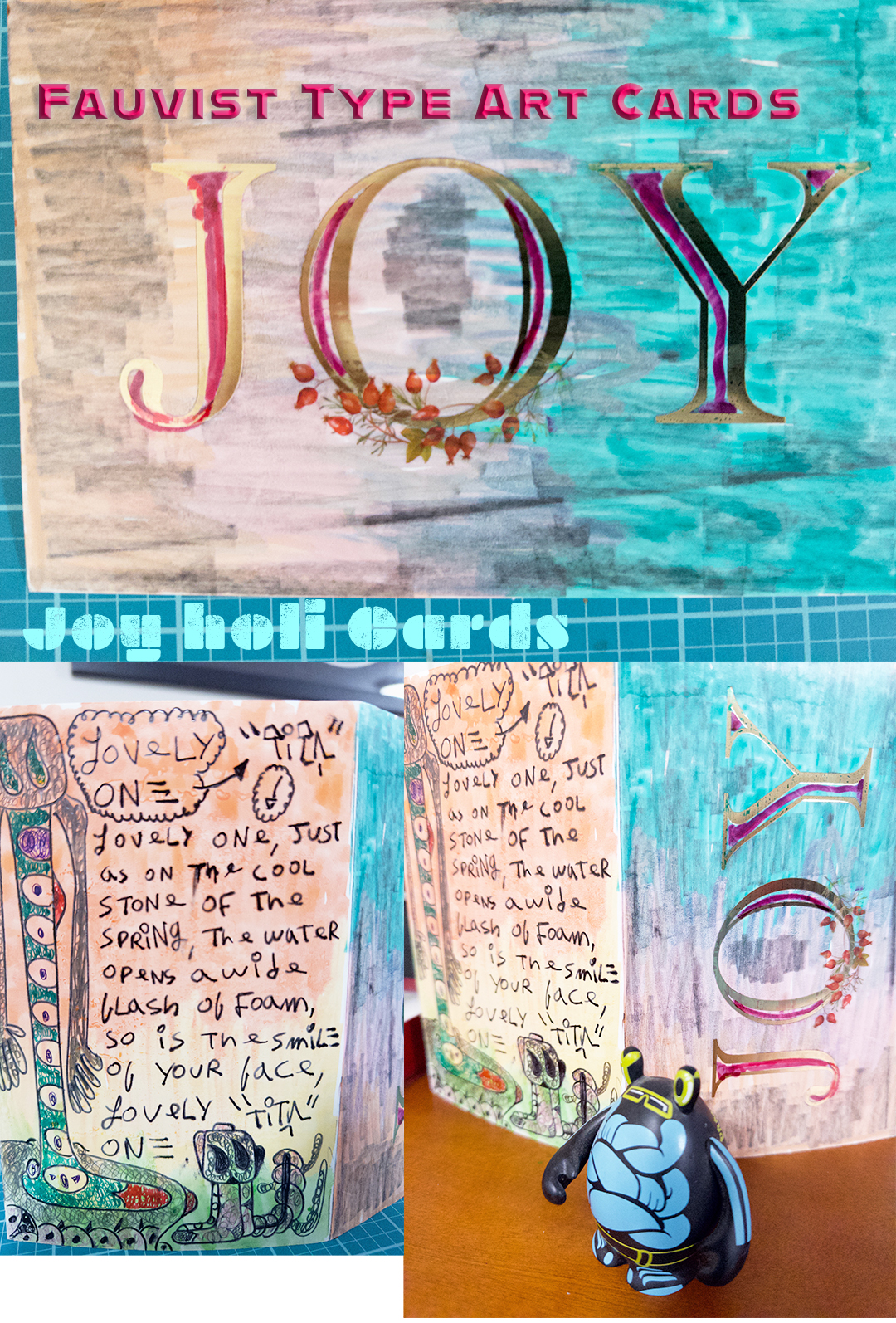
Gallery Detail Snaps, instead of Tok’s:

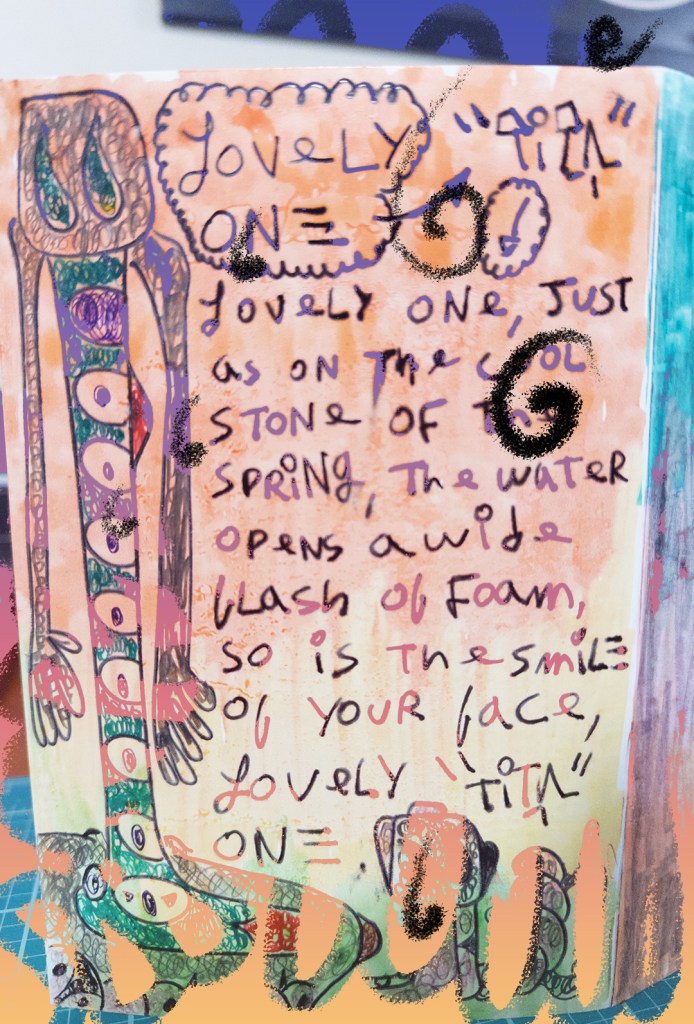
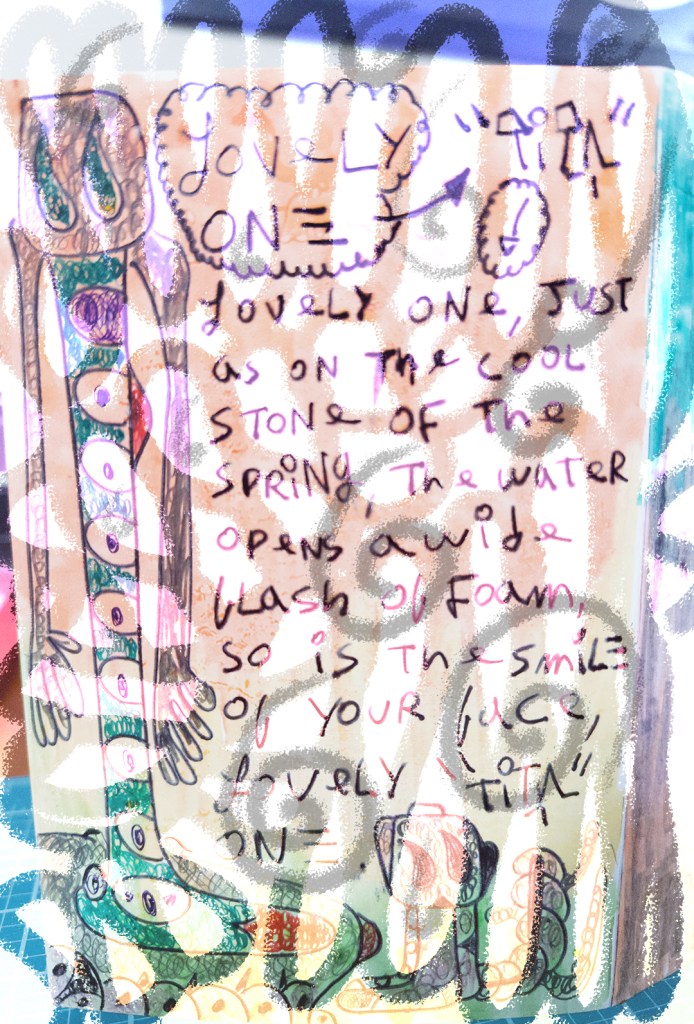
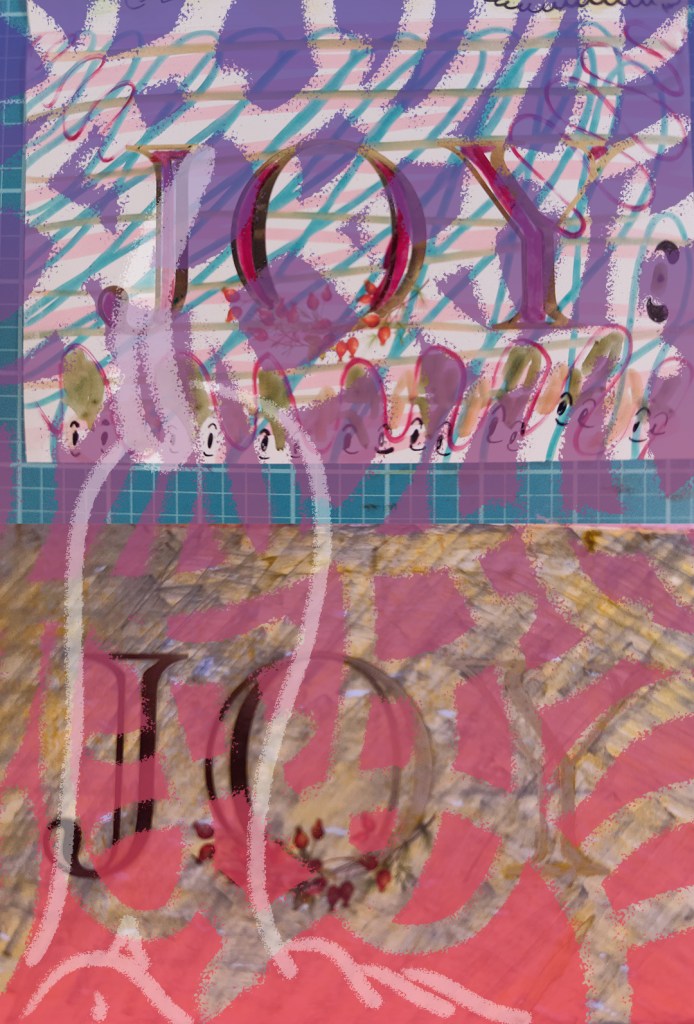
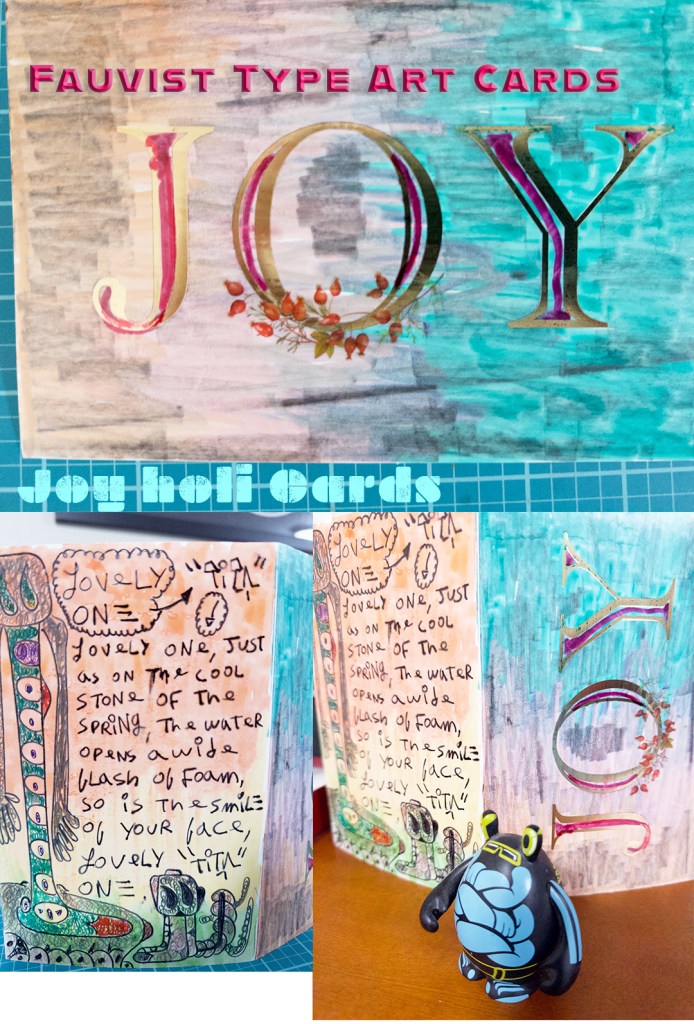
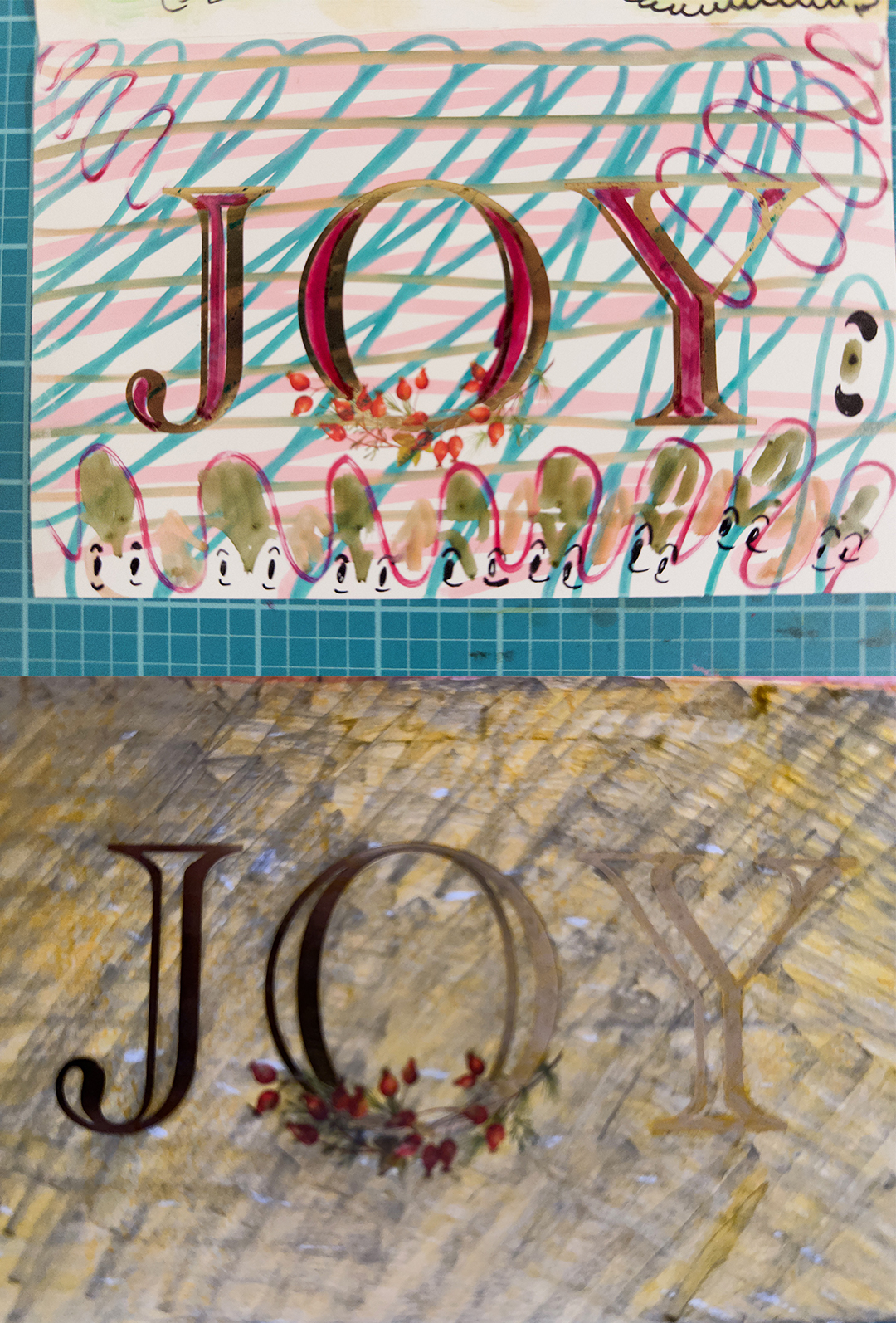
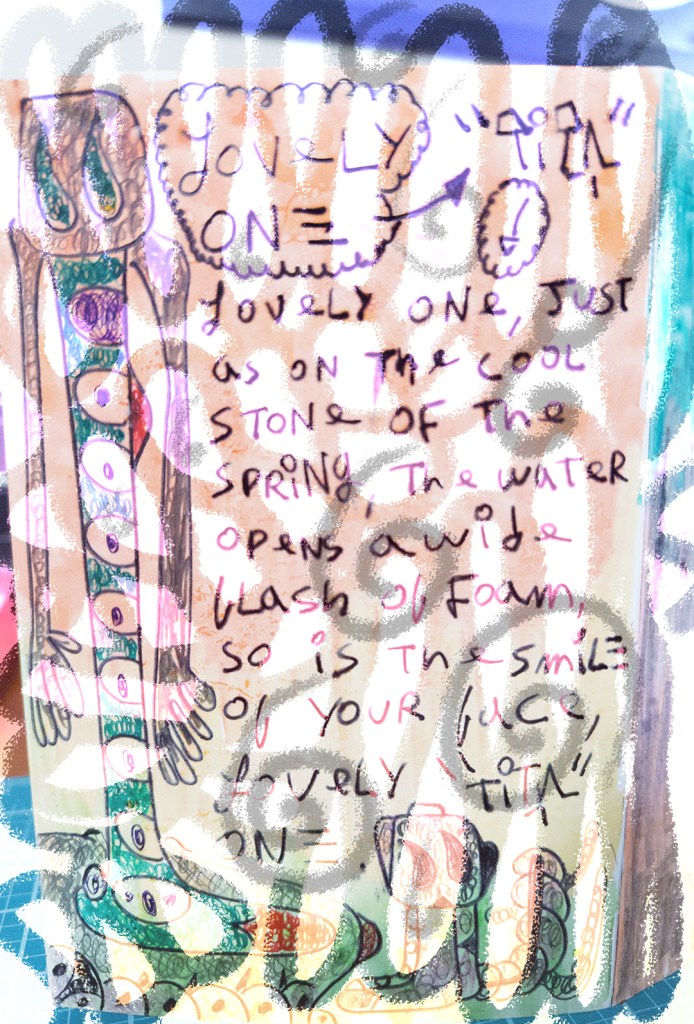
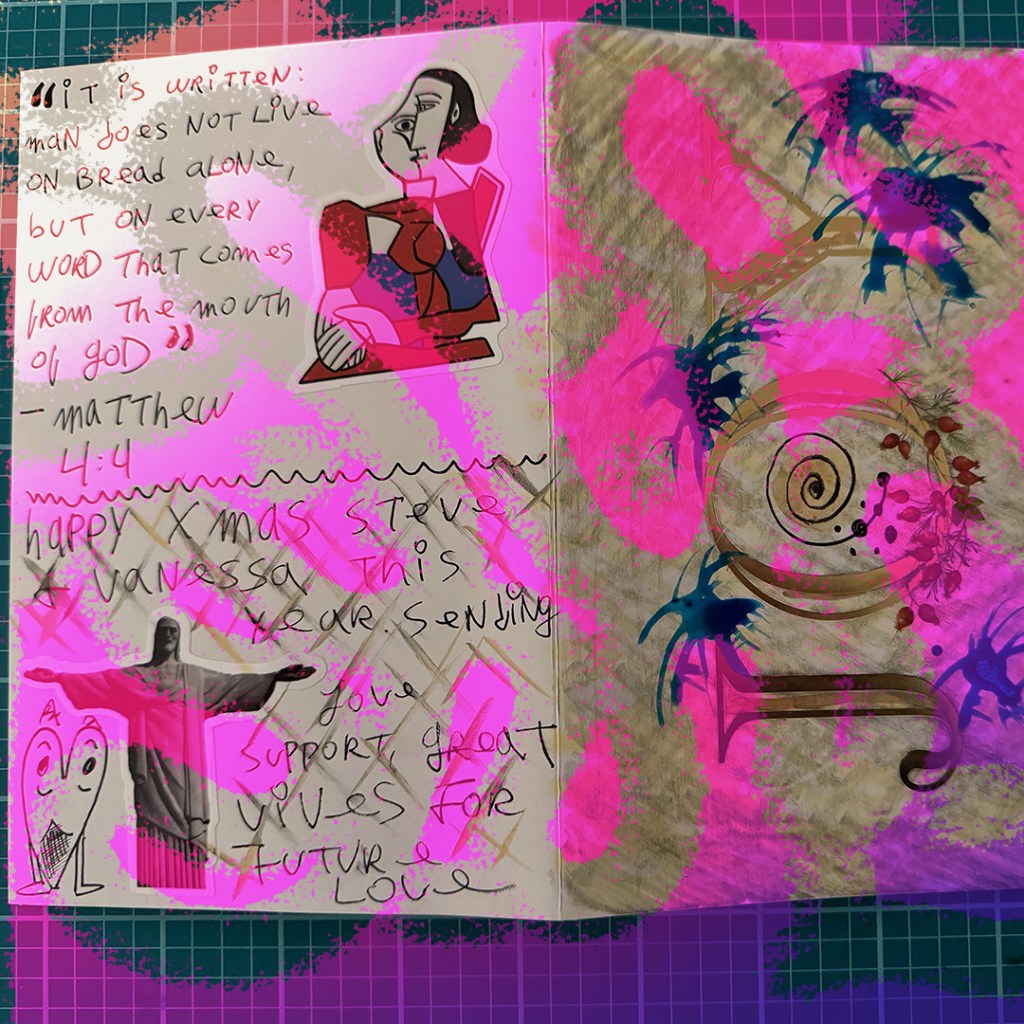
Fauvist Type Art Cards
Title:001 Composition
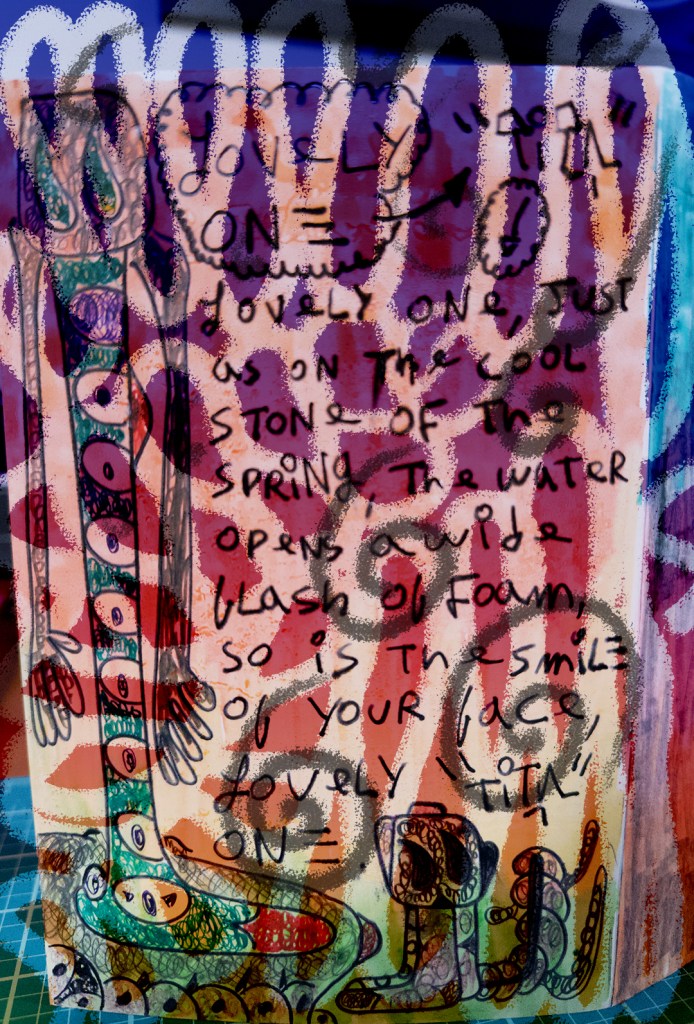
Title: 002 Composition
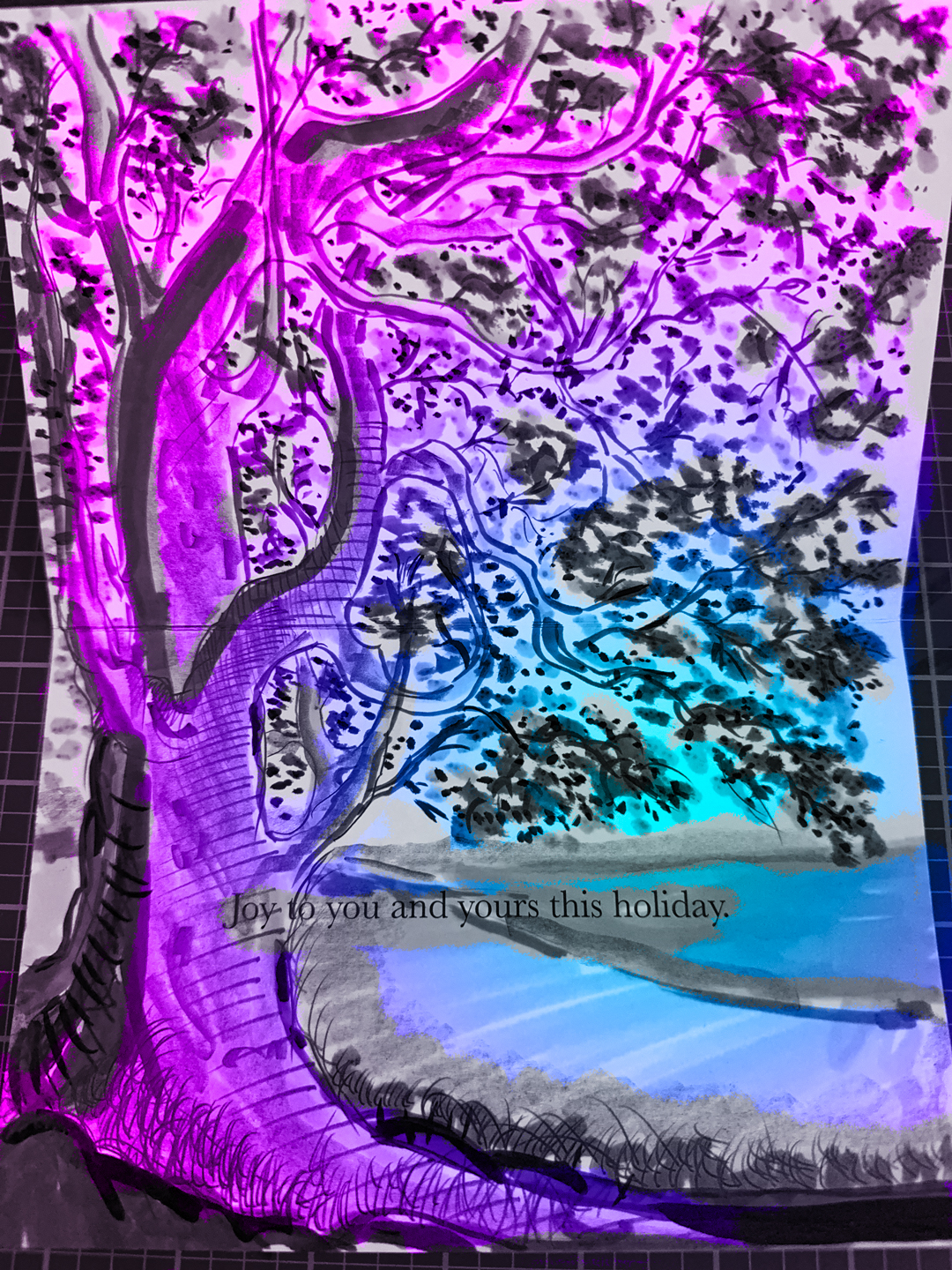
Title:004 Composition
What is TPP? from our dear friends at Wikipedia: The Trans-Pacific Partnership (TPP), or Trans-Pacific Partnership Agreement (TPPA), was a proposed trade agreement between 12 Pacific Rim economies: AustraliaBruneiCanadaChileJapanMalaysiaMexicoNew ZealandPeruSingaporeVietnam, and the United States. In the United States, the proposal was signed on 4 February 2016 but not ratified as a result of significant domestic political opposition.[5] After taking office, the newly elected President Donald Trump formally withdrew the United States from TPP in January 2017,[6] therefore ensuring the TPP could not be ratified as required and did not enter into force. The remaining countries negotiated a new trade agreement called: Arts Journal sees TPP as one of many deterrent policies against the rise of Nihilist China. While China is not allowed to trade under TPP specific trade policies, Tariffs may also need to continue in 2025. Comprehensive and Progressive Agreement for Trans-Pacific Partnership, which incorporated most of the provisions of the TPP and which entered into force on 30 December 2018.
The TPP began as an expansion of the Trans-Pacific Strategic Economic Partnership Agreement (TPSEP or P4) signed by Brunei, Chile, New Zealand and Singapore in 2005. Beginning in 2008, additional countries joined the discussion for a broader agreement: Australia, Canada, Japan, Malaysia, Mexico, Peru, the United States, and Vietnam, bringing the negotiating countries to twelve. In January 2017, the United States withdrew from the agreement.[7] The other 11 TPP countries agreed in May 2017 to revive it[8][9] and reached agreement in January 2018. In March 2018, the 11 countries signed the revised version of the agreement, called Comprehensive and Progressive Agreement for Trans-Pacific Partnership.[10] After ratification by six of them (Australia, Canada, Japan, Mexico, New Zealand and Singapore), the agreement came into force for those countries on 30 December 2018. The original TPP contained measures to lower both non-tariff and tariff barriers to trade,[11] and establish an investor-state dispute settlement (ISDS) mechanism.[12] The U.S. International Trade Commission,[13] 

The Peterson Institute for International Economics, the World Bank and the Office of the Chief Economist at Global Affairs Canada stated that the final agreement, if ratified, would have led to net positive economic outcomes for all signatories.[Note 1] Many observers at the time said the trade deal would also have served a geopolitical purpose, namely to reduce the signatories’ dependence on Chinese trade and bring the signatories closer to the United States.[22][23][24][25]

In volume 3, the author will further discuss how the rise of China militarism, the South China Sea and in science and technology. Have pushed the West to confront new realities that are tied between war and peace. Is the rise of Nihilism friends, not the end.


Fauvism Inspired Landscape Gallery
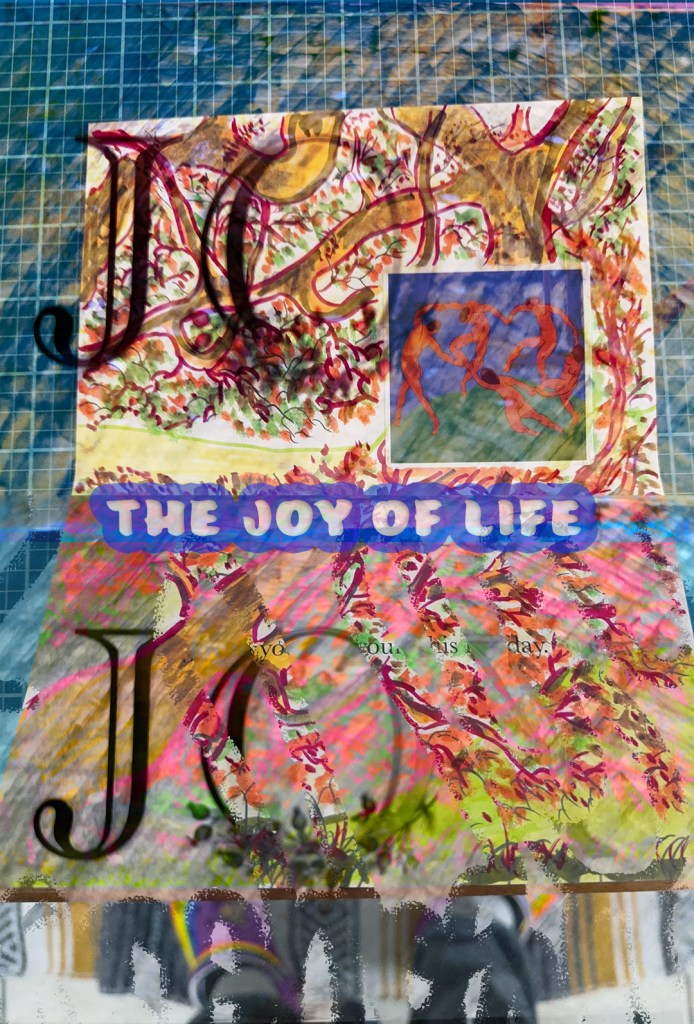
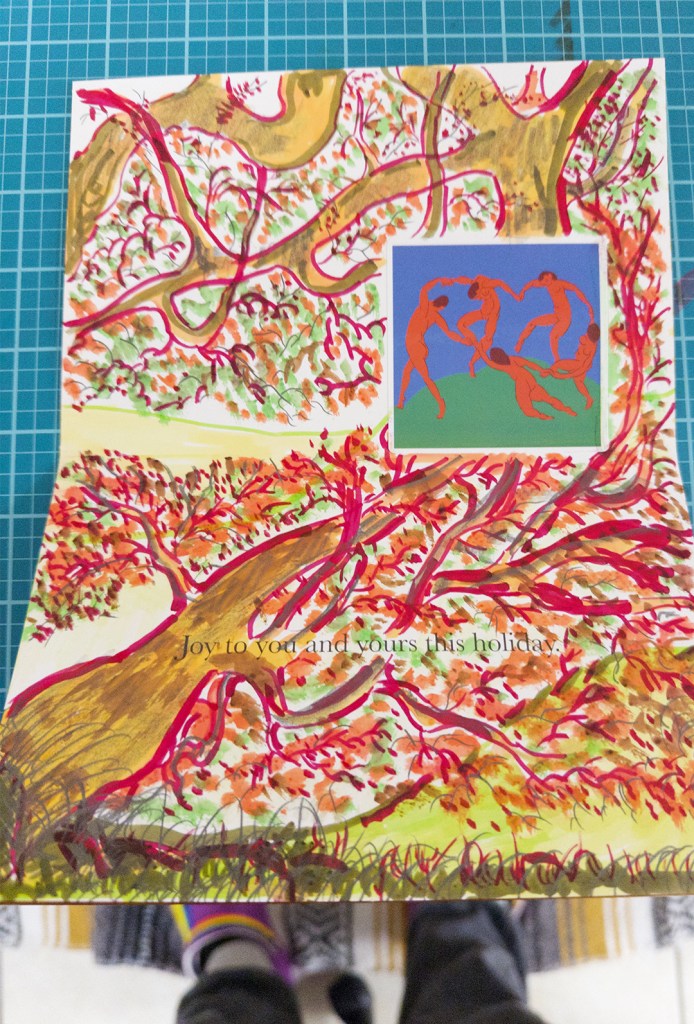
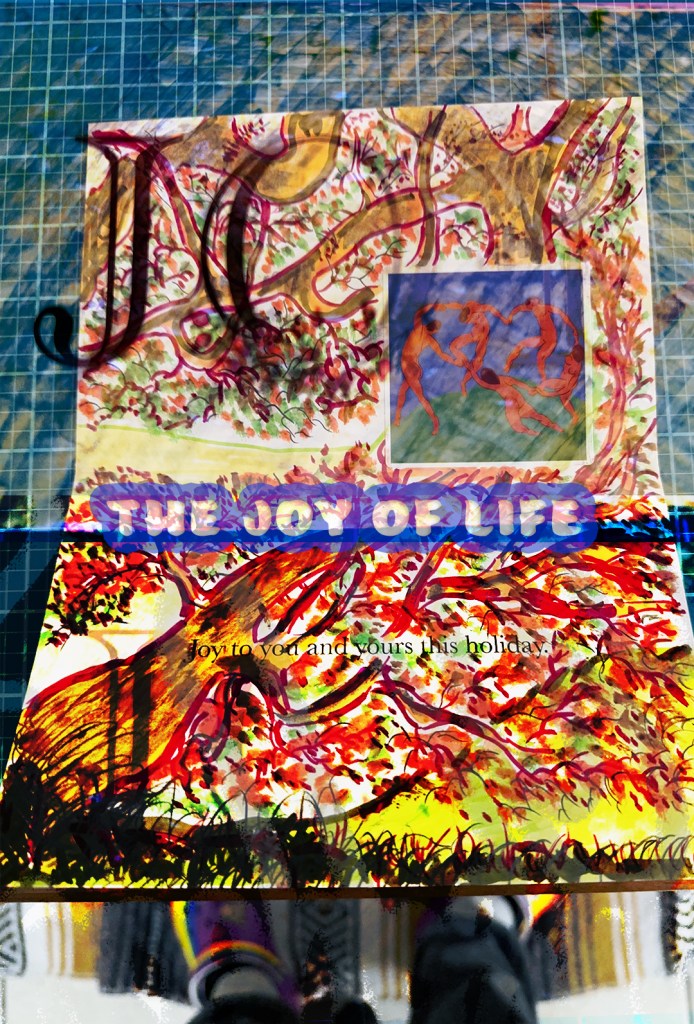
Title: The Joy of Life, by Salvador DC. Digital Art Series Motifs.

Part Two: Fauvism as a Prelude To WW1: View Gallery


Discover more from Arts Journal Zine

Subscribe to get the latest posts sent to your email.


Comments

8 responses to “Christ-Mas: Volume 2”

  1. This blog post is a fascinating exploration of Nihilism and its resurgence in China through the lens of art history and philosophy. I appreciate the depth of analysis and connections drawn between Fauvism and Postmodernism. How do you see the concept of Nihilism evolving within contemporary Chinese society and its impact on artistic expression?

    1. Thank you for your comments on our Arts Journal Zine. Chinese political society, in my humble opinion sees itself as Capitalist for external sources. While remaining communist for the flock, inside China. Communism has always historically tried to denied artistic expression for social realism, instead of embracing modern art. China’s Nihilism can be best understood via it’s theft of intellectual properly. Whilst the US tries to compete with China’s military, AI, biological and space races, alike. As Americans we must brace ourselves for competitive challenges, both abroad and inland.

      1. China concerns me. As an Australian, we are a bit closer to the problem than you in the USA. It seems that their population may not be as big as they have reported and the demographic is rapidly aging. In my opinion, that makes them more dangerous.

      2. Dear subscriber, can you tell me how the political system works in Australia? Do you have conservative parties as or liberal or both. Can you share reports of your demographic analysis. Cheers and stay safe, down under.

      3. We are essentially a Democracy although there are forces attempting to make us a Socialist country, the dummies. The two major parties are Liberal-National Coalition (Right-wing conservative), and Labor (Left-wing socialist). There is a minor party who want to screw everything up, Greens (Marxist morons). There is always a smattering of minor parties mostly with a Left-wing bent. In surface area Australia is about the same size as the USA, but the total population is roughly equivalent to New York City. Most of the population lives along the Eastern Coast which makes the remainder of the country look extremely empty, which it is, but it is also difficult terrain to live in due mainly to a lack of rain.

      4. Thank you. Most folks in your neck of the woods are coalescing around city life, nor rural areas. Wishing you well on your neck of the woods.

  2. […] “protestine” is an invented word. Ie: Describing faith-based groups with protestant Christ to China operational essay […]

Leave a comment

Discover more from Arts Journal Zine

Subscribe now to keep reading and get access to the full archive.

Continue reading

Why are you reporting this comment?

Report type