
From 1946 to 2025: “Spin in Peace”
Essay Read Time: 19min
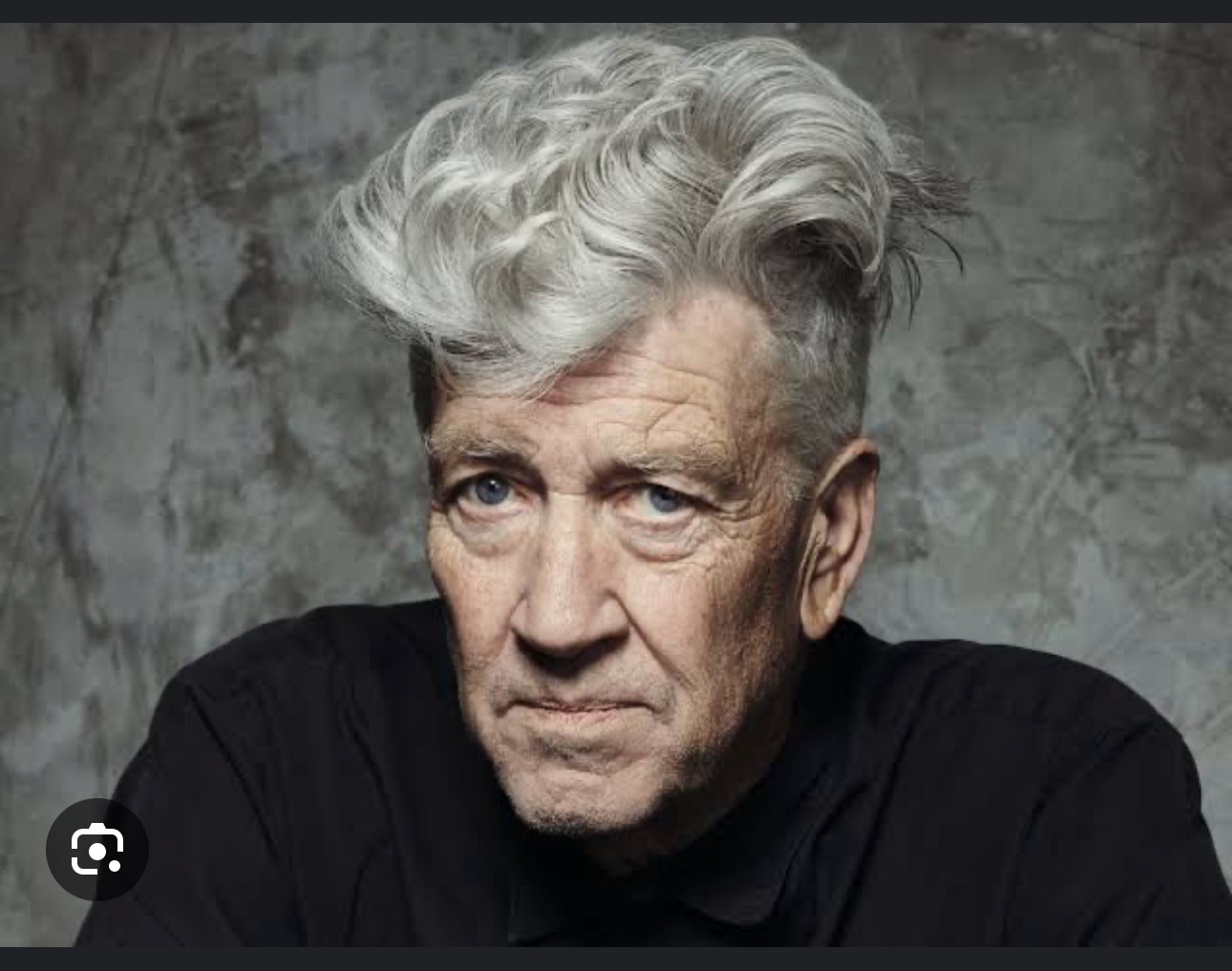
David Lynch was a visionary film director, painter, poet and writer. Leaving behind nearly four volumes, decades worth of an immersive body of work. The 78 year old creative, has died (January 16th 2025) after after announcing an emphysema diagnosis. Sadly departing the Earth, in more ways one can imagine. He will be missed as the most innovative and surrealist director of the 20th Century.
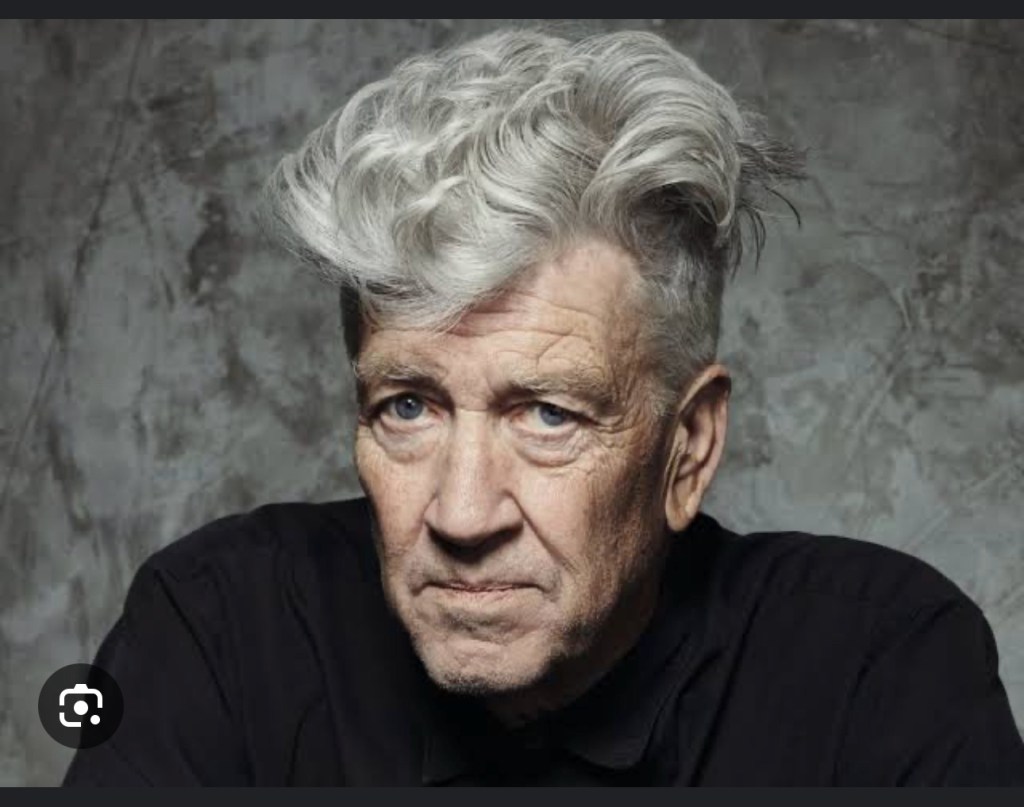
Surrealist Visionary Film Maker
Personally, my top five films are amongst my favorite, for their uncanny cinematography delivery. I saw these films at the Quad Cinema, NYC during my formative years. This was between 1998 and 2002. I am delighted to share my thoughts. The artist, thus spoke to us on the topic behind film, score, composition and cinematography inspiration.
- Blue Velvet
- Mulholland Drive
- Lost Highways
- Eraserhead
- Twin Peaks
Furthermore, I want to emphasize why Surrealism is an important art movement to learn. To digest and give value, while understanding Lynch’s Mise-en-Scene. Both Surrealism and film where invented during the roaring 20’s.
A time of Gatsby, prohibition and economic excess, (right before the crash in 1929) other than in Germany. The world seem to have it all, between double exposure film motifs. Seen on screen with the debut of Battleship Potemkin. Not to mention Salvador Dali Surrealist masterworks in painting to set the proper historical and influential scene. The roaring 20’s indeed is seen though the lens of understanding Surrealism. Allowing time and tempo to appreciate David Lynch work, in our 21st Century discourse.
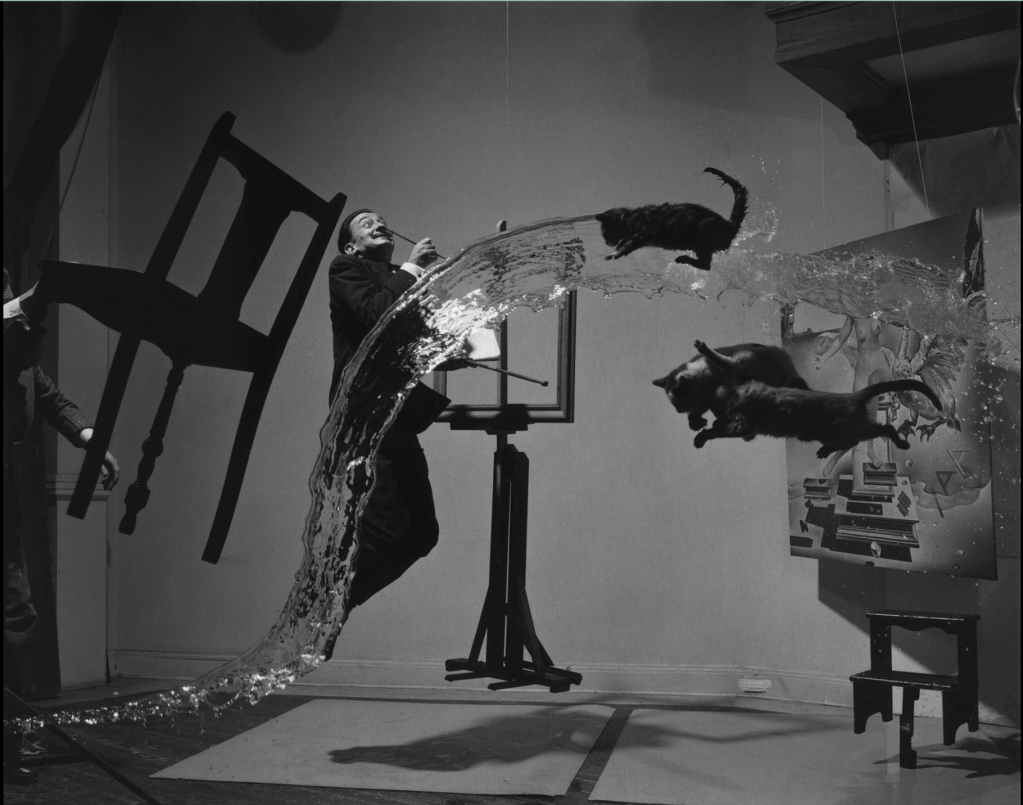
David Lynch dreamy cinematography lends itself well to allegorical narratives and the interpretation of dreams. In visual art, Surrealism is about interpreting Freud’s concepts. Lynch, a painter himself would have understood how to compose the art of film making with cinematic clairvoyance.
Surrealism on the other hand, attempts to illustrate two idealistic frameworks: Psychiatric literature with visual art that is meant to distill Freud’s interpretation of dreams.
The literary side encompasses works by Andre Breton and Georges Bataille. On the visual side (gallery below) of things works by: Dali, Max Ernst and Hans Bellmer. These surrealist artist and writers are inspirational muses. Often employing dreamy and obscure visual art aesthetic.
Surrealism attempts to illustrate Freud’s ideas by interpreting unconscious experiences. Contrary, Lynch is trying to develop a body of work in like manner to uncanny topic matter that beckons back to Surrealist interpretation. How is the Uncanny revealed, in film?
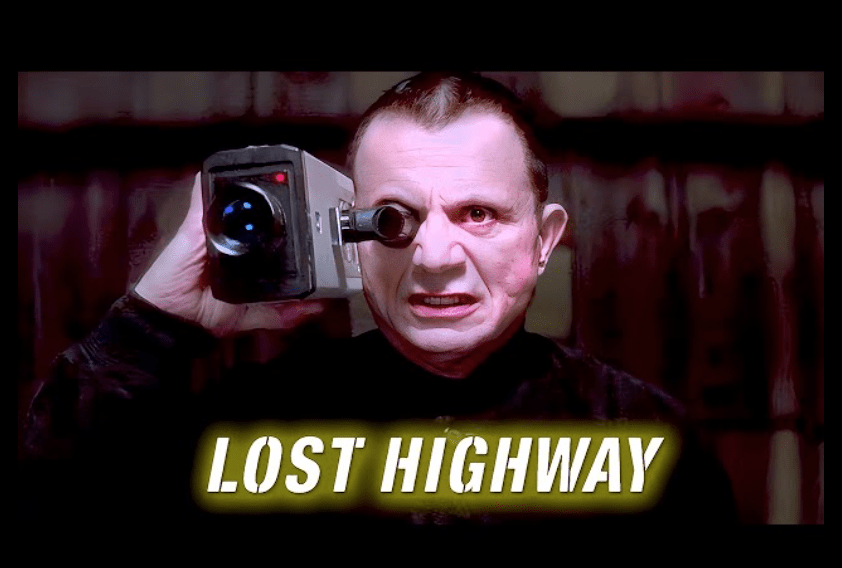
The Uncanny, is revealed by setting the proper scene. “Mise-en-Scene”
Contrary to surrealism nevertheless, Lynch attempts to collage surrealist visual style by combining score, double exposure, horror and elements relating to erotic voyeurism. Into a cinematic composition that is both masterful and crafted, well.
Lost Highways delivers action, horror and eroticism with cinematic dreamlike montages.
“From this inventory of imagery, Lynch fashions two separate but intersecting stories, one about a jazz musician (Bill Pullman), tortured by the notion that his wife is having an affair, who suddenly finds himself accused of her murder.
The other is a young mechanic (Balthazar Getty) drawn into a web of deceit by a temptress who is cheating on her gangster boyfriend. These two tales are linked by the fact that the women in both are played by the same actress” (Patricia Arquette)
–Source: Wikipedia
Underplaying, dramatic and “bodaciously” authentic is Patricia Arquette. I dare invent a brand new adjective onto the English language: “Bodaciously” (Pronounced: Boda-Ciou-Sly) is to describe talent, beauty and charisma. Taken from Surrealist interpretation to the art of film, seen thought the works of David Lynch. In film and art he dared to be unrelenting while finding ways to work with big Hollywood studios.
In Film & Art: David Lynch Gallery
The gallery is meant to illustrate both visual story guideline and reference footnotes. Along with the essay, the author wishes to instill both educational and cultural perspective. On the topic about film criticism and remembering one of my heroes, in film and art.

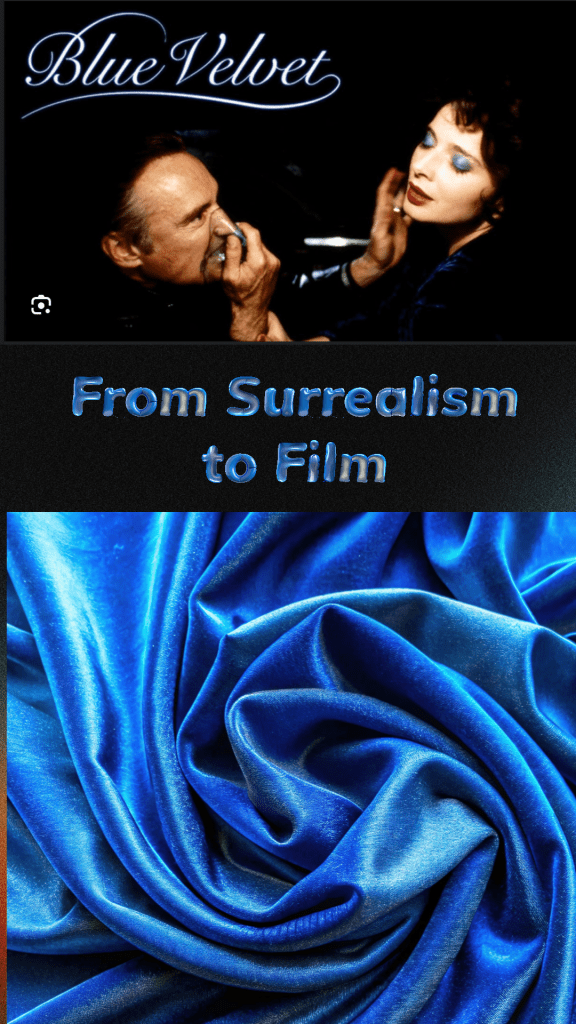
Blue Velvet: “College student Jeffrey Beaumont (Kyle MacLachlan) returns home after his father has a stroke. When he discovers a severed ear in an abandoned field, Beaumont teams up with detective’s daughter Sandy Williams (Laura Dern) to solve the mystery”
–Source: Wikipedia
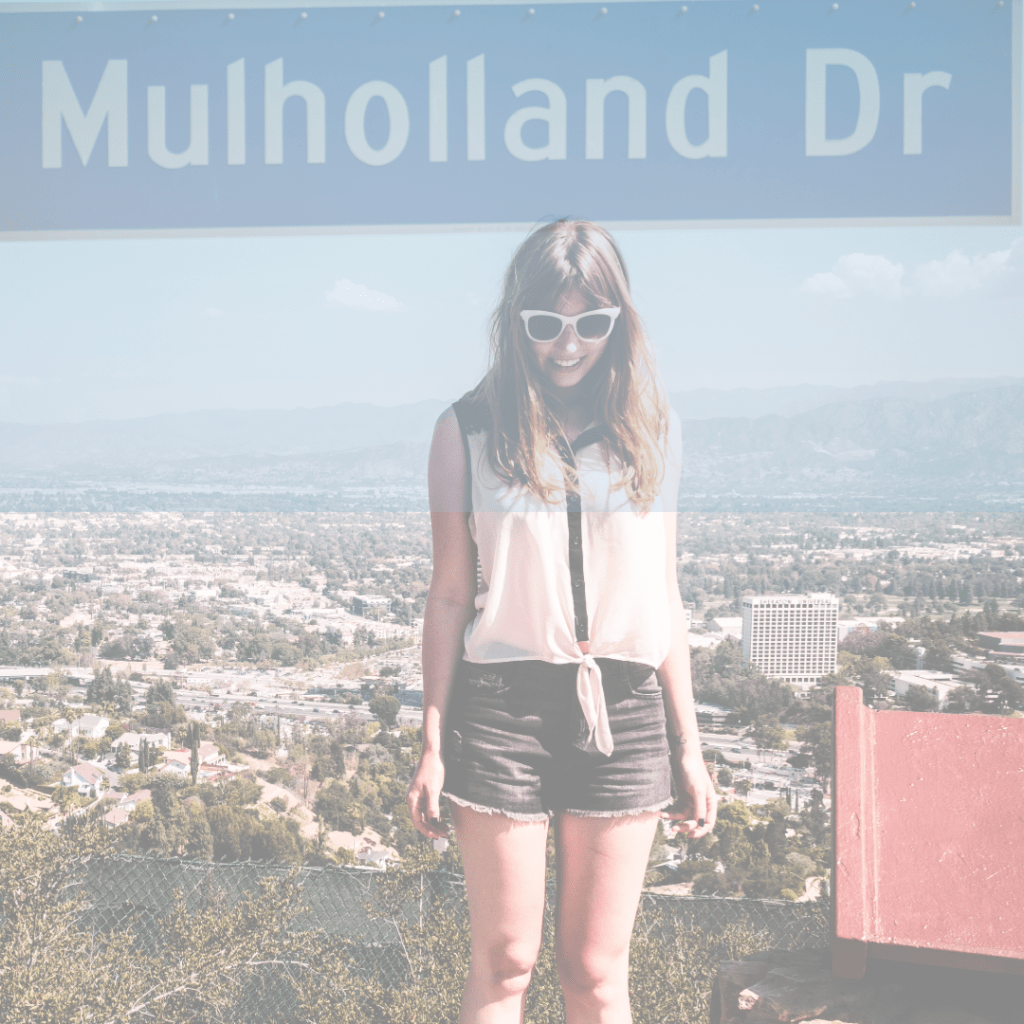
Mulholland Dr: “A dark-haired woman (Laura Elena Harring) is left amnesiac after a car crash. She wanders the streets of Los Angeles in a daze before taking refuge in an apartment. There she is discovered by Betty (Naomi Watts), a wholesome Midwestern blonde who has come to the City of Angels seeking fame as an actress”.
–Source: Wikipedia

Lost Highways: “From this inventory of imagery, Lynch fashions two separate but intersecting stories, one about a jazz musician (Bill Pullman), tortured by the notion that his wife is having an affair, who suddenly finds himself accused of her murder”.
–Source: Wikipedia
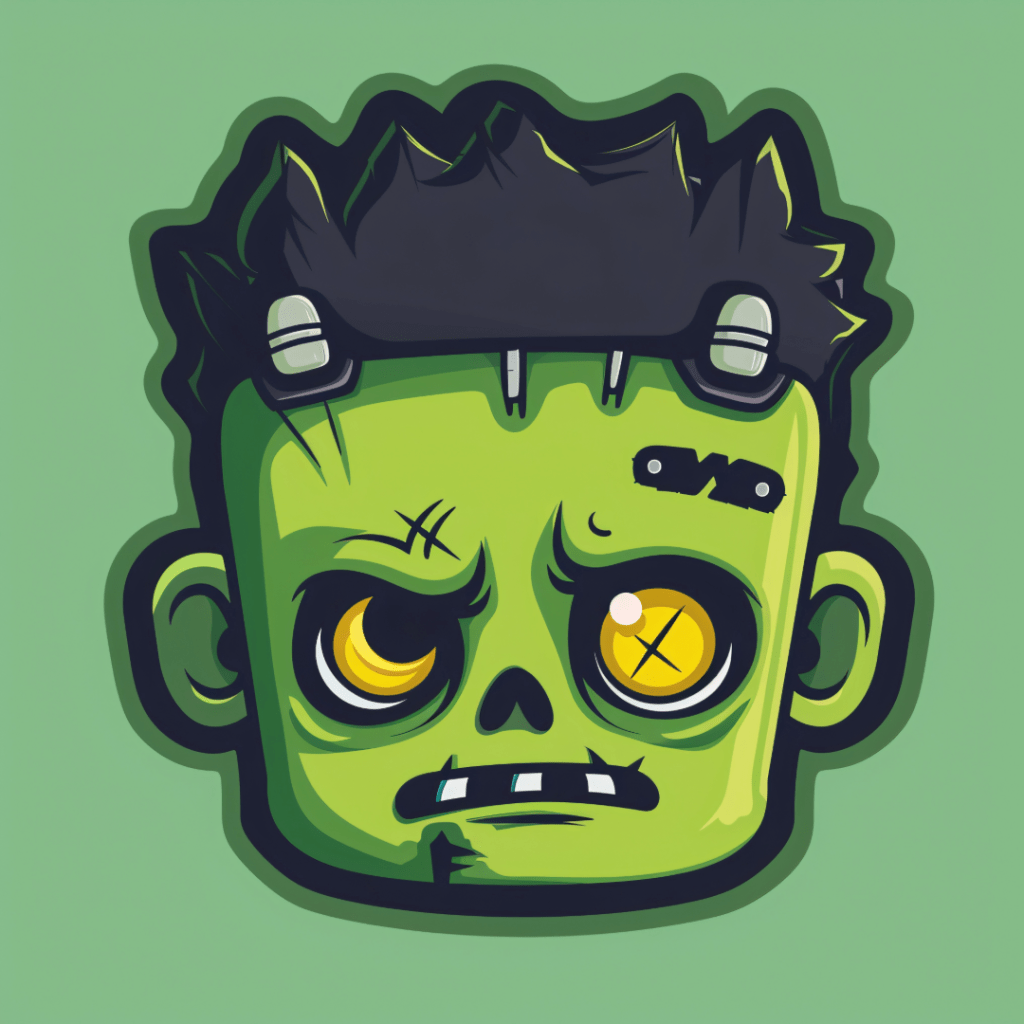
Eraserhead: “Henry (John Nance) resides alone in a bleak apartment surrounded by industrial gloom. When he discovers that an earlier fling with Mary X (Charlotte Stewart) left her pregnant, he marries the expectant mother and has her move in with him. Things take a decidedly strange turn when the couple’s baby turns out to be a bizarre lizard-like creature”
–Source: Wikipedia

Twin Peaks: “Fire Walk With Me. In the folksy town of Deerfield, Wash., FBI Agent Desmond (Chris Isaak) inexplicably disappears while hunting for the man who murdered a teen girl. The killer is never apprehended, and, after experiencing dark visions and supernatural encounters”
–Source: Wikipedia

Creative Commons: Find content you can share, use and remix. All images used in this article, have been vetted using the Creative Commons image search database.
David Lynch: Selected Paintings
In Film, Mise-en-Scene is a way to interpret compositional, topic matter arrangement. Relating to setting a proper scene between direction and composition. These elements include but are not limited to: Artist dialog screenplay, wardrobe, cinematography, score, special effects and setting a proper composition.
Contrary to film, Lynch’s paintings blend gestural brushwork with typography and found object assemblage. Equally important is the notion behind displaying his paintings with my top five films. To analyze Surrealist topic matter as a guiding inspiration. Moreover, I emphasize how Surrealism is an extension between the art of film and unknown terrain. Seen through uncanny lenses, behind the artist eye lies an intentional landscape. Action!
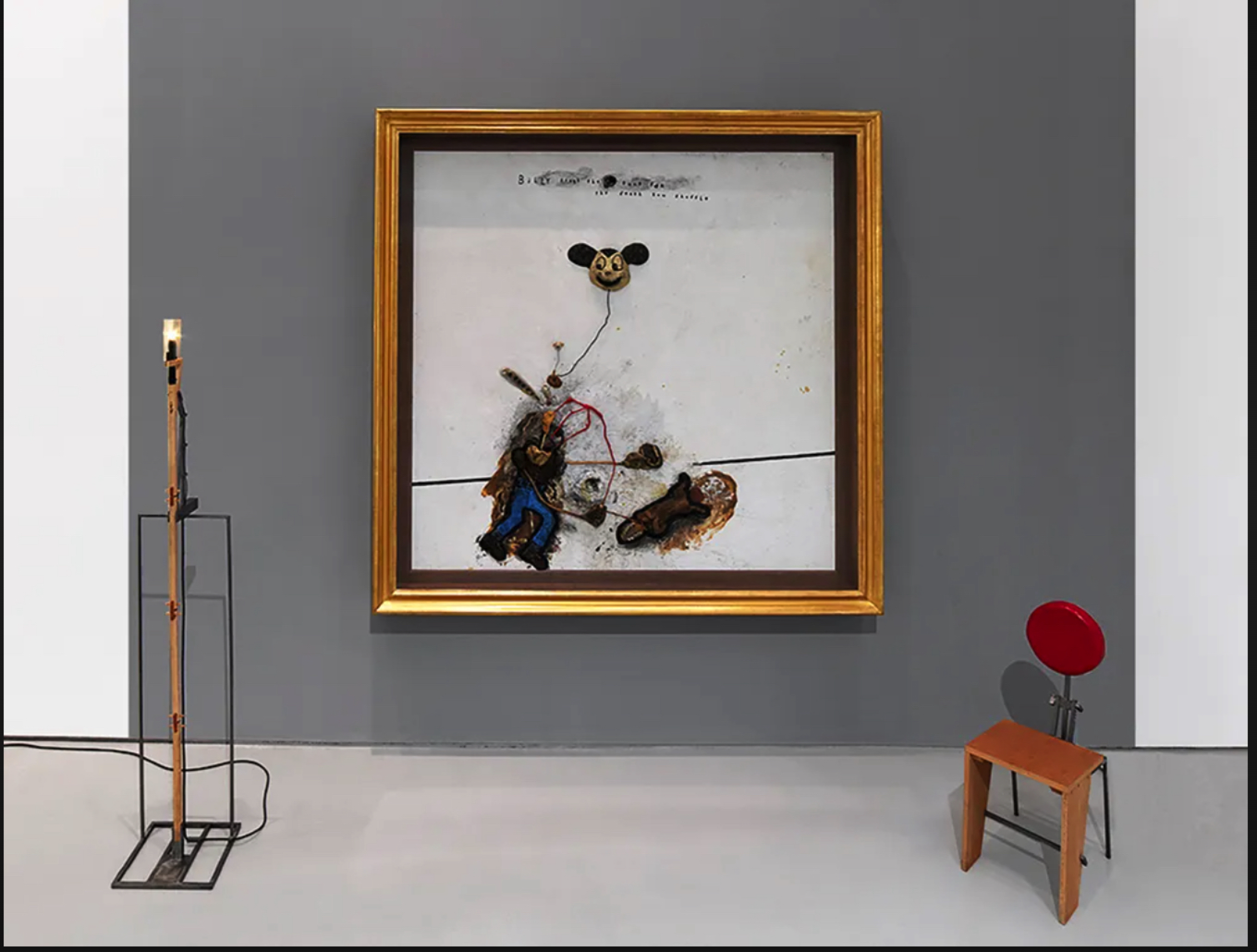
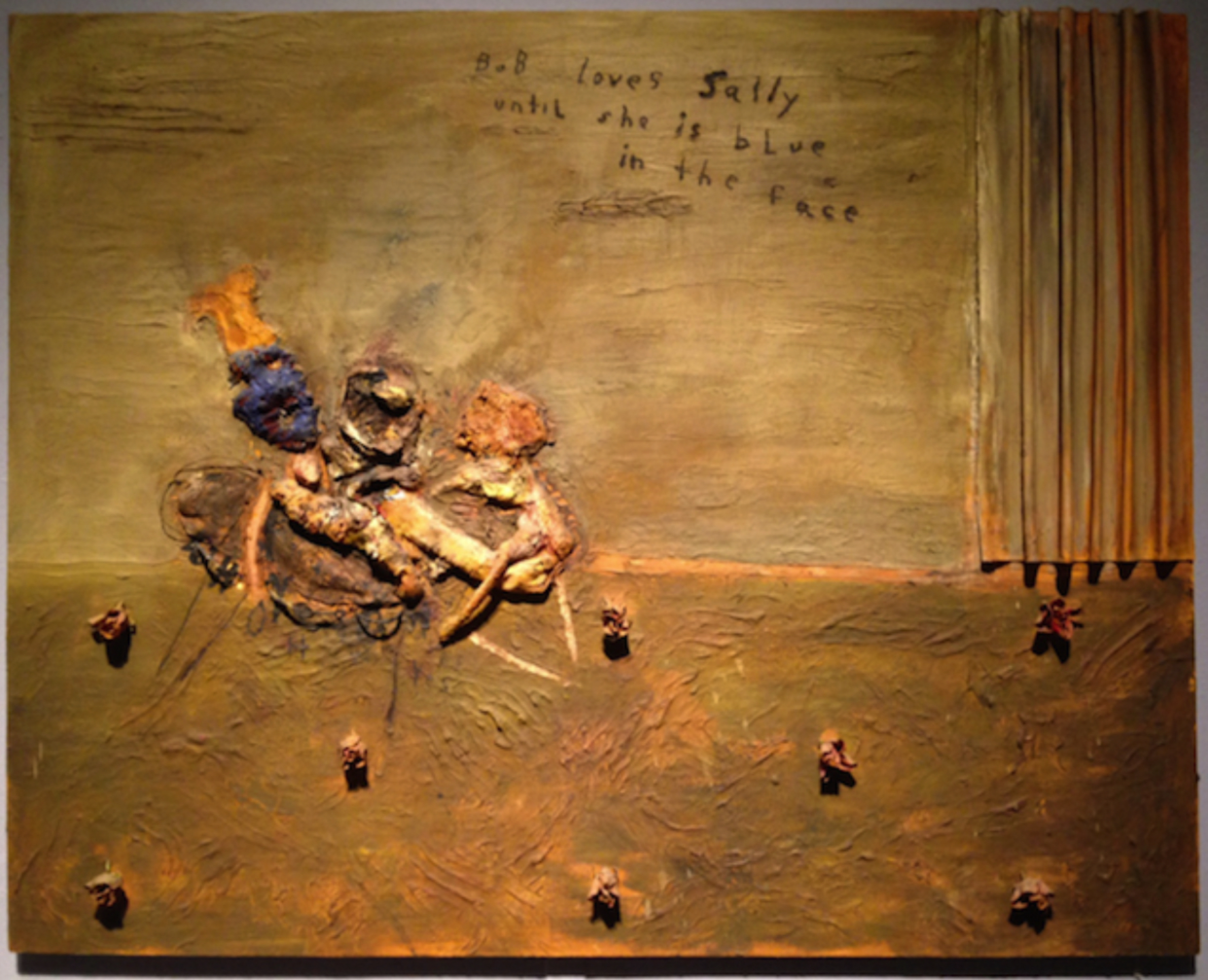
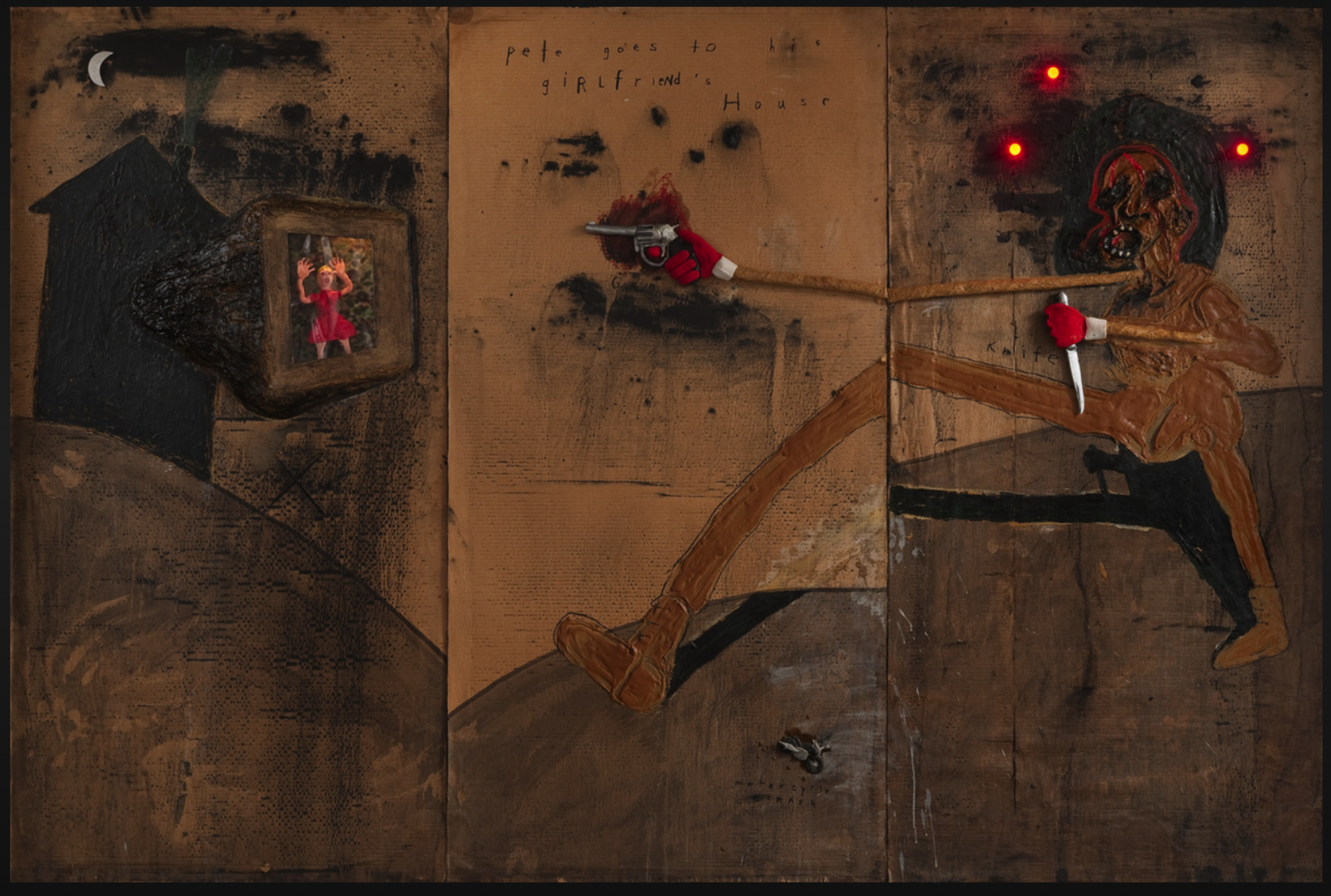
The next note, from our friends at Art In America. Concerning placement and history. On Lynch’s painting vs. filmmaking in mind. Arts Journal agrees to the contrary. The paintings can be seen as an outline to further understand his creative process. I read them as visual storyboards with gestural painterly patterns.
“In a 2014 write-up for Hyperallergic, Thomas Micchelli asked if anyone would care about Lynch’s fine art career if he weren’t “one of the few truly visionary directors of our time,” but he didn’t get more than a couple paragraphs before admitting that his question’s premise was flawed. It’s surprisingly hard to separate Lynch’s fine art practice from his filmmaking.” –Source: Art In America.
The following, a note about Surrealist experiences from the father himself. Guillaume Apollinaire onward, men. We go on. Source–Wikipedia.
This new alliance—I say new, because until now scenery and costumes were linked only by factitious bonds—has given rise, in Parade, to a kind of surrealism, which I consider to be the point of departure for a whole series of manifestations of the New Spirit that is making itself felt today and that will certainly appeal to our best minds. We may expect it to bring about profound changes in our arts and manners through universal joyfulness, for it is only natural, after all, that they keep pace with scientific and industrial progress. (Apollinaire, 1917)[13]
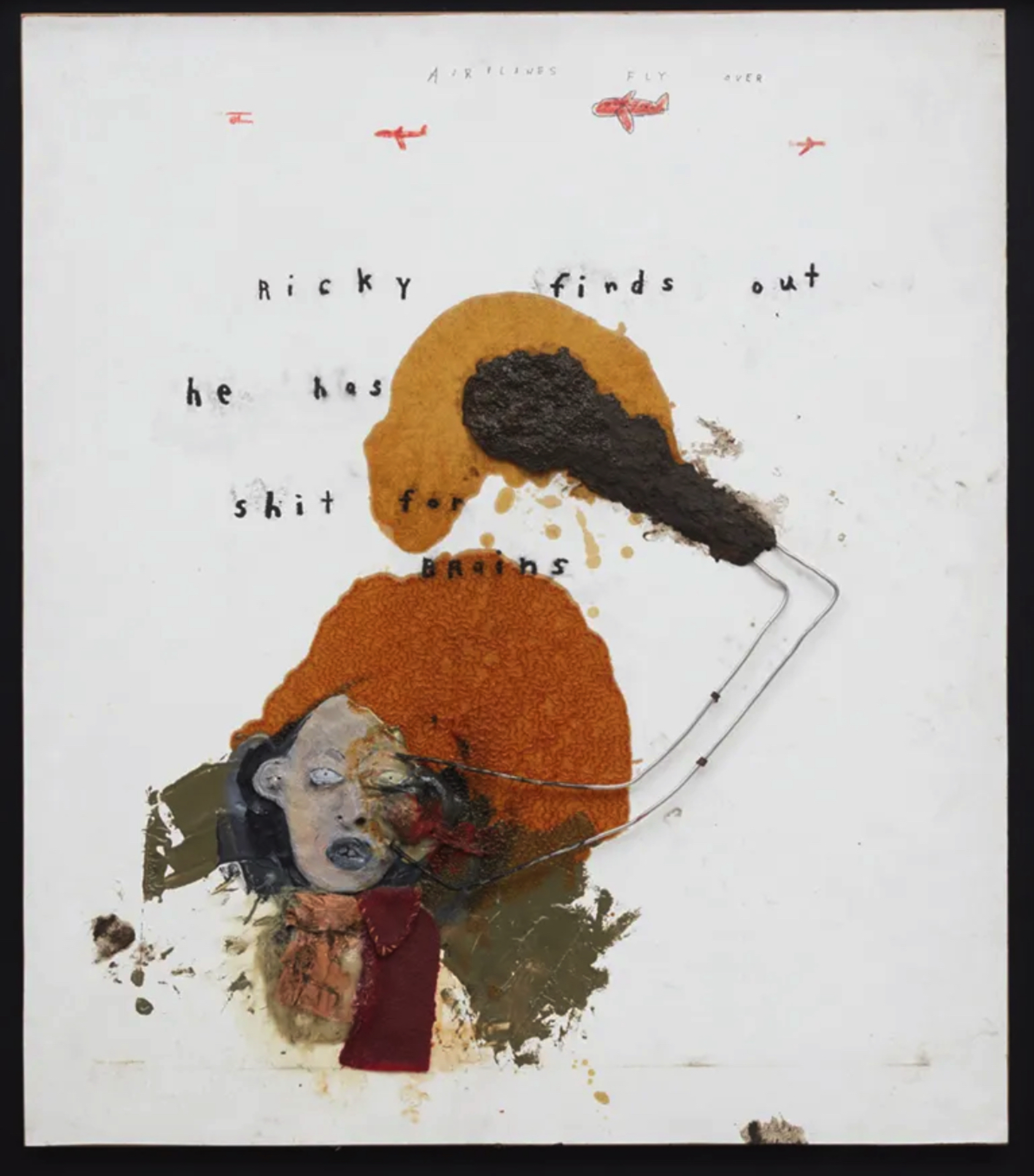
Juxtaposing, didactic and often sensual motif’s are expressed in both Surrealism and his films. Lynch’s philosophical vantage point arrives, full circle. Along with his painterly gestures and equally important to understand. Lies the Surrealist language by which Lynch is describing: Pure psychic automatism, the uncanny, exquisite corpses, political art, automatic writing. Are elements and tools dedicated to crafting surrealist images. In film, these particles are elementary principles to be expressed.
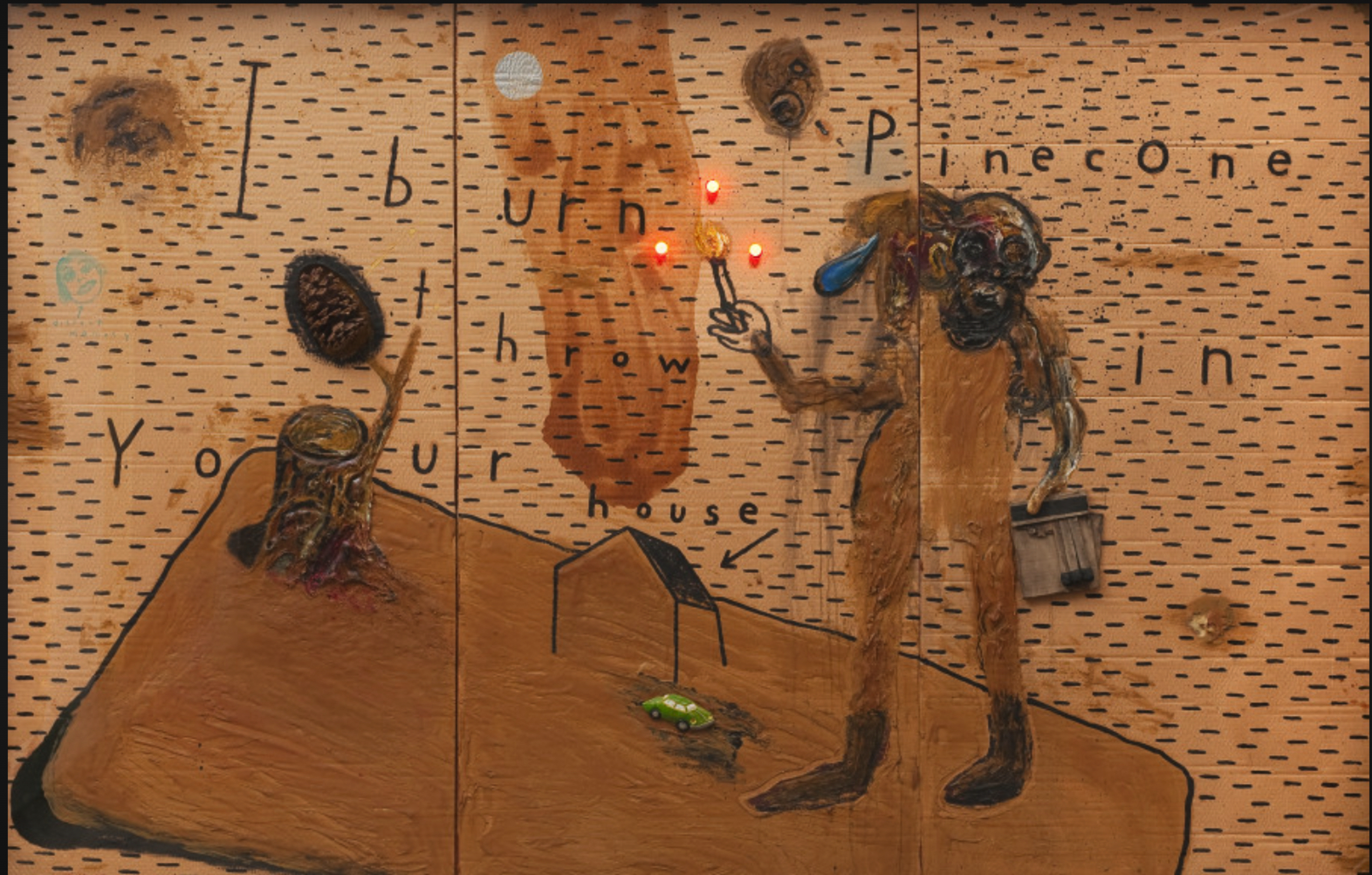
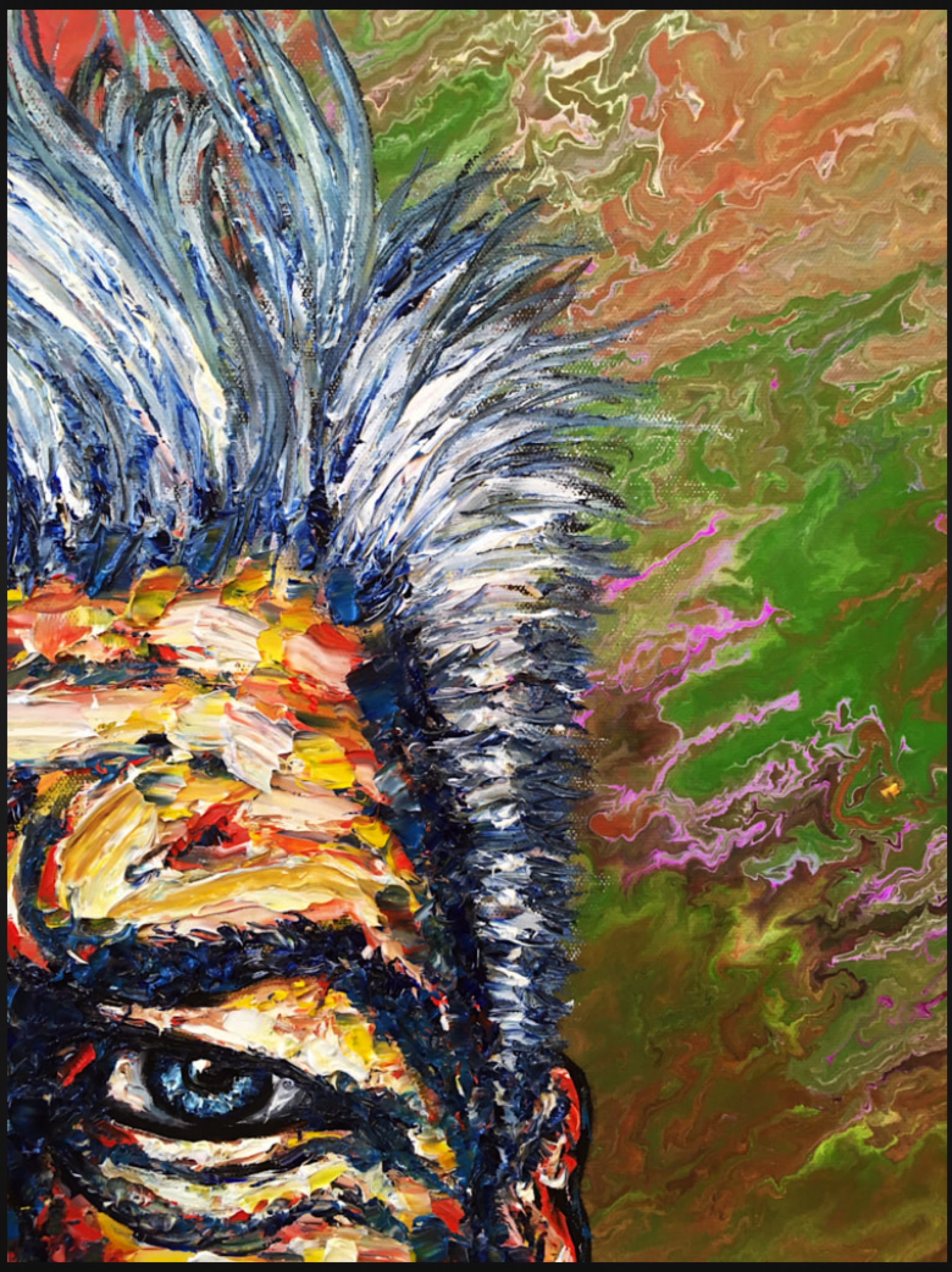
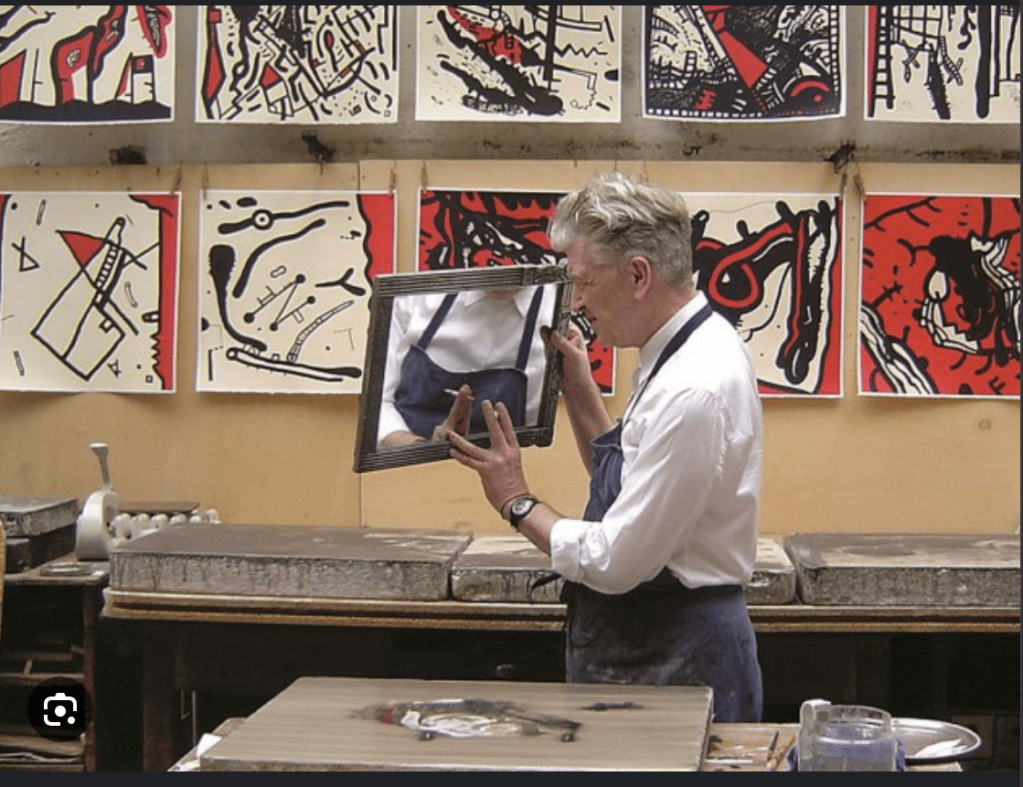
Surrealist Gallery & The Interpretation of Lynch.
Film captures the fourth dimension (time) with enormous sophistication. In twenty five frames per second, movement is seen and capture. Battleship Potemkin was the first film (1925) to introduce cinematic elements like: montage, double exposures with innovative editing techniques. Truly an avant-garde movie, (ie: ahead of time). To a generation of film makers dedicated to expressing surrealism with juxtaposing forms. Lynch, Scorsese, Malick, Nolan, Buñuel and Anderson. Battleship essentially lends itself to fundamental elements. Interpretative inspiration to us all, with love and action!
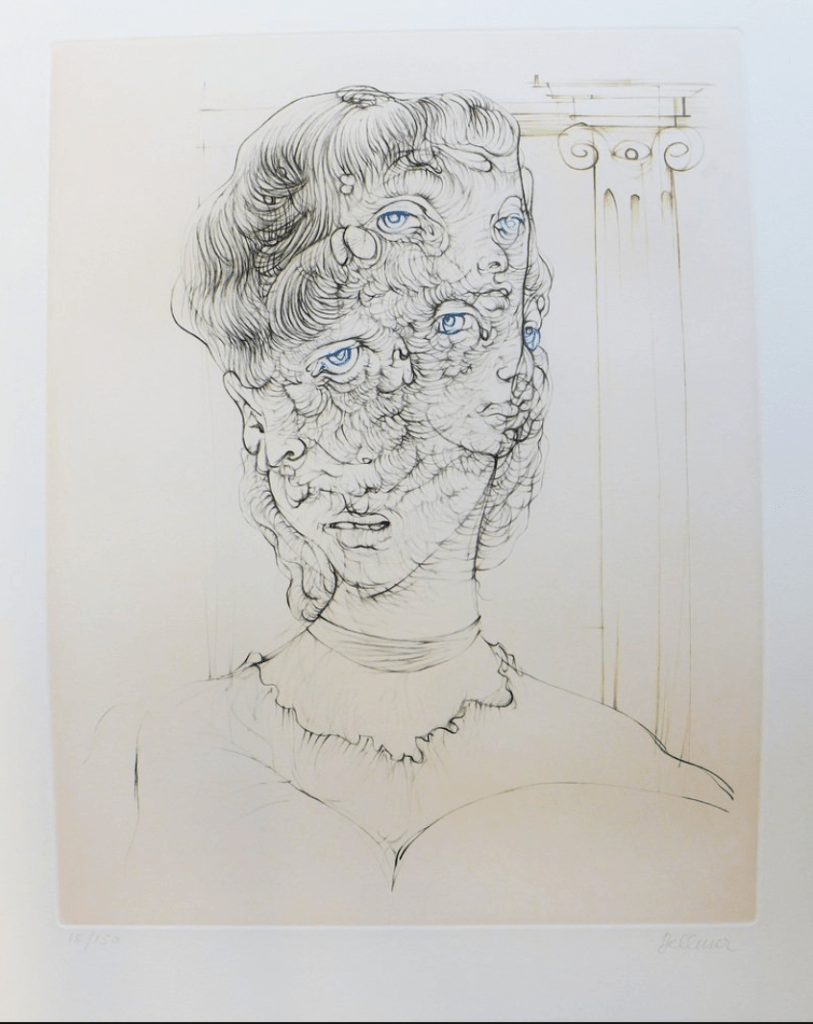
Artist Hans Bellmer, “Die Puppe” sculpture (seen below). These works aim to build both conceptual and juxtaposing tableau. Eroticism is one important component, arousing temptress of desires. David’s film combines murder, betrayal, suspense with suppressed psychological undertones. “From this inventory of imagery, Lynch fashions two separate but intersecting stories, one about a jazz musician (Bill Pullman), tortured by the notion that his wife is having an affair, who suddenly finds himself accused of her murder.”
These intersecting narratives from Wiki, help explain how elements of the Uncanny are expressed through his films. Allowing the reader, ample explanatory analysis. And hopefully, will allow for better interpretation when engaged. Watching my top rated films is highly recommended. Second to, reading about the Surrealist movement.

Juxtapositing Takes
These galleries explore juxtaposing relationships between my top rated David Lynch films. And Surrealist visual artist, Salvador Dali, Max Ernst, Hans Bellmer. On the literary side: Andre Breton & George Bataille. With autographic resources from Wikepedia. Cover art by conceptual artist, Salvador DC.
- Blue Velvet
- Mulholland Drive
- Lost Highways
- Eraserhead
- Twin Peaks
Q: Coupled with the wish to express Uncanny ideas. Can the author please explain. What is the underlying connection between the aforementioned artist and the works of David Lynch?
A: Surrealism by way of Automatic writing. The following note is from the book entitled: A Book Of Surrealist Games.
“This delightful collection allows to enjoy firsthand the provocative techniques used by the artist and poets of the Surrealist school to break through conventional thought and behavior to a deeper truth. Invented and played by such artist as Andre Breton, Rene Magritte, and Max Earns, these games still produce results ranging from the hilarious to the mysterious and profound.”
Nothing more is said of David Lynch and the uncanny censorial experience his films embody. Equally masterful is Blue Velvet use of color, mystery and suspense. The use of the Uncanny is to explain and decode dreams and the meaning behind interpretation.
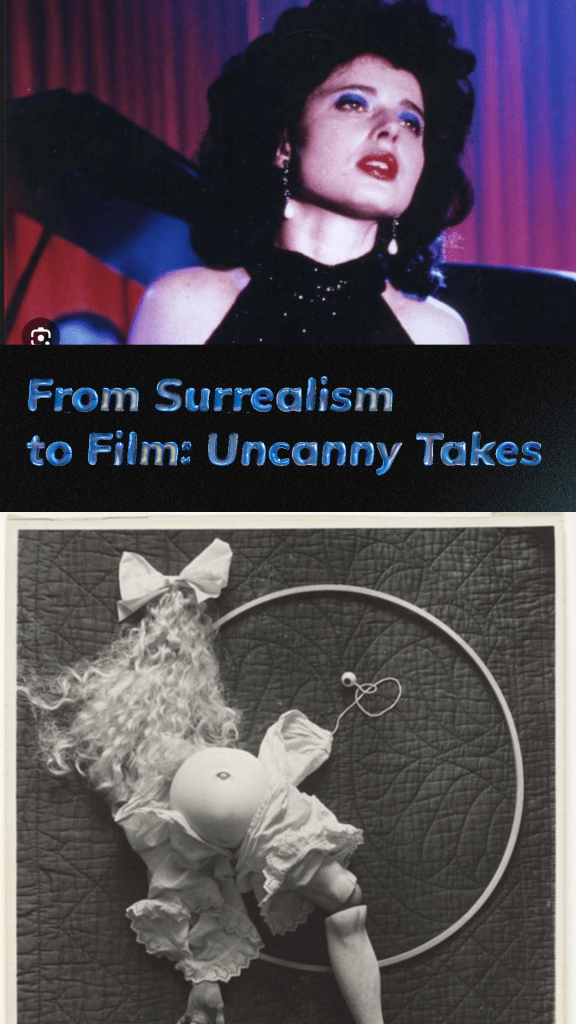
Works by Bellmer help the viewer towards understanding how to process the film’s (lost Highways) affair. What sort of destructive elements does betrayal, take form? Distorted on both sides, the female form shows both eroticism, gone stray. Encompassing compass, navigating the unknown along perplexing roads. The film’s contrasting elements are seen as, Surreal.

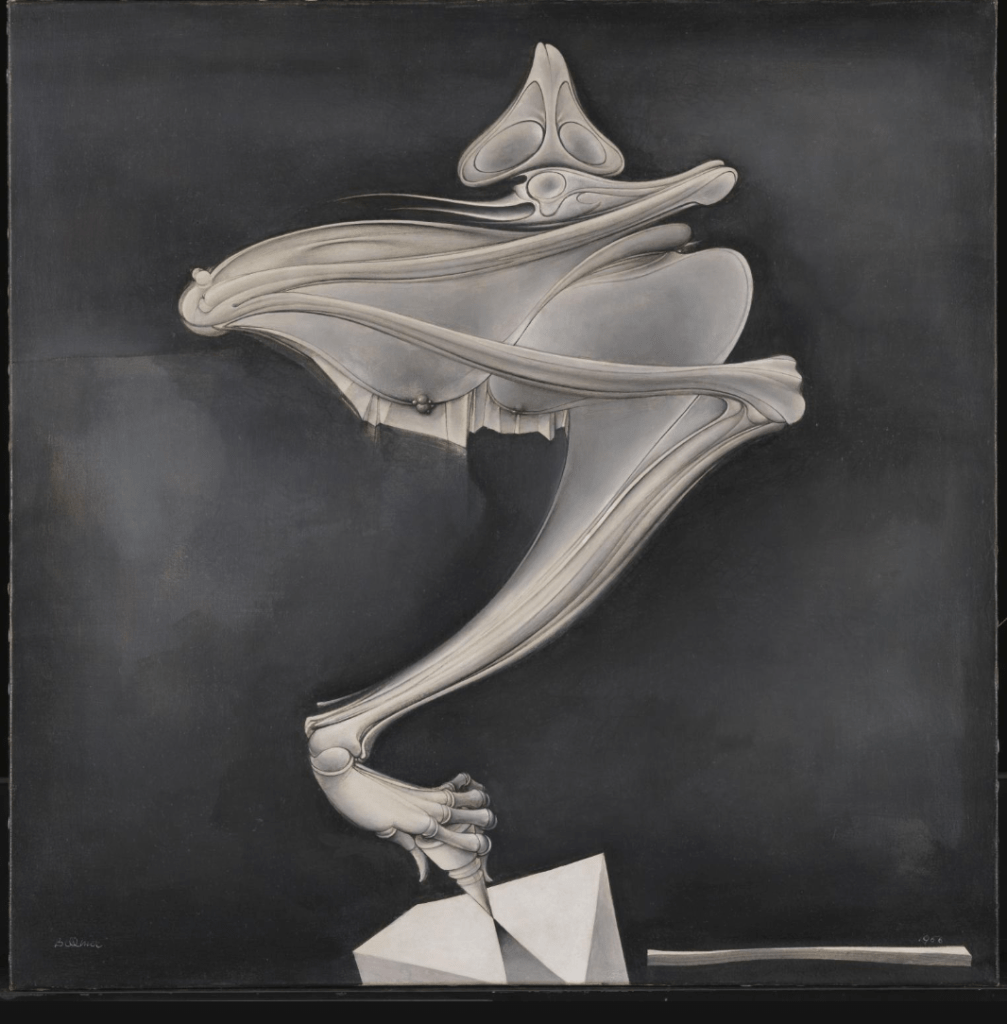
Surrealist Gallery: Hans Bellmer visual syle is best interpreted by writer Georges Bataille. Decoupling distortion and emotional imagery with danger and beauty. While other Surrealist may be seen as Rated:PG (parental guidance and learning is suggested) Bellmer is considered to be Rated: R. For the use of provocative and distorted sexual motifs.
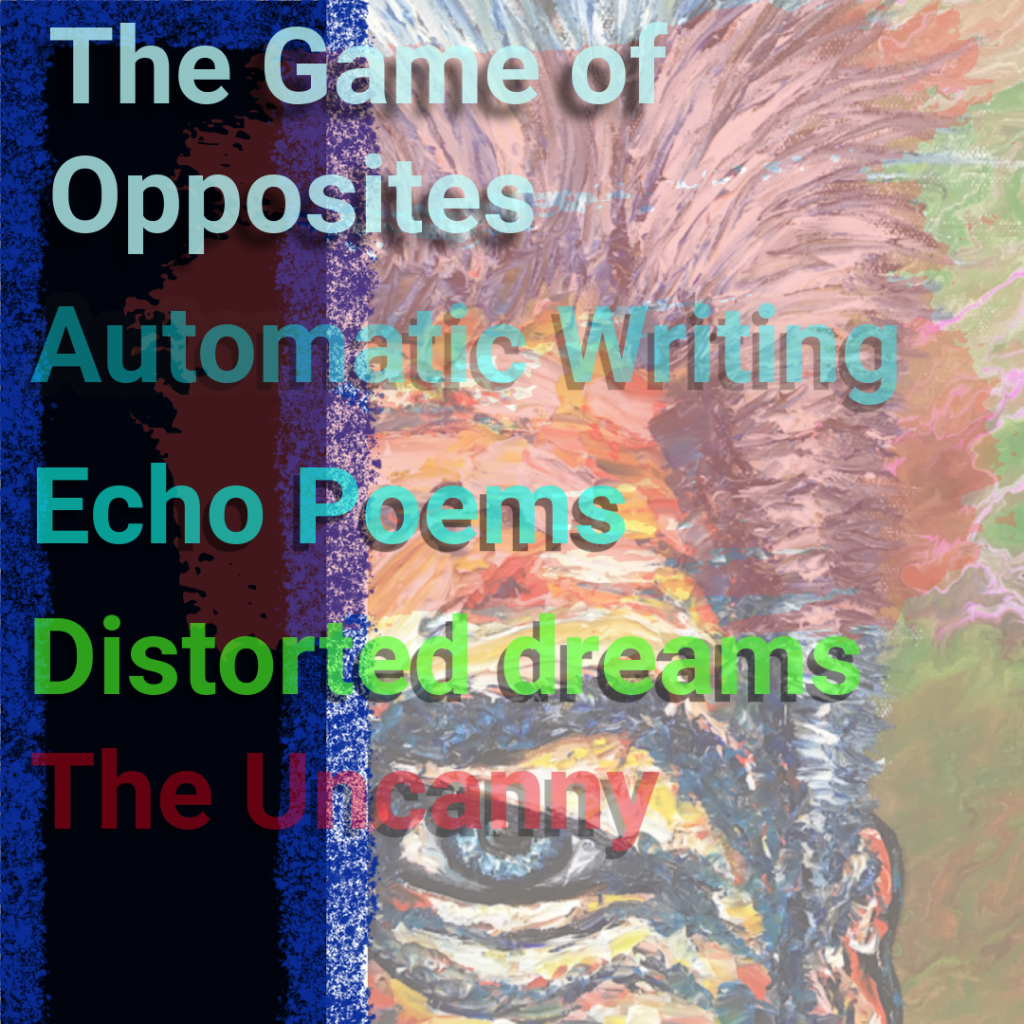
“Surrealism is an art and cultural movement that developed in Europe in the aftermath of World War I in which artists aimed to allow the unconscious mind to express itself, often resulting in the depiction of illogical or dreamlike scenes and ideas.[1] Its intention was, according to leader André Breton, to “resolve the previously contradictory conditions of dream and reality into an absolute reality, a super-reality”, or surreality.[2][3][4] It produced works of painting, writing, theatre, filmmaking, photography, and other media as well.” –source: Wikipedia
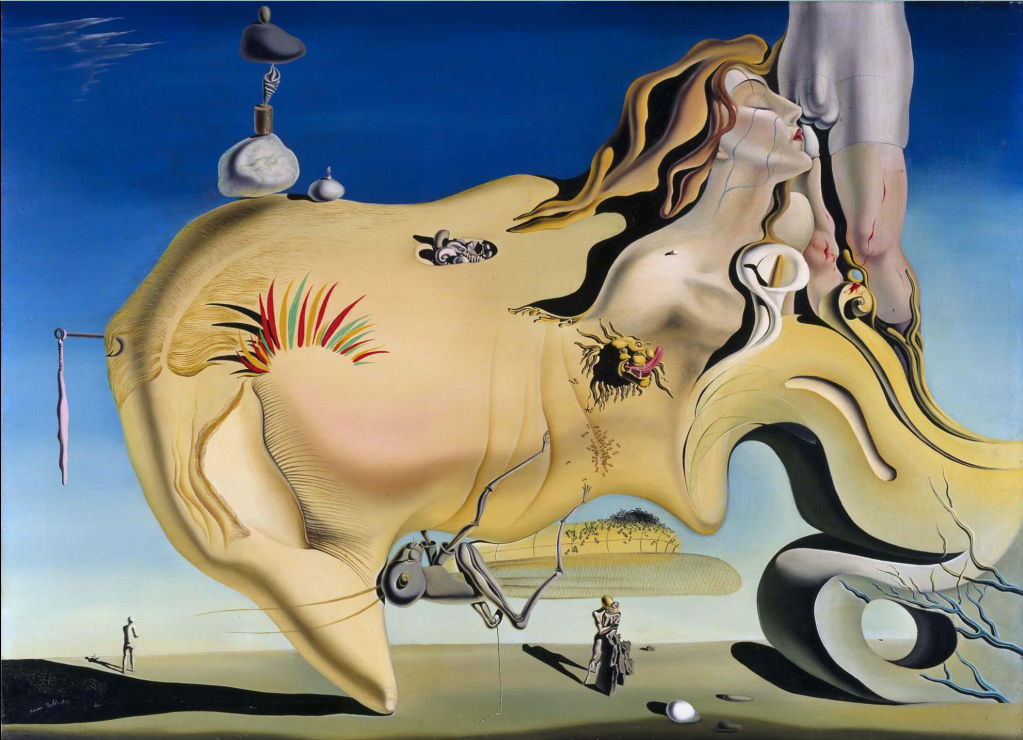
Surrealist Gallery: Salvador Dali distorted imagery is a coping mechanism. When interpreting Freud’s “The Interpretation of Dreams” the artist illustrative technique. With dreamy pastel palette. Symbolizing unconscious desires. Dali is creating painterly narratives, meant to illustrate what dreams are made of. During the roaring 20’s, before advance computer (CGI) graphics, the world had Salvador DC tantalizing images.
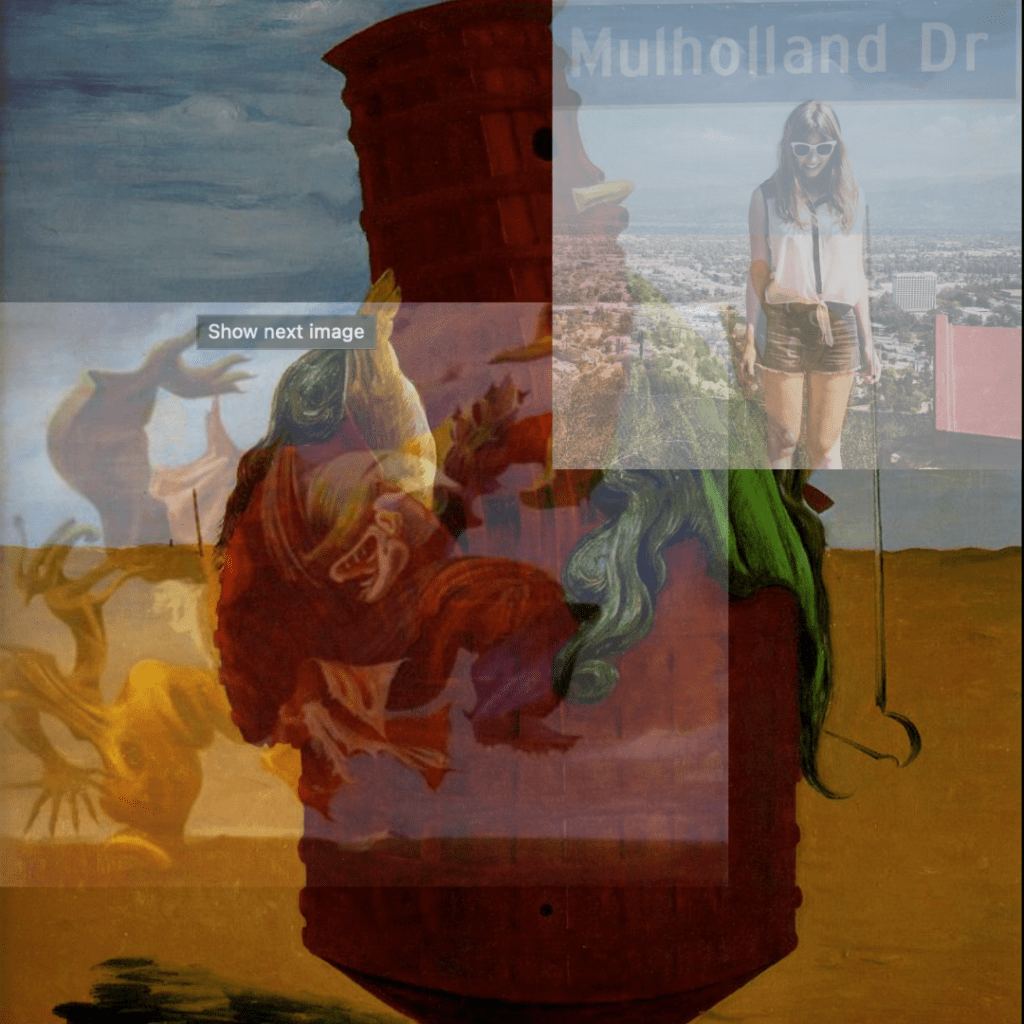
Title: Mulholland Dr, cover art by conceptual artist Salvador DC-Year: 2025. Amongst the artist contemporary works is an upcoming body of drawings entitled: 1998 to Present.
What does it mean, to embody Surrealist spirits? The bible is meant to aid with life’s trials and tribulations. Start by opening any page at random. One should find both meaning and preverbal wisdom. To help heal, cope and find comfort. Specially when evoking The New Testament, whilst thinking about JC as a philosopher for the gentile, Roman kind.
The female form said to me, “Love will save the day.”
After seeing Lost Highways, I was enchanted by several inner voices. Paul’s letter to the Corinthians illuminated my path and mind. Before thinking about, back towards her gaze. I miss her everyday, the gaze and smile of my best friend Sylvia.
Swiping thy thumbing experiences, beyond the user. To scroll or not to scroll. That, is the dooming question, as I scroll the infinite UI screen to find memories of her. —Pithy Surrealist Short Fiction-Automatic Writing Example.
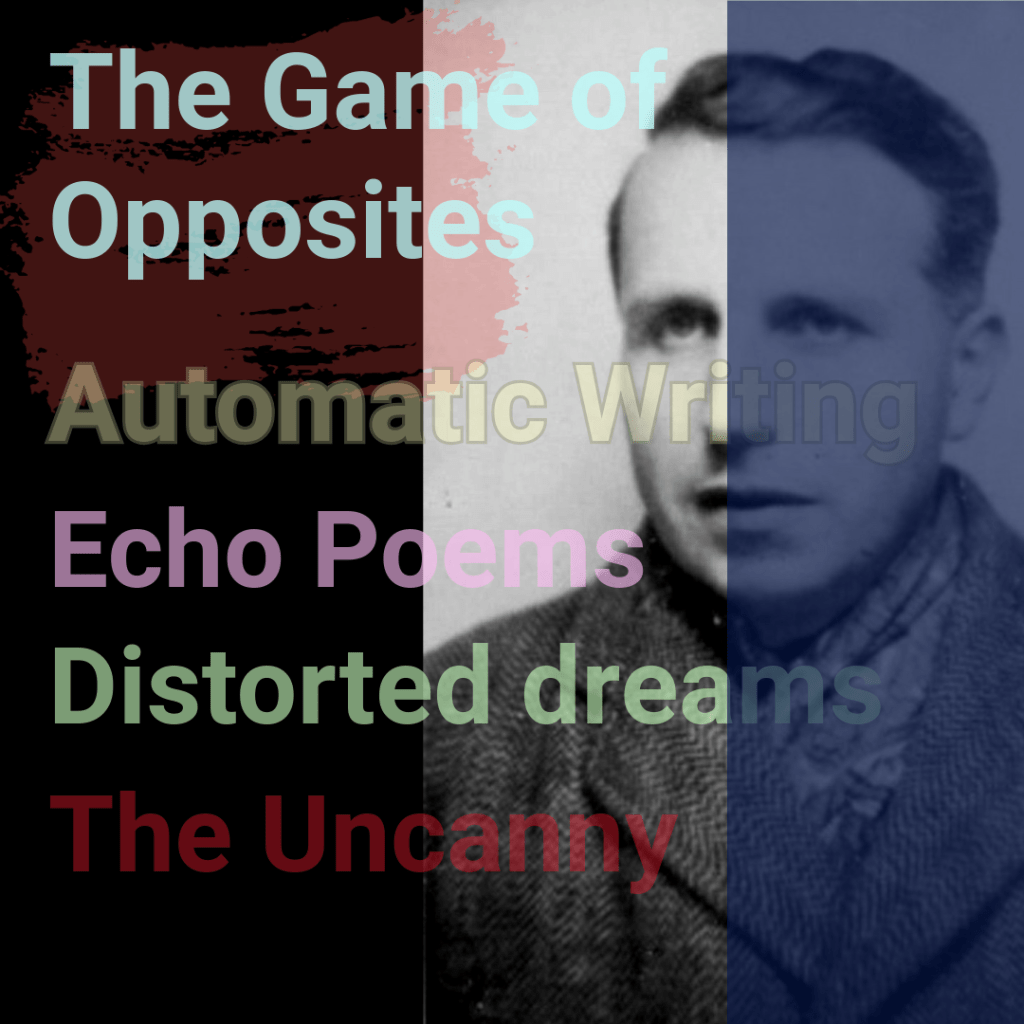
The Uncanny in Salvador Dali
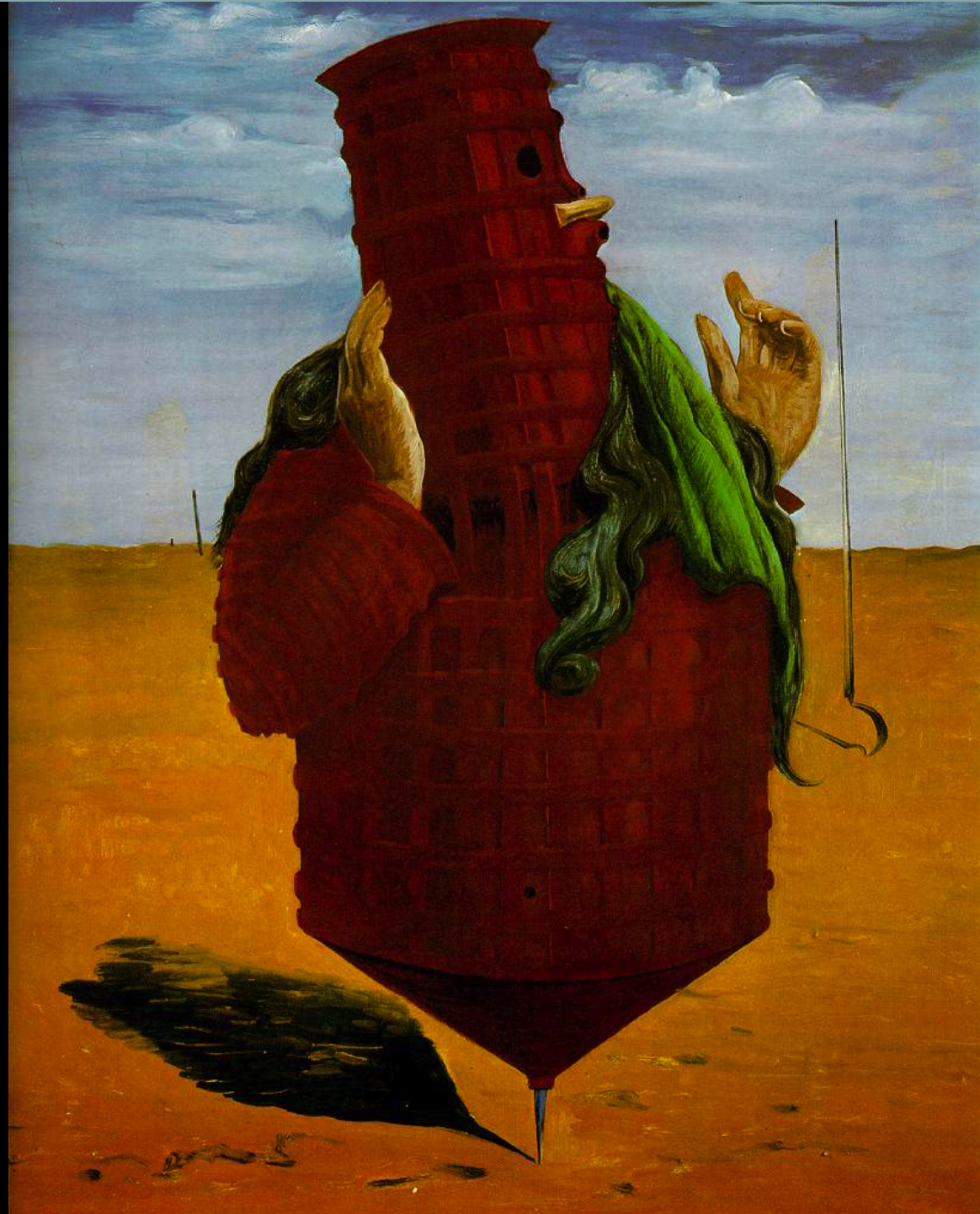
Eraserhead is the result of an adulterous affair. “Things take a decidedly strange turn when the couple’s baby turns out to be a bizarre lizard-like creature.” Max Earns collage painting echoes transformation. Expressed in Eraserhead is an often misguided cultural stigma that children raised under affair related conditions, go on to make poor adult decisions with often distorting results.
A World of Possibilities: Using Meta AI to ask my question
To summarize, thoughts on David Lynch is an essay arguing for historical and contemporary connections. Between the Surrealist movement and Lynch films. Surrealist writers: George Bataille and Andre Breton are equally important to understand. David Lynch Mise-en-Scene is derived from three main part takes. 1-Automatic Writing with free association motif. 2-Surrealist aesthetic by way of uncanny experiences. 3-Unfamiliar, uncomfortable subject matter with distorted image narratives.
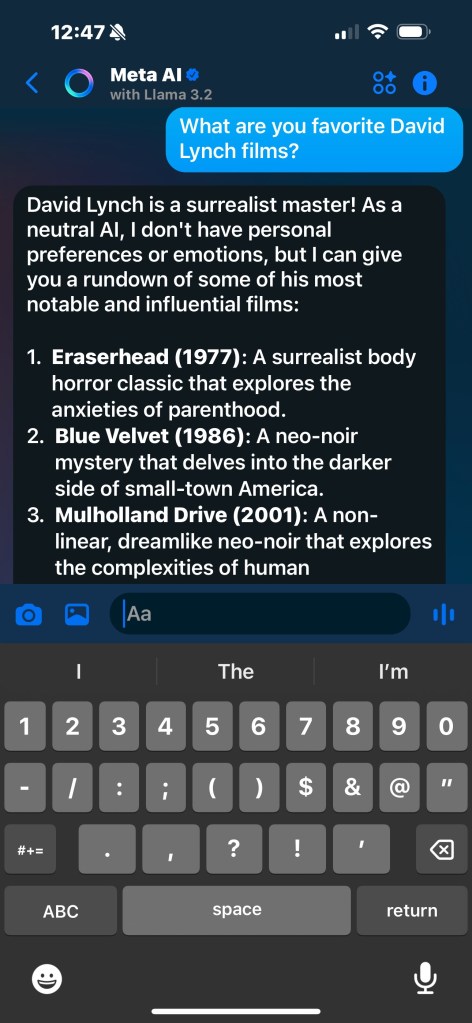
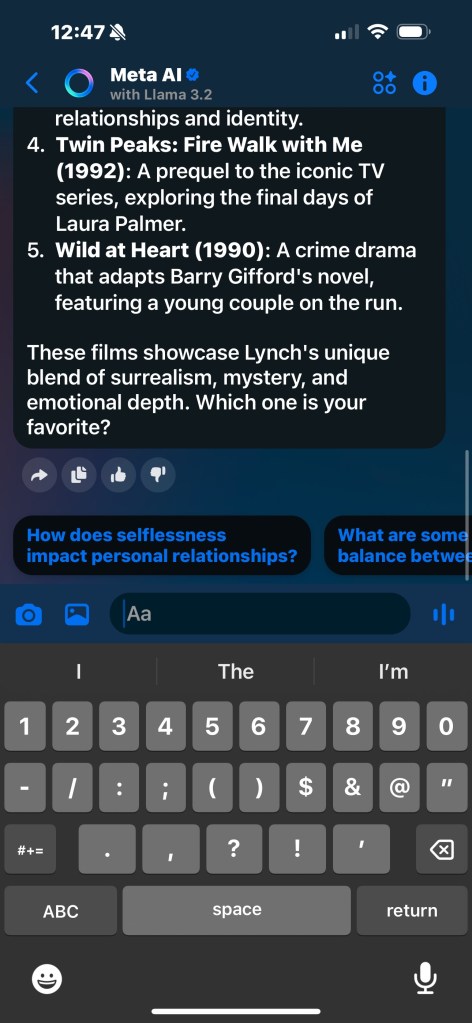
Automatic and didactic with an early emphasis on decoding Derrida’s deconstructive materialism, was George Bataille. The subsequent is from A Book of Surrealist Games. On the notion behind Automatic Writing principles and techniques. The use of the (,,,,) comma in English is meant to break long sentences, with often similar ideas. Moreover, automatic “Psychic Automatism” writing is an effort to deconstruct proper grammar for style, tempo and narrative.
Example: The dog loves going to the park, looking for nuts is the squirrel. Does the dog want to get a nut, as well?
“Automatic writing is the most direct of Surrealist techniques. Sit at a table with pen and paper, put yourself in a receptive frame of mind, and start writing. Continue writing without thinking about what is appearing beneath your pen. Write as fast as you can. If, for some reason, the flow stops, leave a space and immediately begin again by writing down the first letter of the next sentence. Choose this letter at random before you begin, for instance a “t”, and always begin this new sentence with a “t”. Althoght in the purest version of automatism nothing is corrected or re-written, the unexpected material produced by this method can be used as the basis for further composition”.

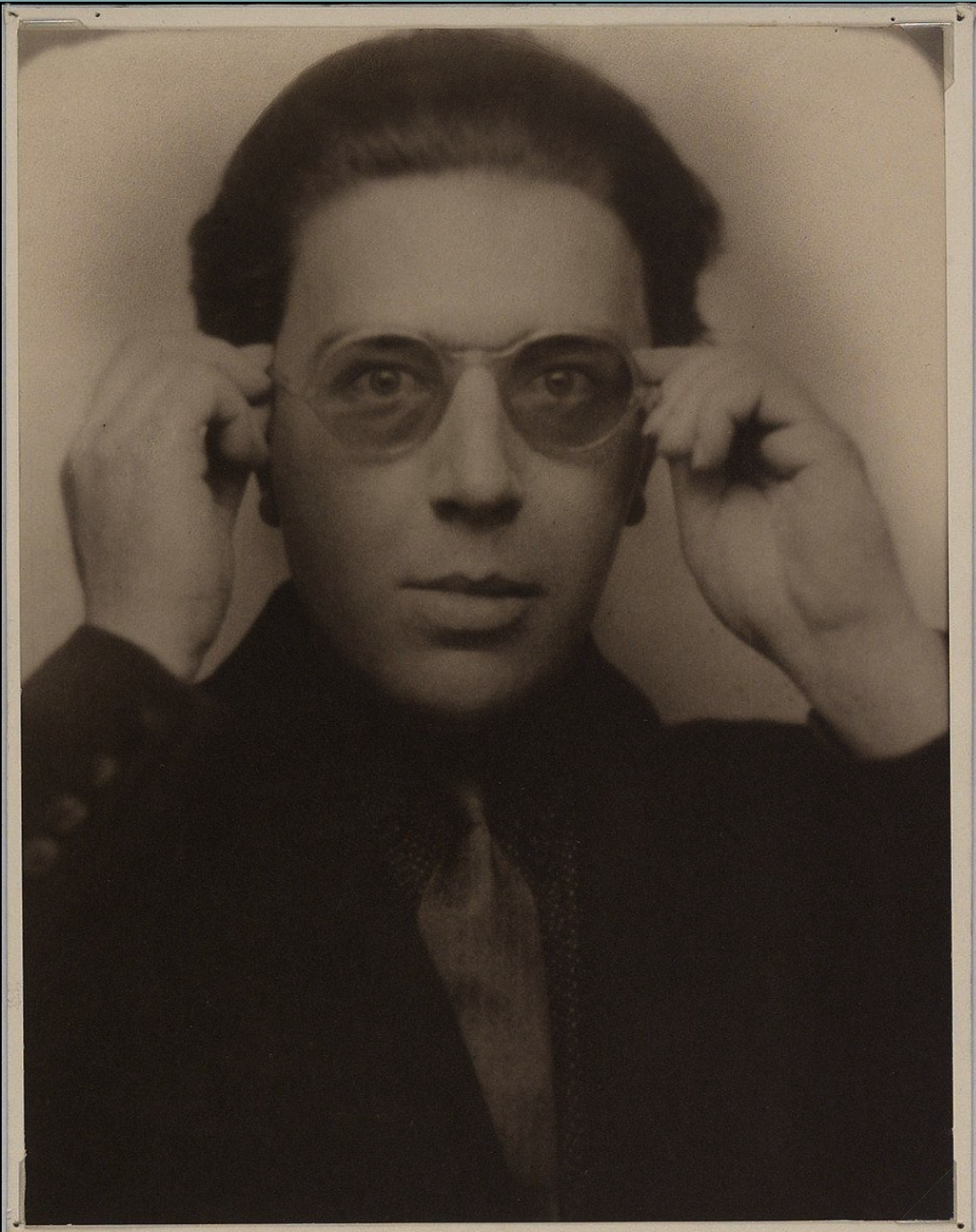
“André Robert Breton (French: 19 February 1896 – 28 September 1966) was a French writer and poet, the co-founder, leader, and principal theorist of surrealism.[1] His writings include the first Surrealist Manifesto (Manifeste du surréalisme) of 1924, in which he defined surrealism as “pure psychic automatism“.[2]
Along with his role as leader of the surrealist movement he is the author of celebrated books such as Nadja and L’Amour fou. Those activities, combined with his critical and theoretical work on writing and the plastic arts, made André Breton a major figure in twentieth-century French art and literature” –Source: Wikipedia.
The author draws inspiration with the more liberal and peaceful tendencies behind Breton’s teachings. Finding socialist methodologies while nation building, are essentially important. While the author recognizes we need a capital system. To coexist in a changing world were artificial intelligence may be seen as the new cultural revolution. How does automatic writing gives sway to hallucinations derived from autonomous agents? while parsing Meta AI to gabble with writing syllabus course materials, for college students interested in learning film making and art criticism.
Aim: The aim of this course is to teach latin X creatives how to use META AI for the purposes of crafting better essay writing for Surrealist visual film art creatives.
- Battleship Petemkin. Film analysis with creative workshop short film techniques for social media post. Students will watch the film after reading how to properly set the scene using Mise-en-Scene writing. Each students will draw inspiration using video montages from personal experience. Combining short fiction screenplay selfies with personal memoir and video shorts, to compose Battleship’s black and white esthetic.
- Tools: META AI, iPhone iMovie App with Adobe Express short video filter galleries.
Twin Peaks: Fire Walk With Me. Outlines several themes into a single cinematic experience. From our friends at IMBD, the next storyline:
“A prequel to David Lynch and Mark Frost’s earlier TV series “Twin Peaks”. The first half-hour or so concerns the investigation by FBI Agent Chet Desmond (Chris Isaak) and his partner Sam Stanley (Kiefer Sutherland) into the murder of night-shift waitress Teresa Banks in the small Washington state town of Deer Meadow. When Desmond finds a mysterious clue to the murder, he inexplicably disappears. The film then cuts to one year later in the nearby town of Twin Peaks and follows the events during the last week in the life of Laura Palmer (Sheryl Lee) a troubled teenage girl with two boyfriends; the hot-tempered rebel Bobby Briggs (Dana Ashbrook) and quiet biker James Hurley (James Marshall), her drug addiction, and her relationship with her difficult (and possibly schizophrenic) father Leland (Ray Wise), a story in which her violent murder was later to motivate much of the TV series. Contains a considerable amount of sex, drugs, violence, very loud music and complex or interpretive imagery.”—Douglas Baptie
The Footnote: References for further research UX.
David Lynch Autobiography: David Keith Lynch (January 20, 1946 – January 15, 2025) was an American filmmaker, visual artist, musician, and actor. Considered one of the most important filmmakers of his era, Lynch was often called a “visionary” and was acclaimed for films often distinguished by their surrealist qualities. In a career spanning more than 50 years.
Surrealism is an art and cultural movement that developed in Europe in the aftermath of World War I in which artists aimed to allow the unconscious mind to express itself, often resulting in the depiction of illogical or dreamlike scenes and ideas.[1] Its intention was, according to leader André Breton, to “resolve the previously contradictory conditions of dream and reality into an absolute reality, a super-reality”, or surreality.[2][3][4] It produced works of painting, writing, theatre, filmmaking, photography, and other media as well.
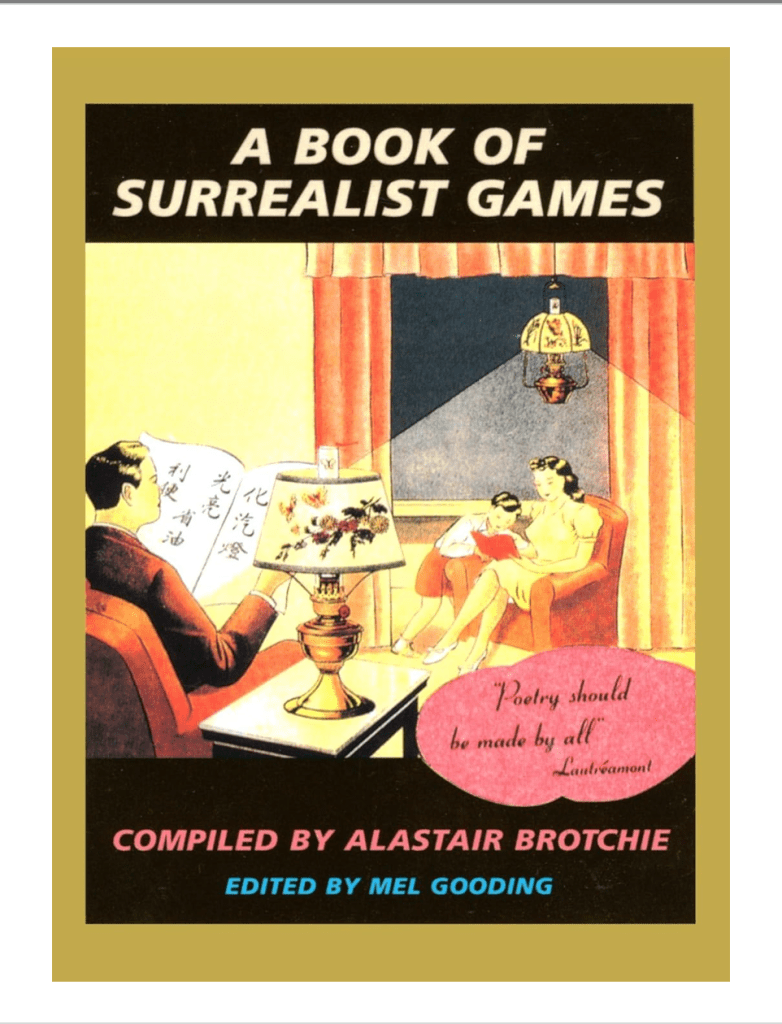
In A Book of Surrealist Games, readers are invited into the captivating realm of Surrealism, where creativity knows no bounds. This comprehensive collection of the techniques used by the artists and poets of the Surrealist school explores the movement’s radical approach to art and thought, offering a collection of games and techniques that serve as both historical document and practical manual for unlocking the unconscious mind.

Communities for Latin X creators are amongst churches to sanctuary spaces, for all. Northern Manhattan Arts Alliance symbolizes my creative gathering, to make arts and crafts == to fine art moments in time. Thank you.
 Arts Journal Zine
Leave a comment