
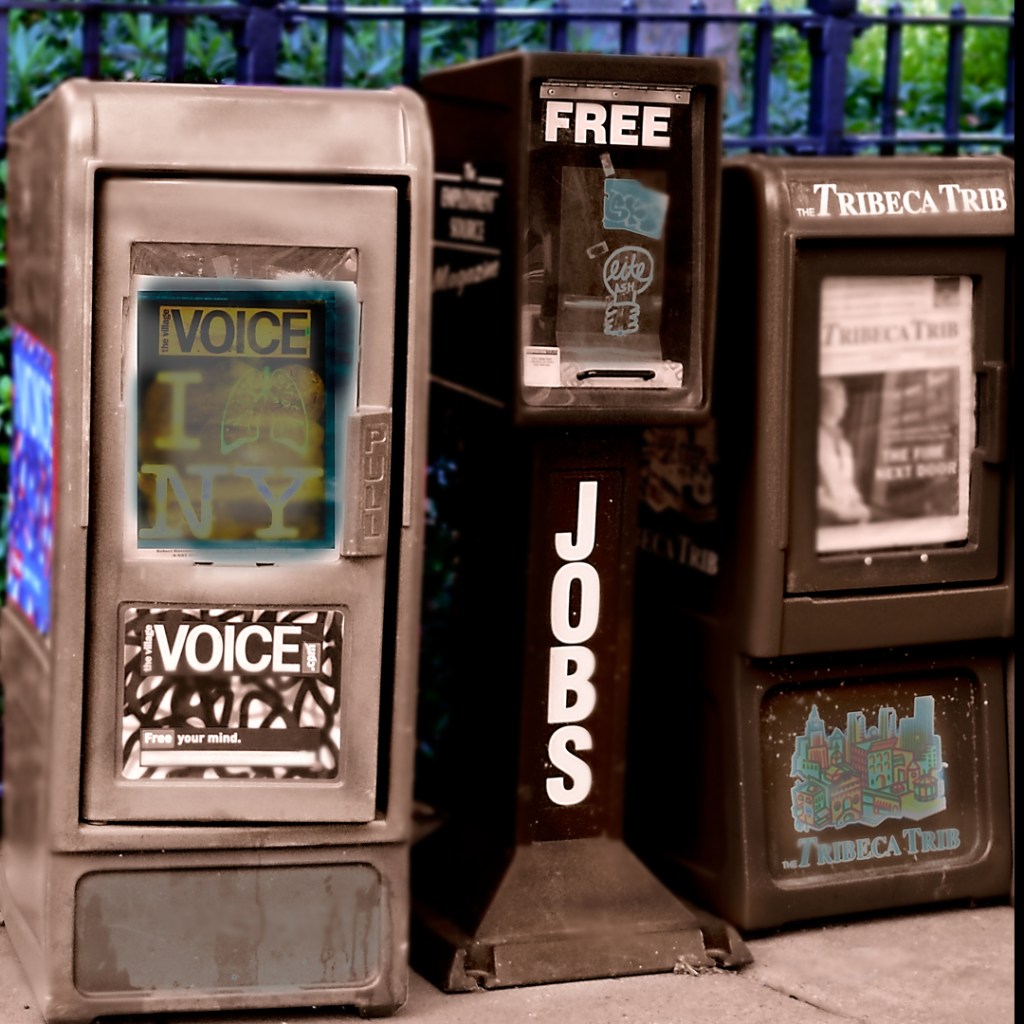
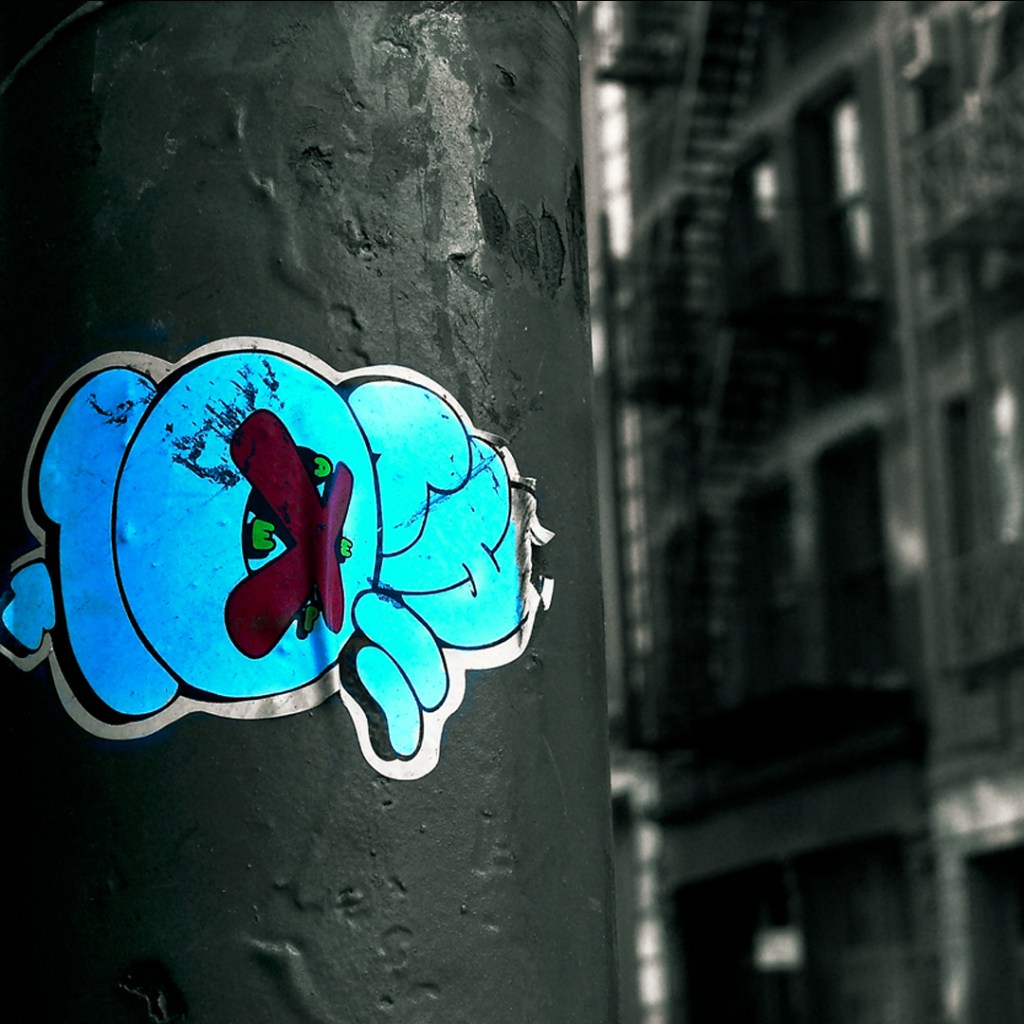
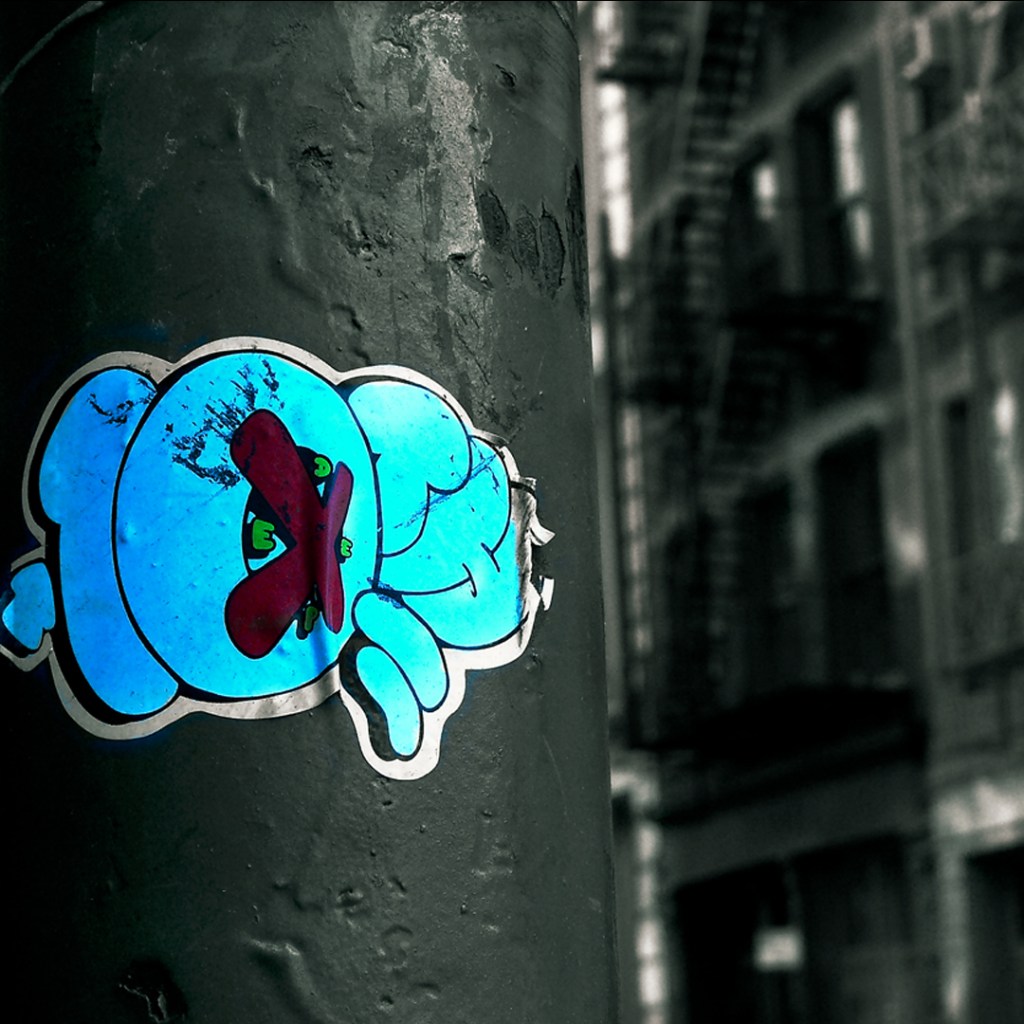
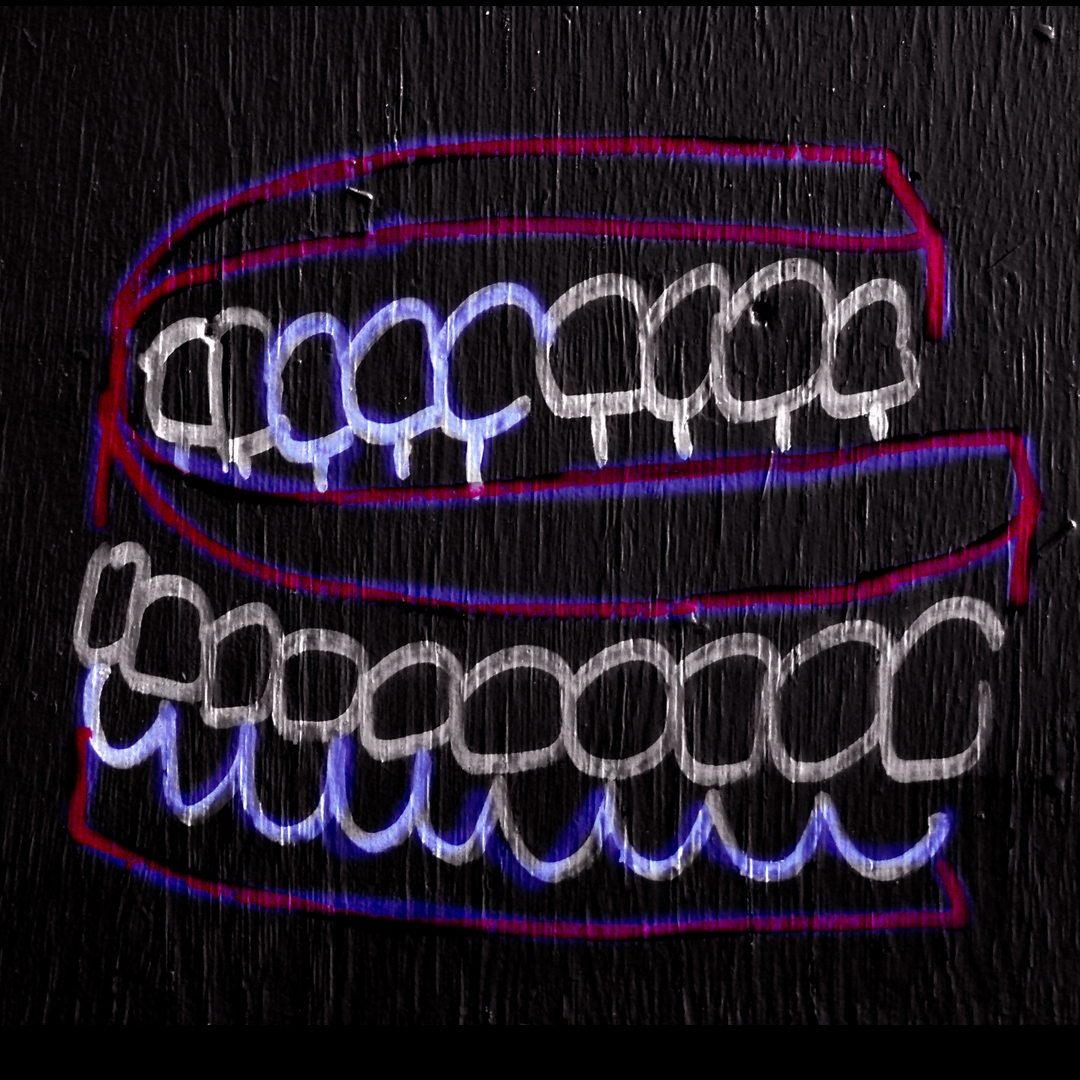
The word “Pictographic” means to embody philosophical absurdities. Street iconography and pedestrian surrealist symbols. Blending graffiti tableau with art directional scope, my thesis is meant to reinforce creative narratives.
Meaning and hope.
Adorning NYC streets, digital camera at hand (Panasonic Lumix 20-Mega Pixel with 90mil zoom. Carl Zeiss lens with traditional body armor) weapon of choice.
I decided to stroll uptown NYC, while taking illustrative shots, embarking onto a colorful lyrical pavement. Together with the galleries on show. I start with several photographs. They are selected from my personal arts journal collection, entitled: “Pictographic Takes”-From Street Aesthetics to Modern Art’s Rise.
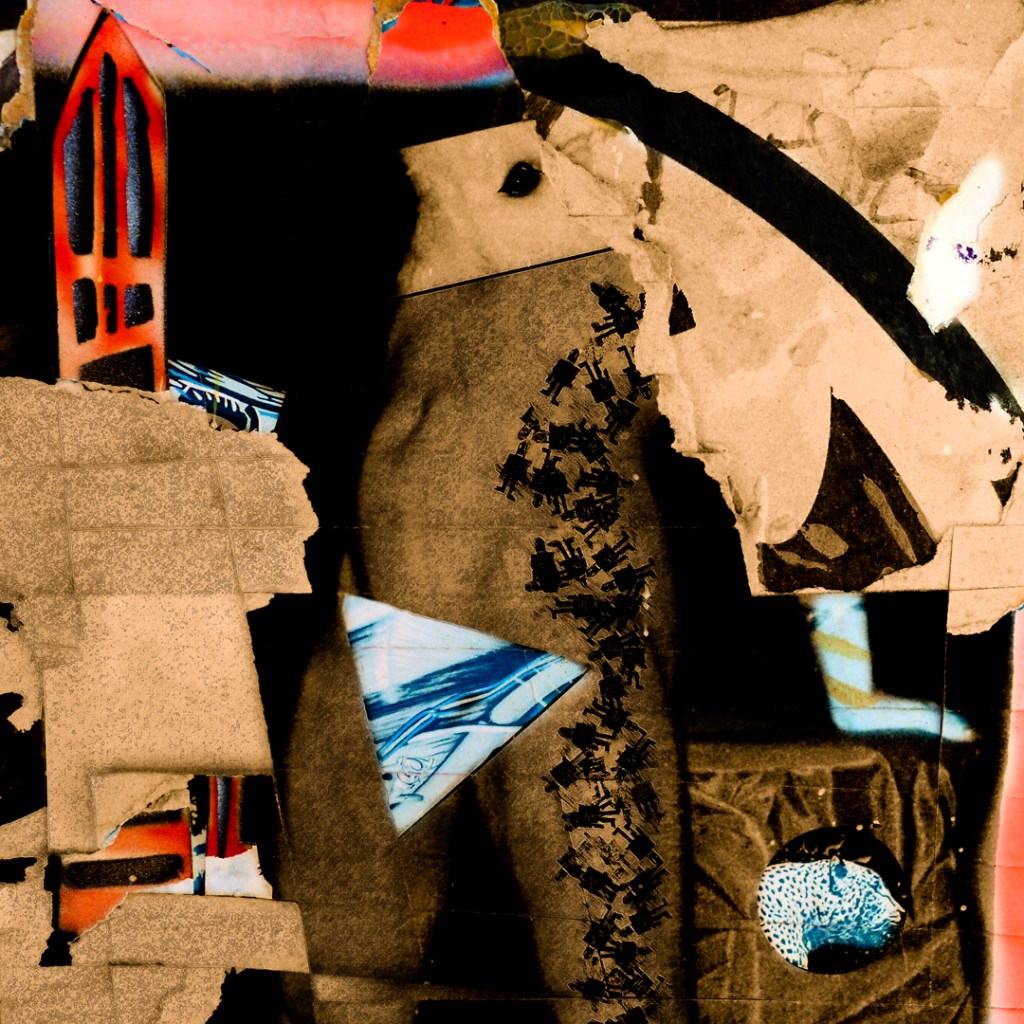
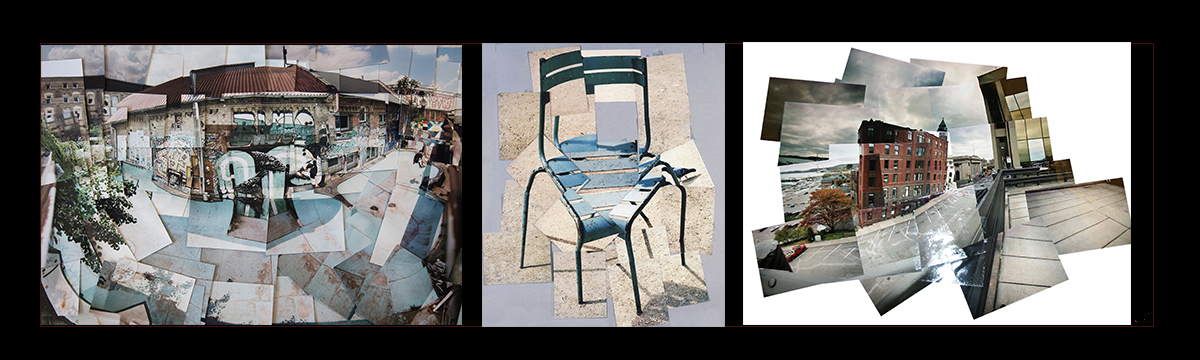
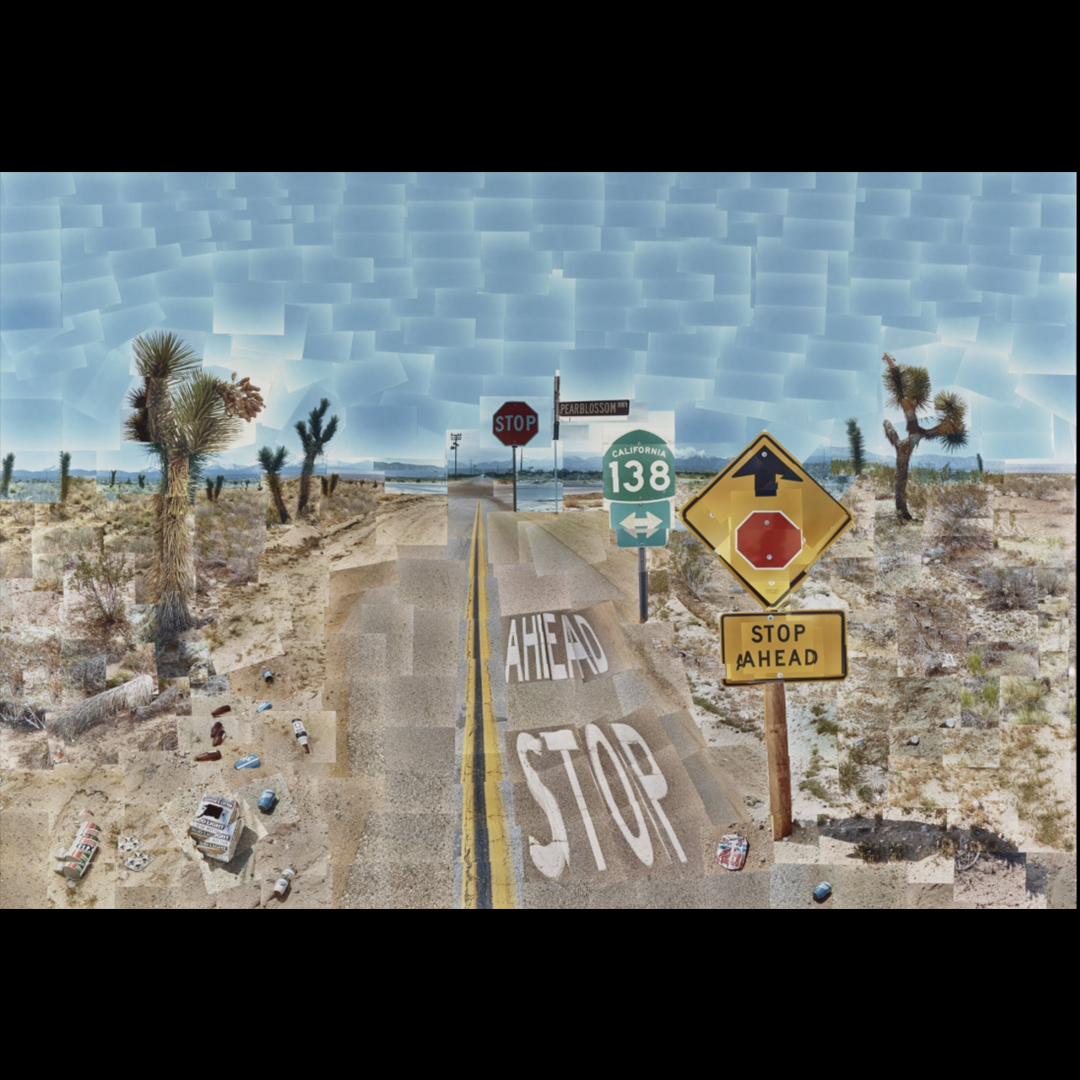
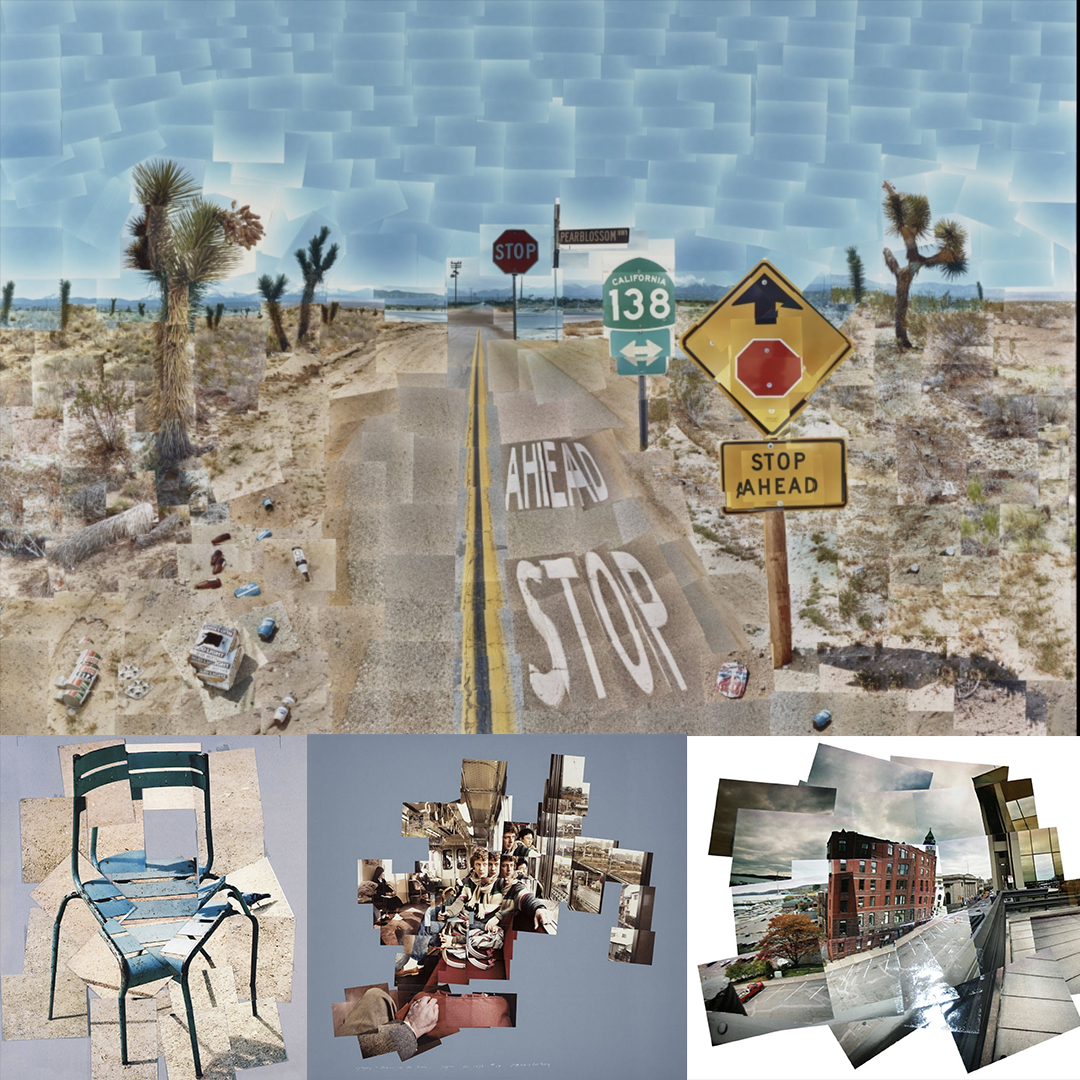
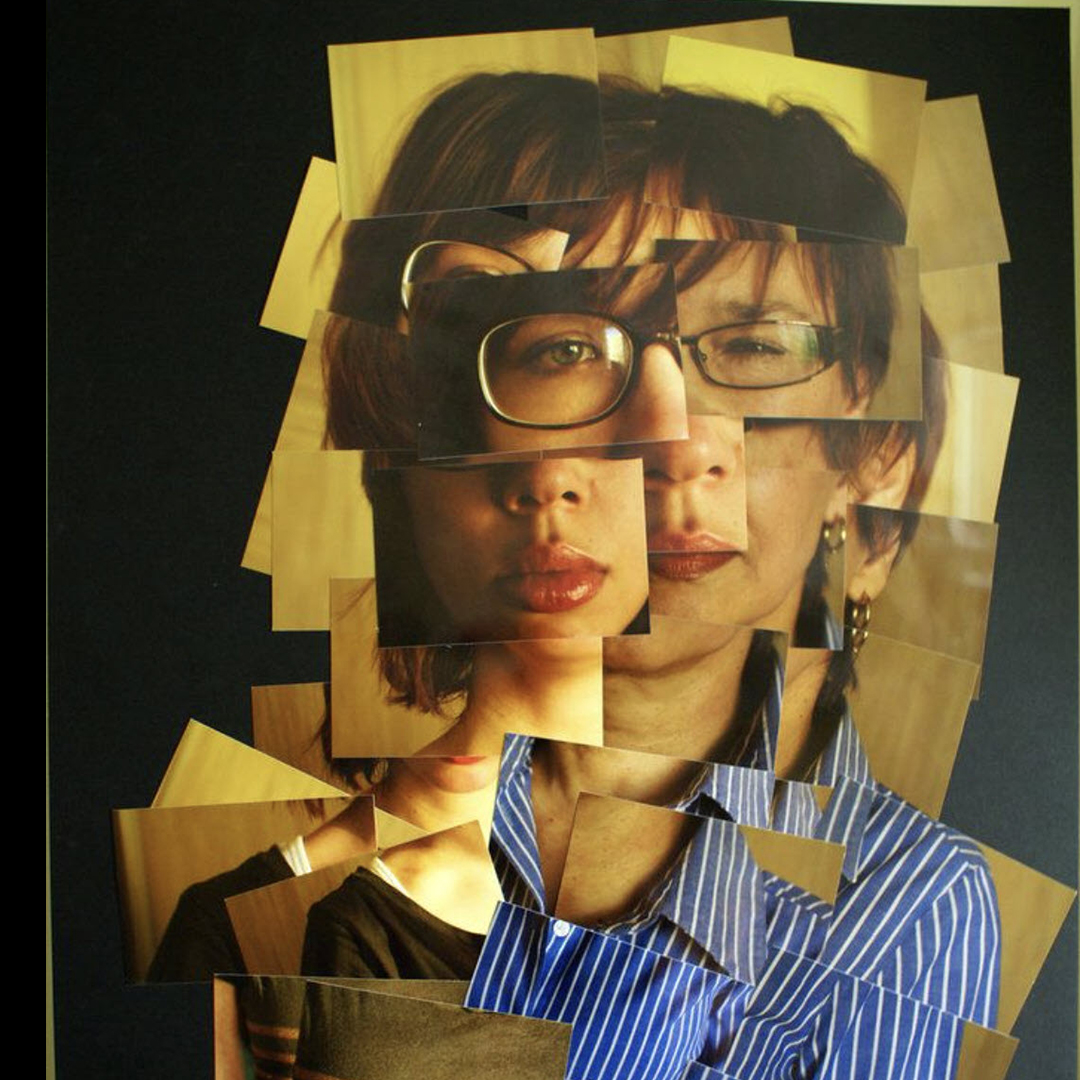
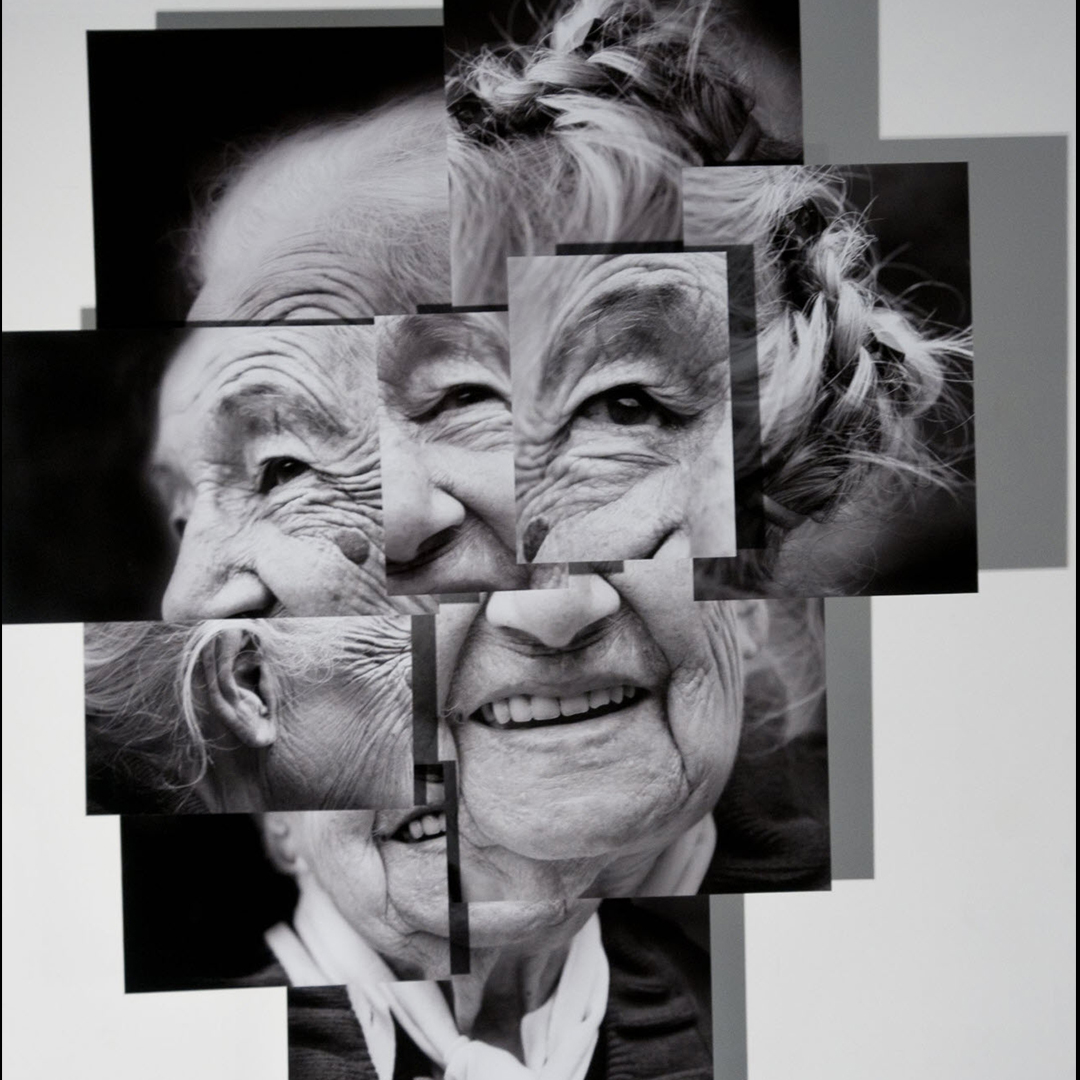
Equally important is our second gallery. David Hockney, 1980’s collage photography. Are interwoven with secret knowledge and historical interpretation to further discover how the old master’s crafted images. Furthermore, these photos by celebrated visual artist DH are inspirational to me.
The galleries on show try to reconstruct meaning and context. Coupled with analyzing Modern art rise, after photography was invented (Early 1800’s). While decoupling conservative definitions between: What art is and for the sake of Warhola. Sabin Howard, please!
In contrast to academic and representational sculptural form. Illustrative, conceptual, photographic and print-shop art practices, take all forms. Correspondingly, the birth of photography allowed artist to experiment with radically new ideas and in time. Make things for the sake of itself.
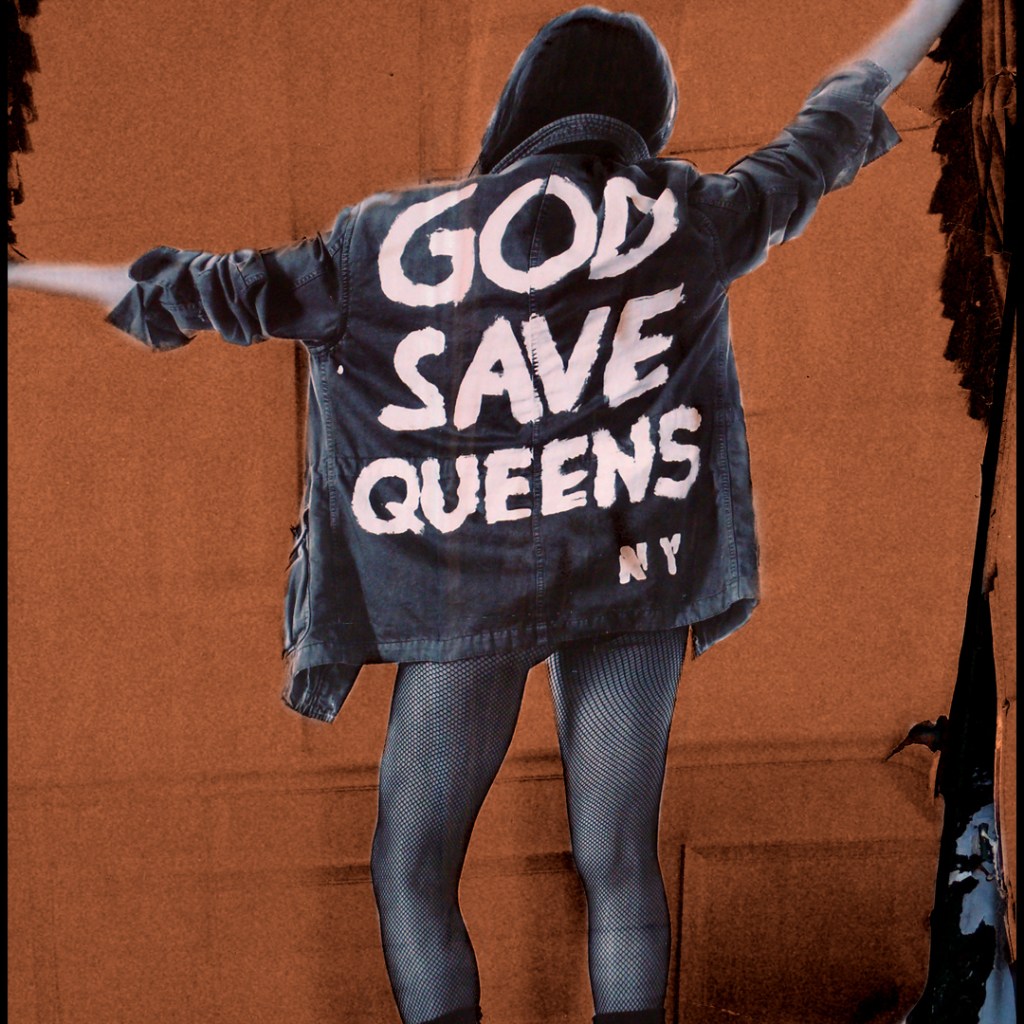
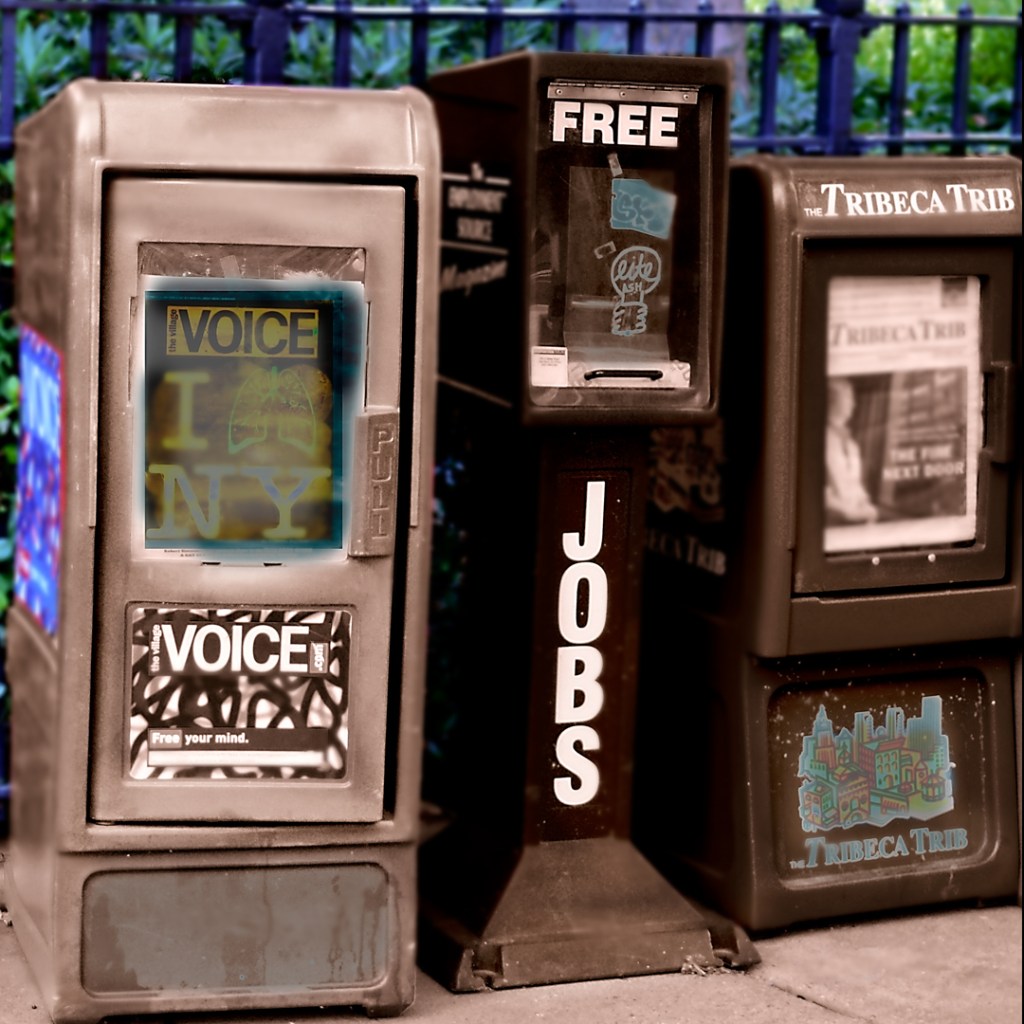
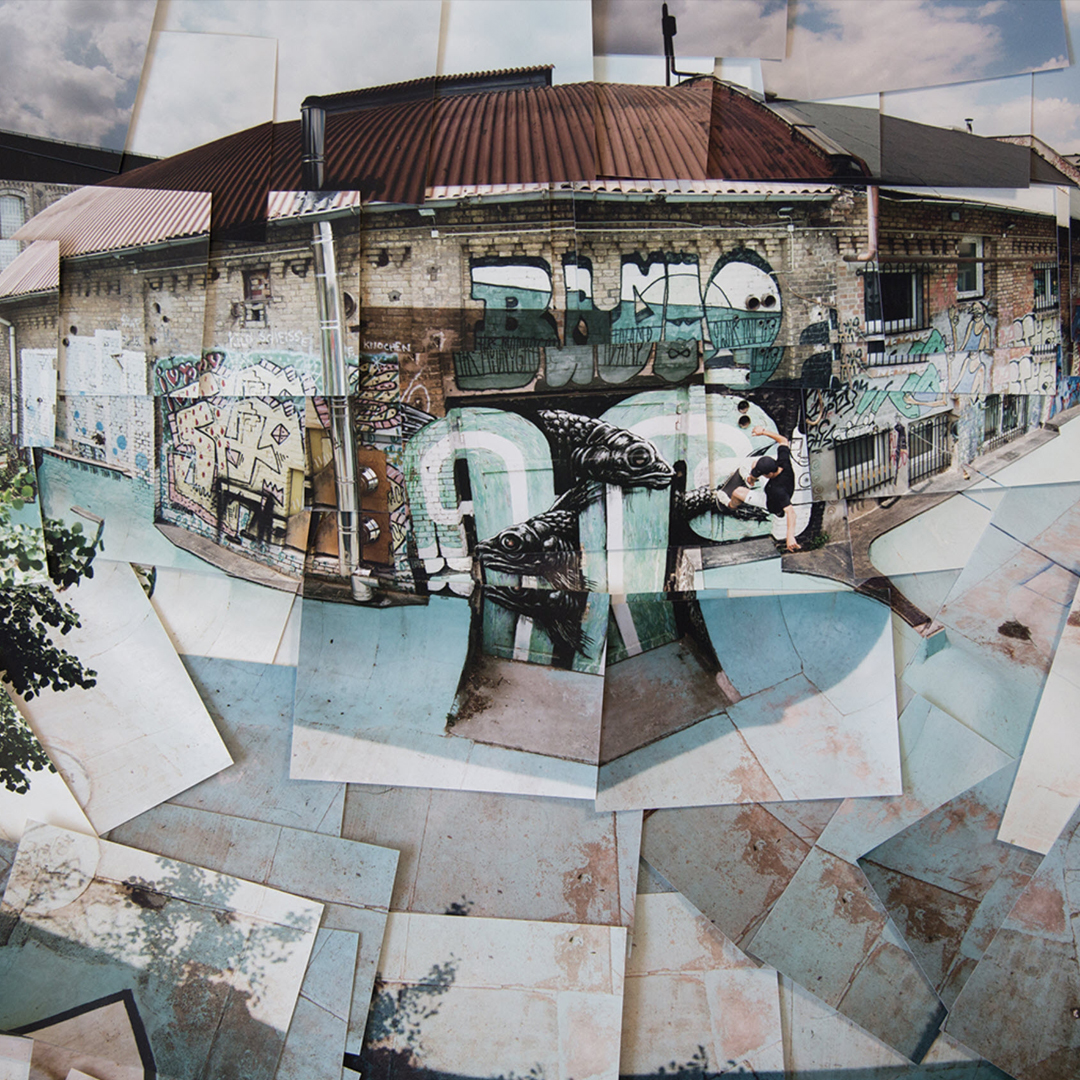
Art Gallery — “Pictographic Takes” -From Street Aesthetics to Modern Art’s Rise. Depicting Uptown spirits using graffiti to uniquely recognize place, meaning and pavement identity.
This transformative gallery seeks to enhance the meaning & rise of Modern Art. With the invention of photography during the early 1800’s to degenerate shapes, forms and taste. We find ourselves, today.
Between two ferns, Meta AI and yours truly (Arts Journal Zine).
Photography was invented in the early 19th century, with the first permanent photography taken by Joseph Nicephore Niepce in 1826. Niepce, a French inventor, used a process called heliography to capture a view from his window in Burgundy, France.
The picture, titled “View from the Window Gras” shows a blurred image of the surrounding countryside. The exposure took about eight hours. Hitherto, oil paint and sculptural academic forms were the best approach for artist to illustrate nature. From 1400 to 1826 (after the common era), academic practices focused on classical genres.
They also emphasized classical sculpture and figure drawing from the model. These approaches included pigment base media, chisel work, marble carving, and etching. The academy acted as a representational medium for artists to earn commissions. Oil paint was invented as medium to replicate nature and subjects.
The academy was an essential practice for earning valuable commissions. Portraiture, Sculpture, Landscape, History Painting, Anatomy, Woodblock, and Etching. Before the invention of photography, Camera Obscura techniques were essential elements to studio practice. Coupled with David Hockney “Secret Knowledge” research findings about the use of this technique.
Post 1826, the medium evolved rapidly, with significant improvements in technology and technique. Notable benchmarks include:
- Louis Daguerre’s Daguerreotype (1839). A more practical and widely used photograph process that produced highly detailed, positive images.
- William Henry Fox Talbot’s Calotype (1841). Introduces processes using a negative image to produce multiple positive prints, making photography more accessible and versatile.
- Wet Collodion Process (1851). A method that involved coating glass plates with a light-sensitive solution, allowing for faster exposure times and more widespread use of photography.
Moreover, these innovations paved the way for the development of modern art. Enabling the capture of timeless moments with radical new departures within the plastic arts. Away from academic regimes, styles and direction.
Technological, scientific and economic conditions in Europe (circa late 1860’s-after the common era) played a crucial role. These innovations became symbolic catalysts for understanding how art was being transformed.
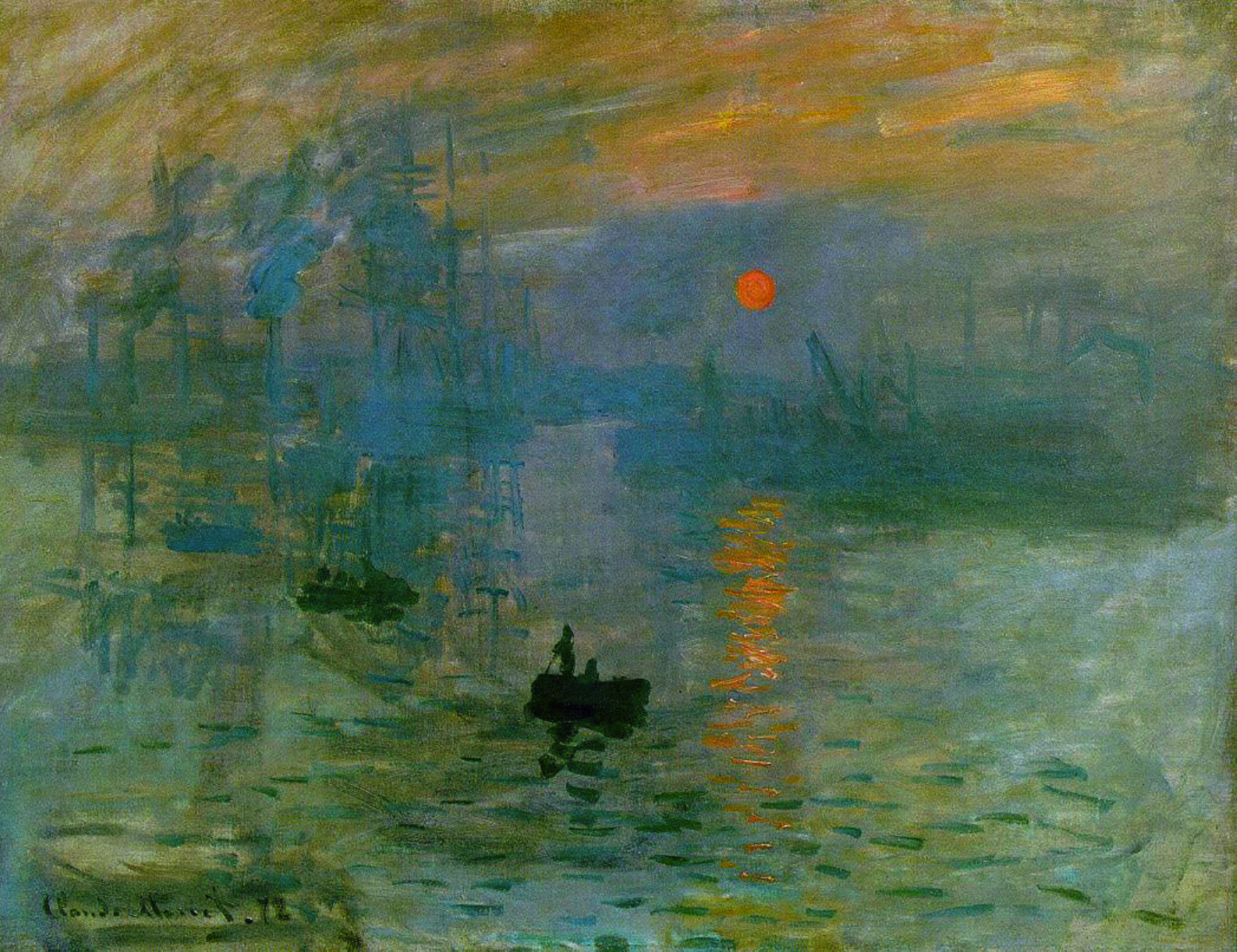
Alongside photography, the first non-academic modern painting began to develop. Claude Monet’s Impressionist Sunrise (1872) was rejected, mocked and ignored by the general public and critics alike. Emulsion, dodging and burning using dark room photographic techniques replicated a silver gelatin portraiture in a matter of hours.
Artist didn’t have to sit around in a typical academic studio. Crafting a portrait using oil painting or sculpture. Lasting months to finish. Photography liberated academic practices towards the personal impressionistic expression we now call: Modern/Post-Modernist art.
Contemporary photography means to me: Line, shape, color, texture, composition, value and collage. Pictographic Takes, embarks onto the viewer with an cosmic analysis baked between imagination and photojournalism. Crafting a single artwork from culling several images about NYC Uptown history and culture.
Working with Northern Manhattan Alliance to craft art directional topic matter, rooted in place and ethos. Inwood, NYC is the neighborhood I speak to, while digital photography and graphic design informs my creative decision.
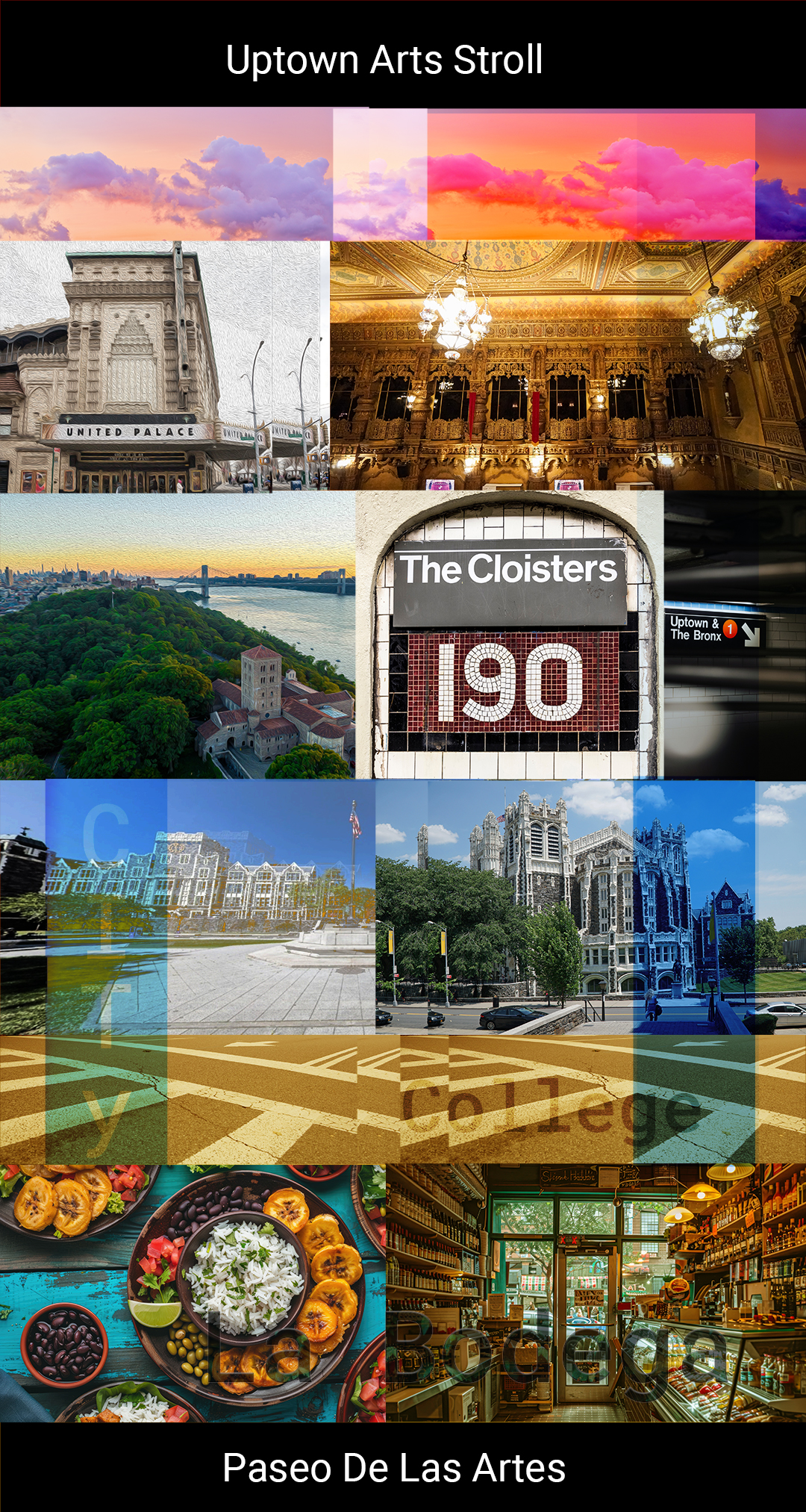
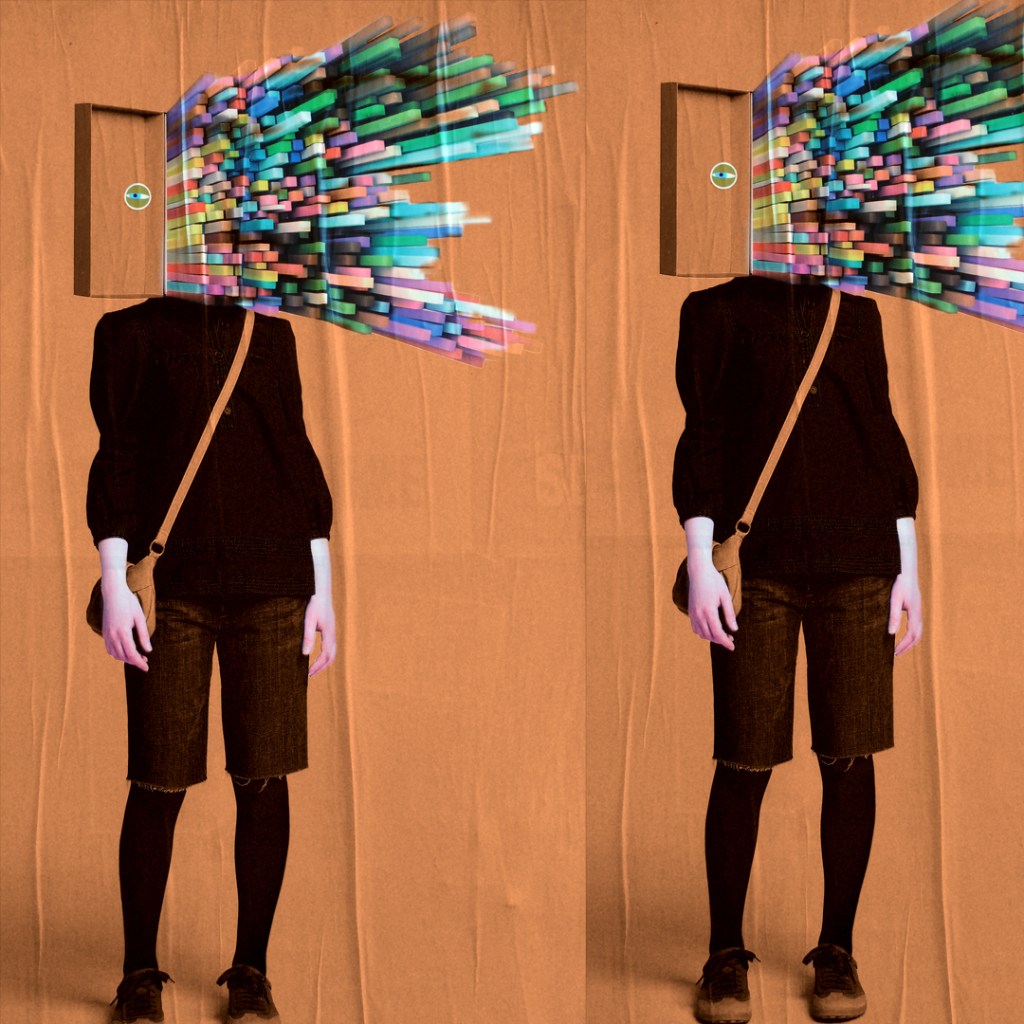
Yet, how does one go about creating a single image to embody the spirit of living Uptown?. I decided to collage several ideas into one universal concept.
Giving birth to “Uptown NYC Arts Stroll. Paseo De Las Artes” Gallery exhibition show. The image below is meant to idealize mood board compositions. For further exhibition with an opening reception, due later this year-2025.
“2025 THEME-The Client Brief: Create an image that best symbolizes the spirit of Uptown NYC arts and culture.“
To be a modernist artist means to be embrace non-academic values . While academic conservatism in the 21st Century is on the rise.
Works by Sabin Howard bring forth narrative and conservative scope with fervor and Renaissance rebirth.
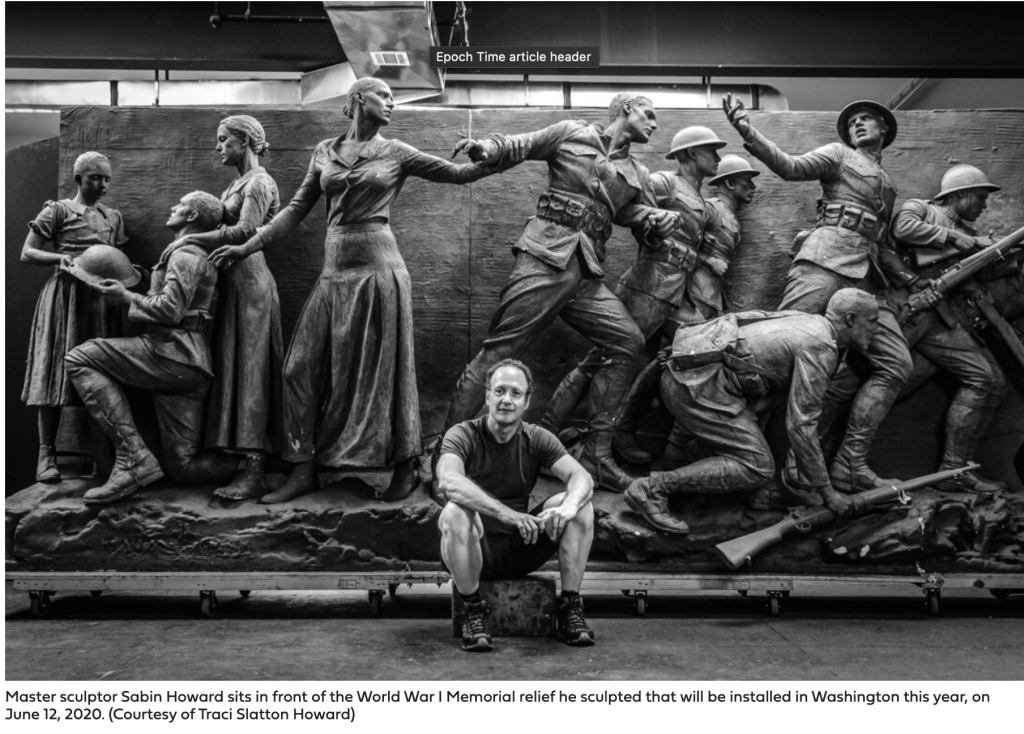
First is the fallowing question:
Did the old masters secretly used “Camera Obscura” to enhanced picture making compositions? Second, David Hockney’s collage photographs. We start with an introductory documentary entitled: “Secret Knowledge.” Third, we analyze what art is. Aligning Andy Warhol’s contribution to the history of art making as equal to the Old Masters. Furthermore, contrary to conservative critics, to paraphrase Clement Greenberg talking about Jackson Pollock. I basically added my own spin by referencing Warhol.
Andy’s work must be measured with the same tenacity as the old masters were. Watch the documentary below, Artist Painting. The documentary is the essential history of Modern Art. (1872 to 1950)
Painters Painting: Rebuttal to the classics.
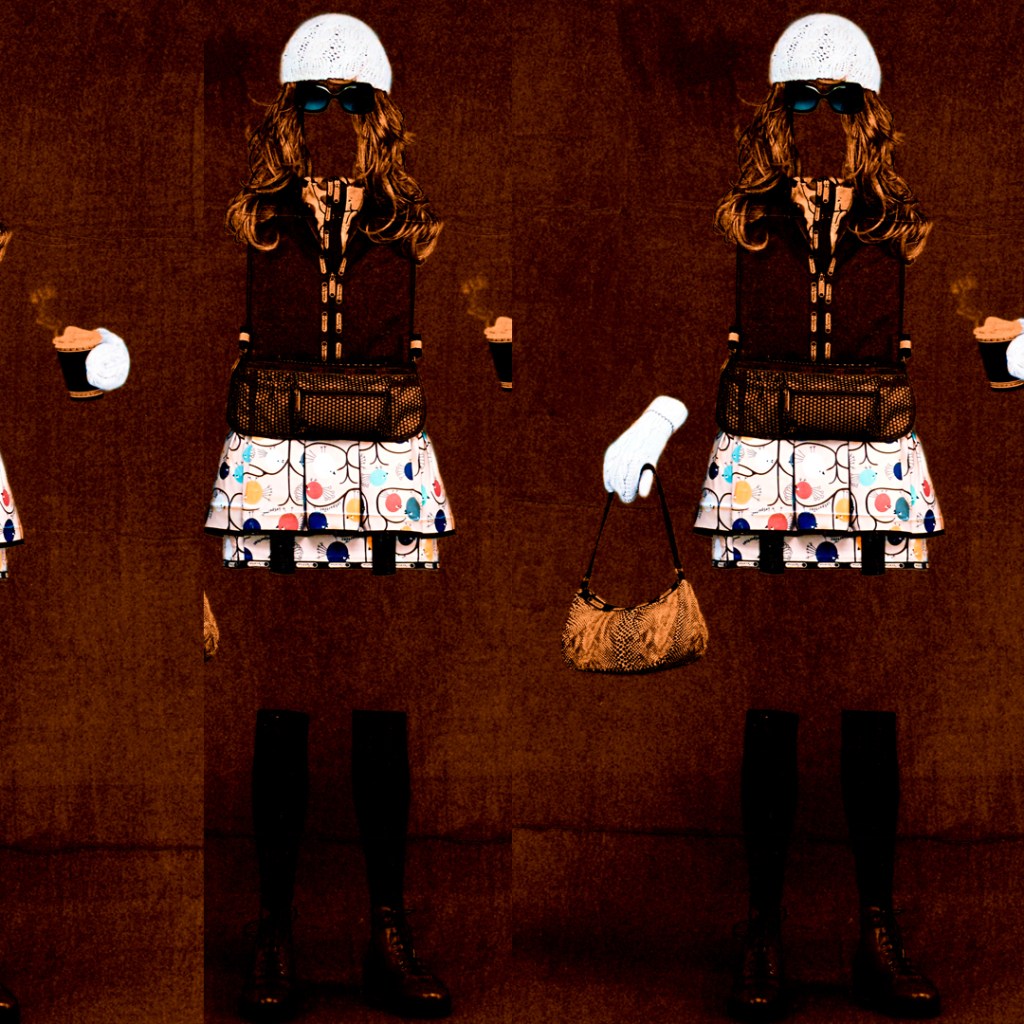
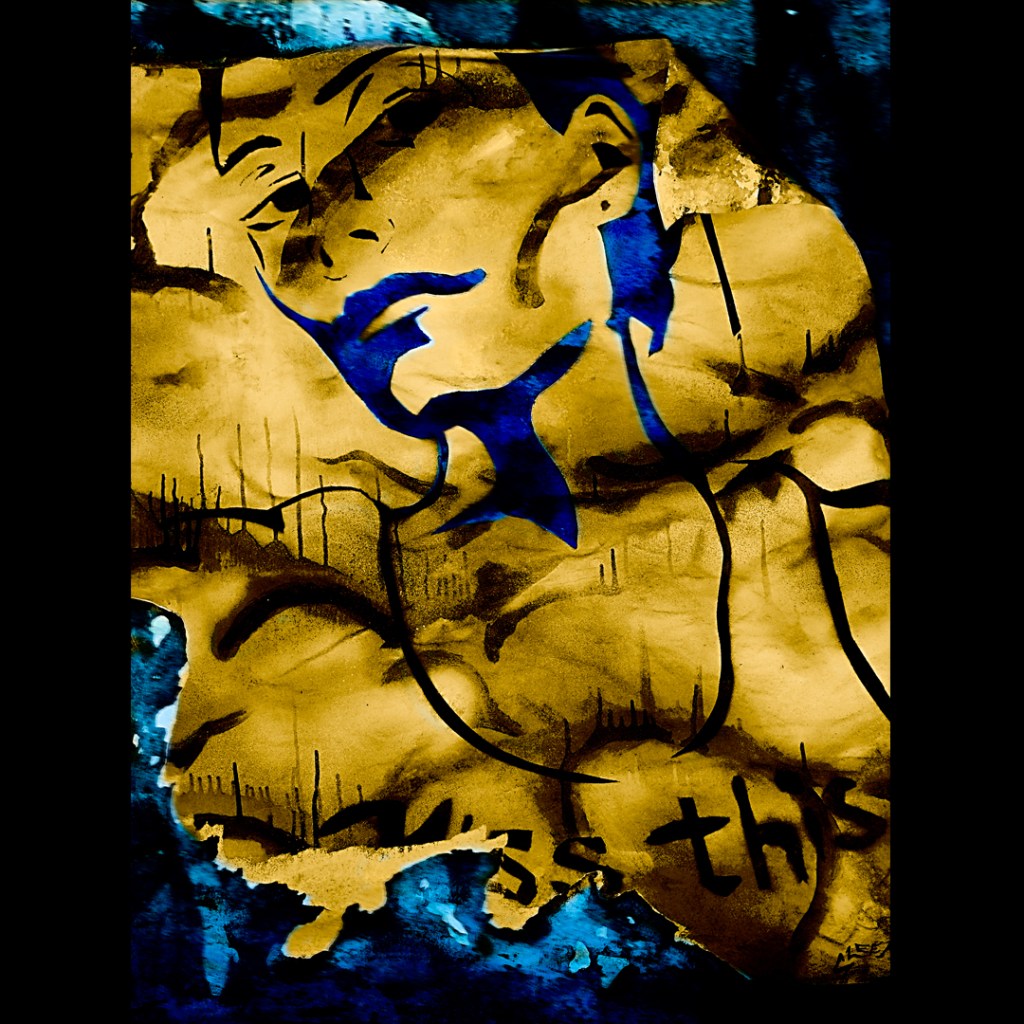
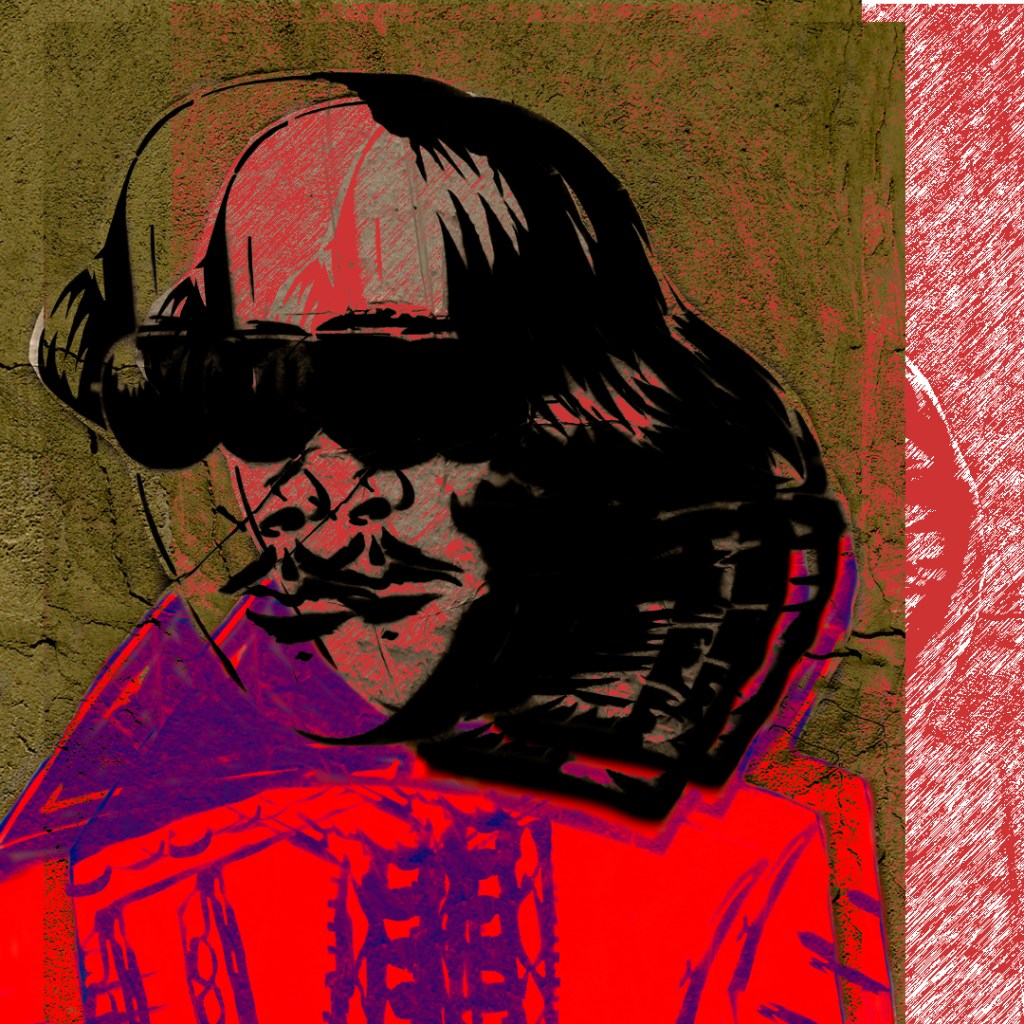
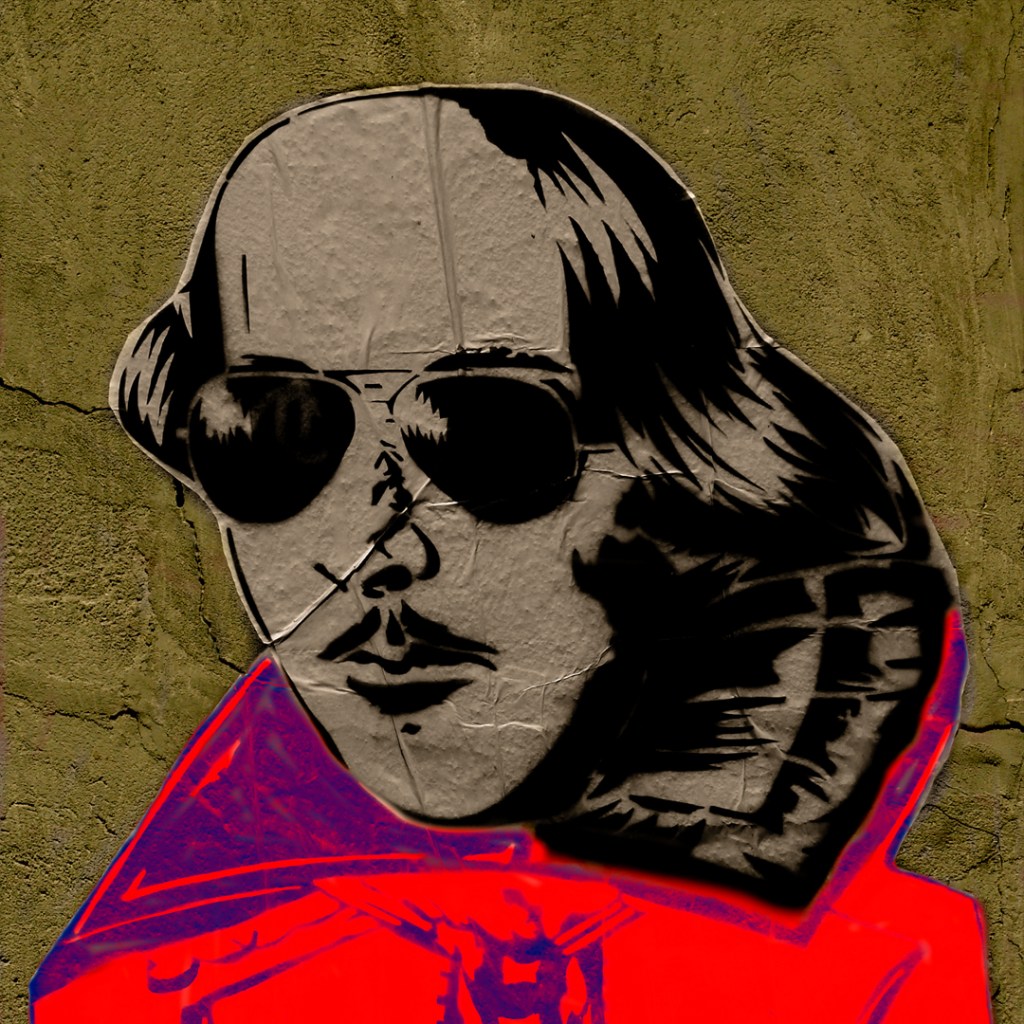
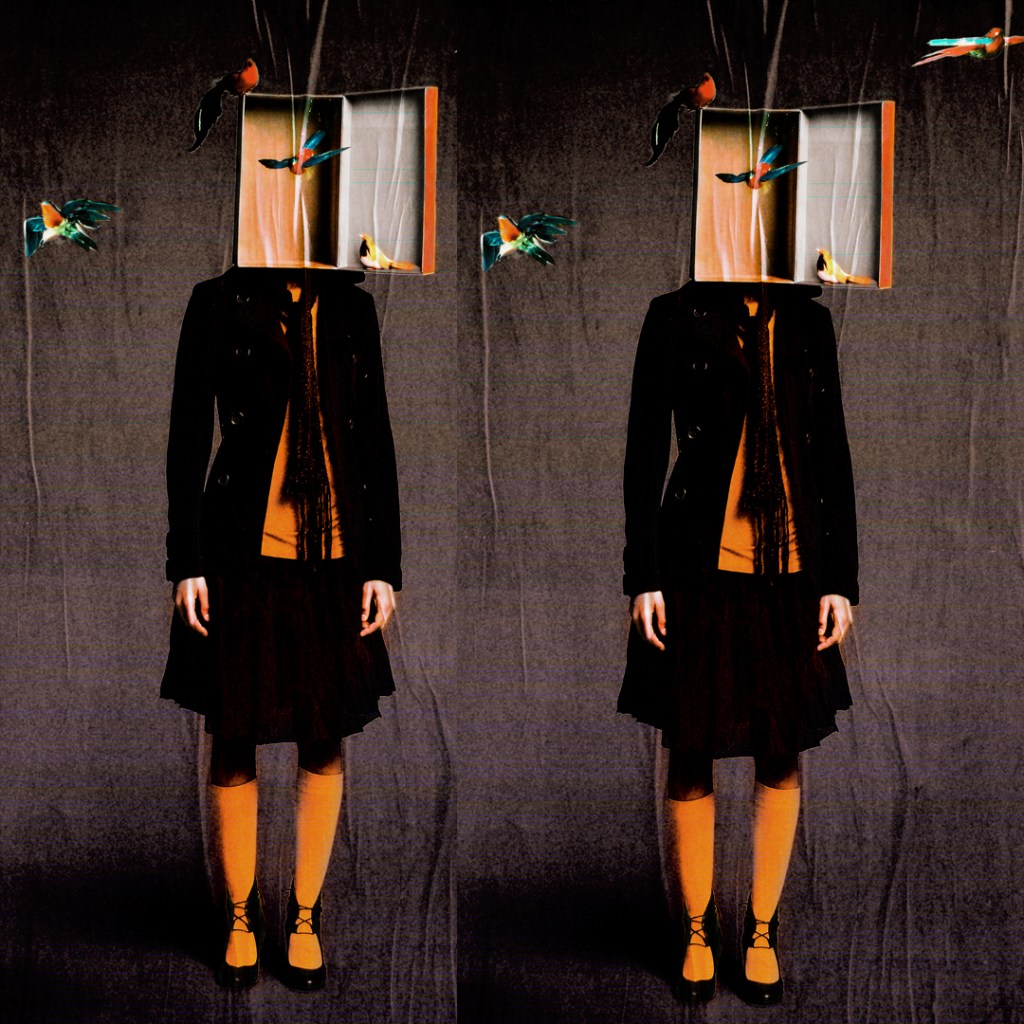
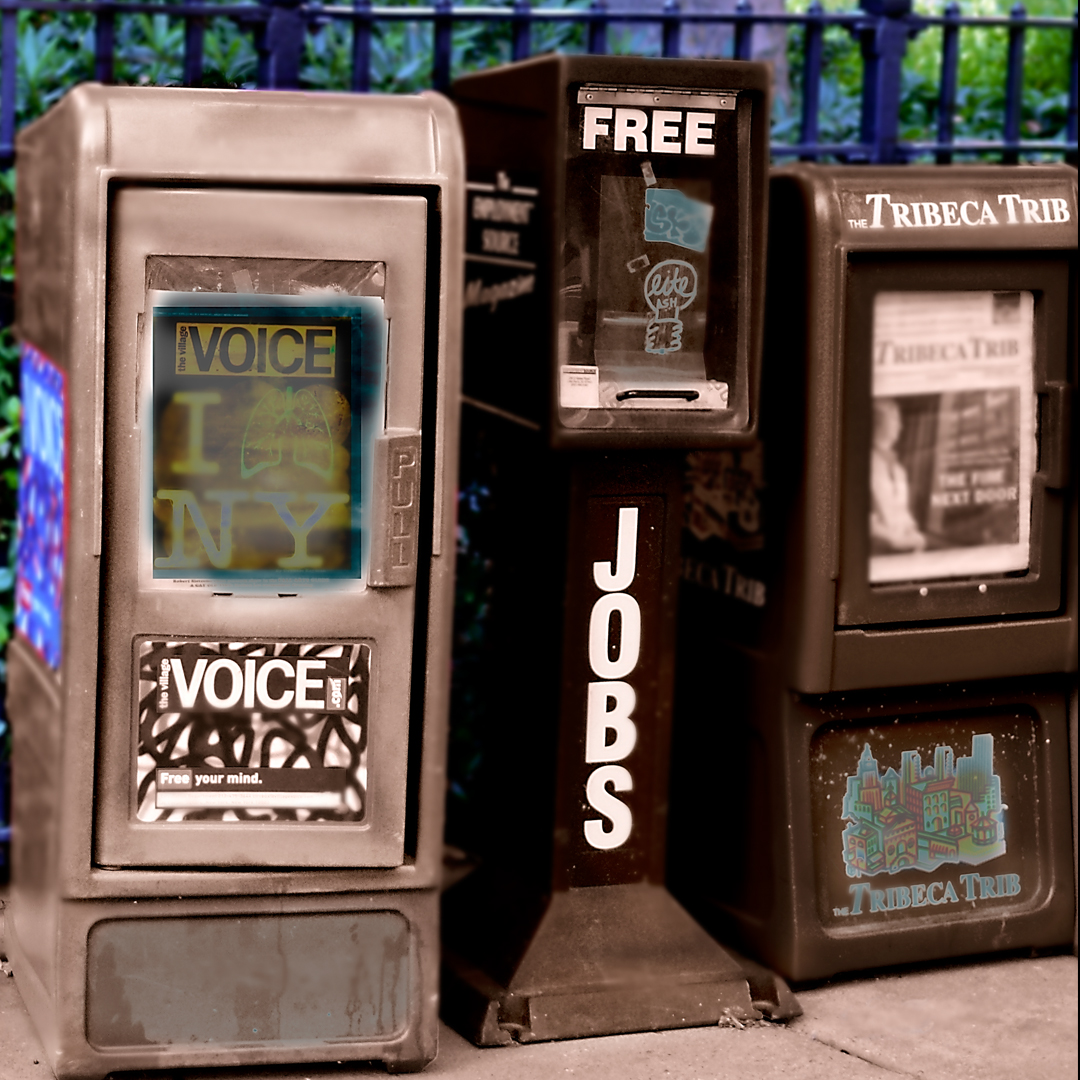
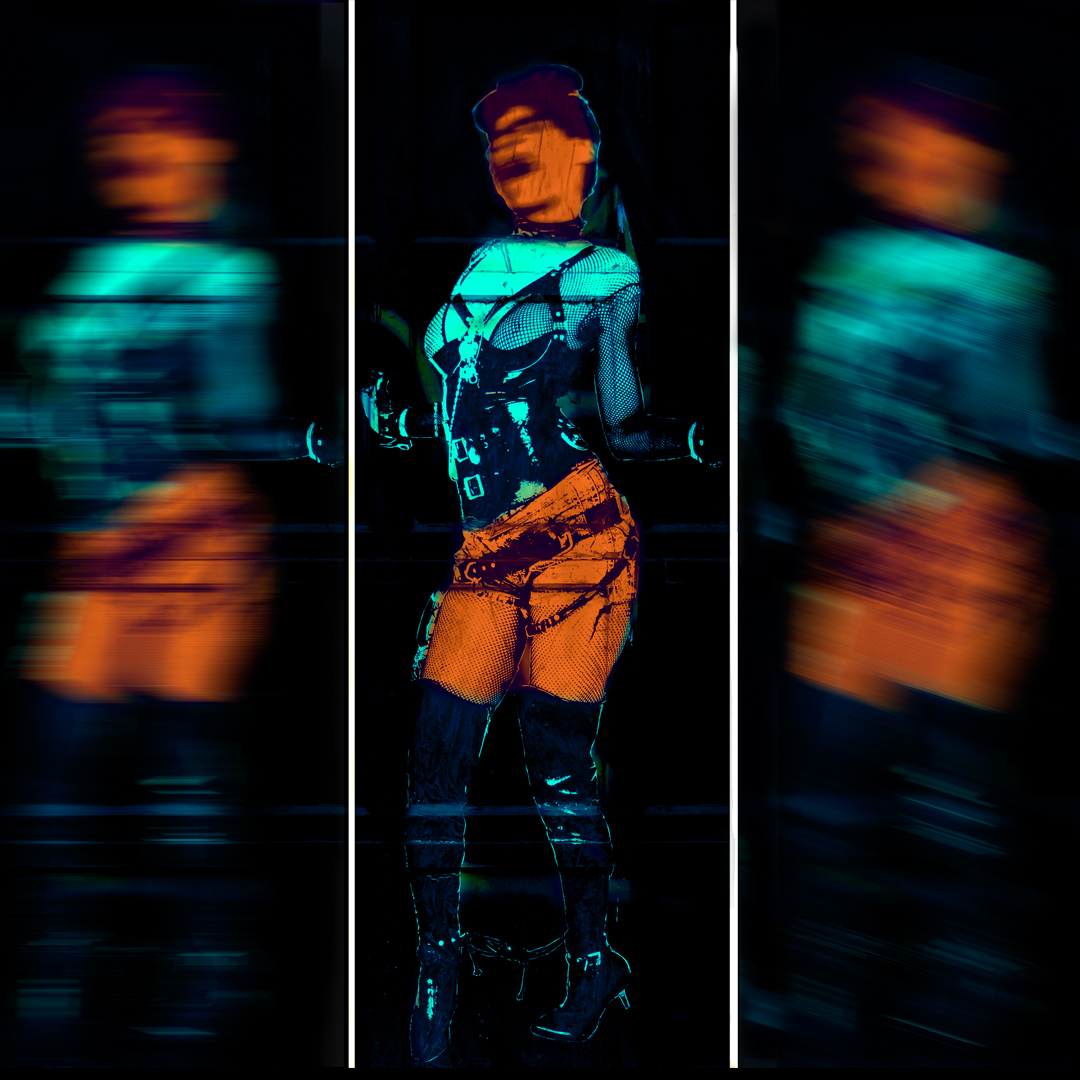
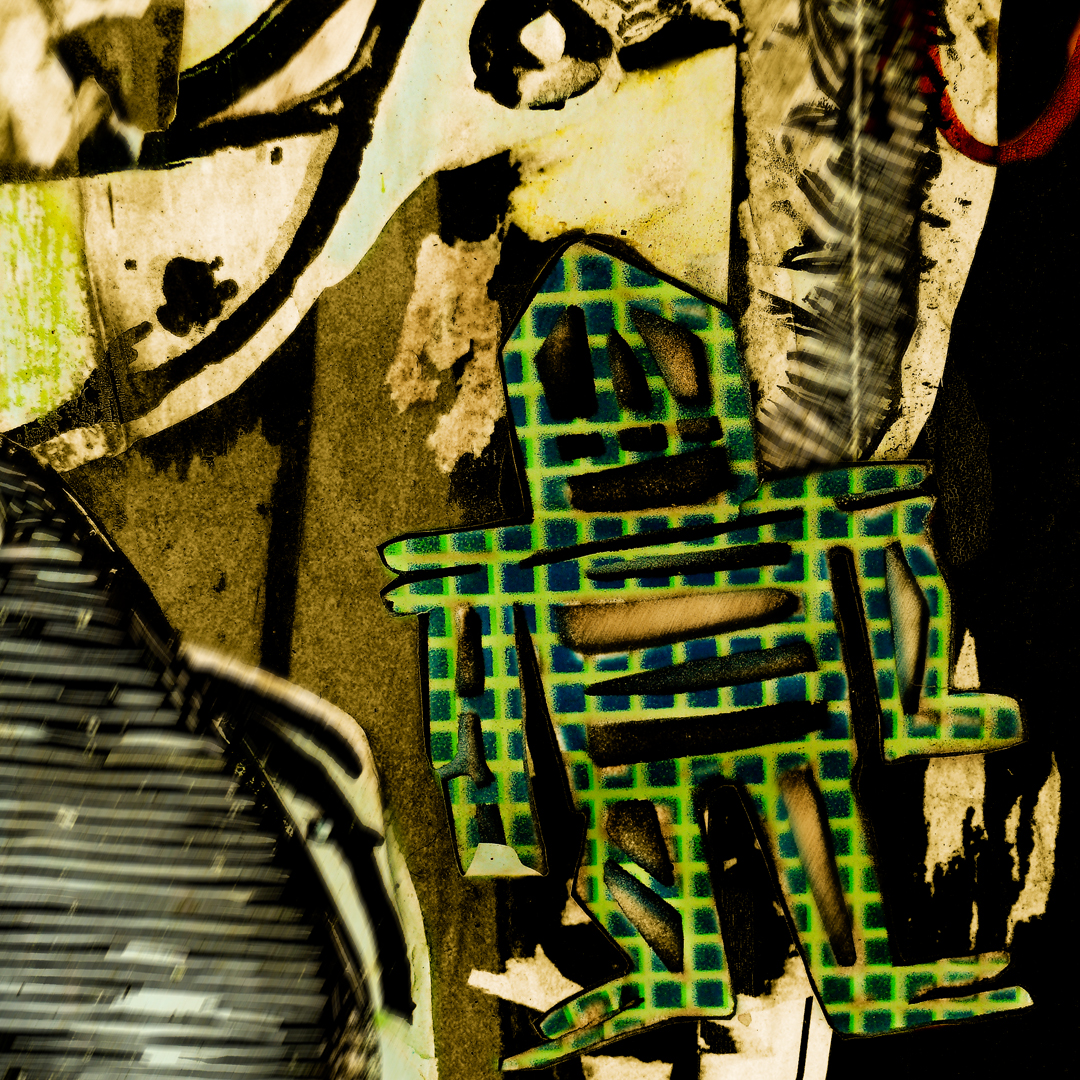
Pictographic Gallery: Street Art Collection by
Salvador DC-2025
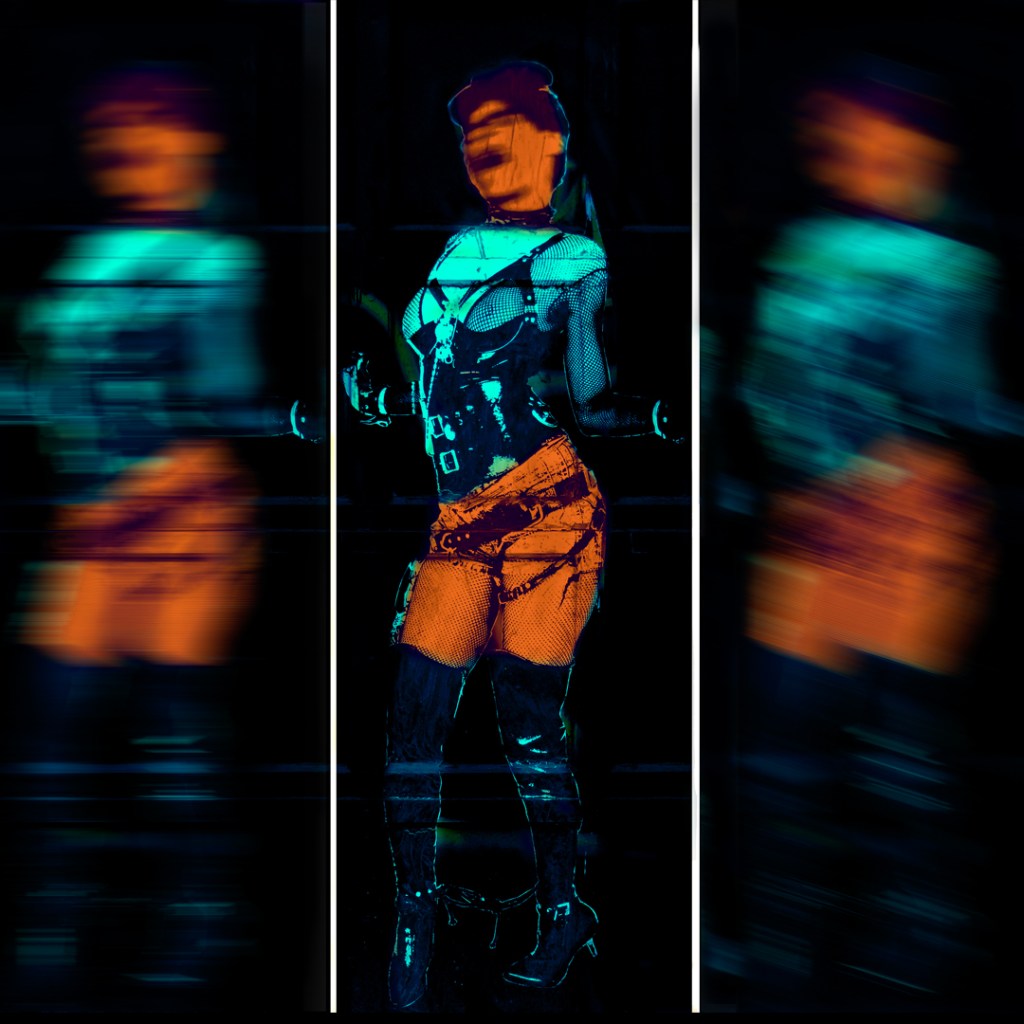
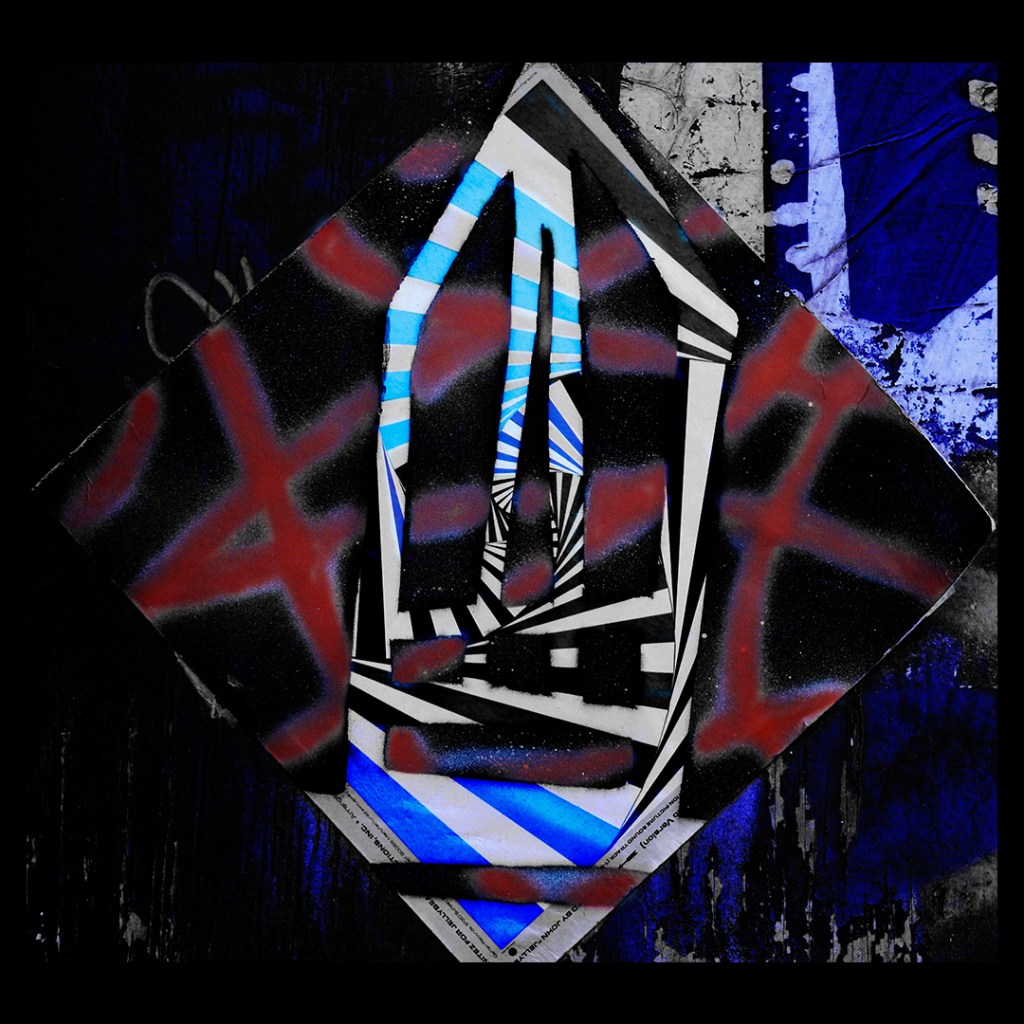

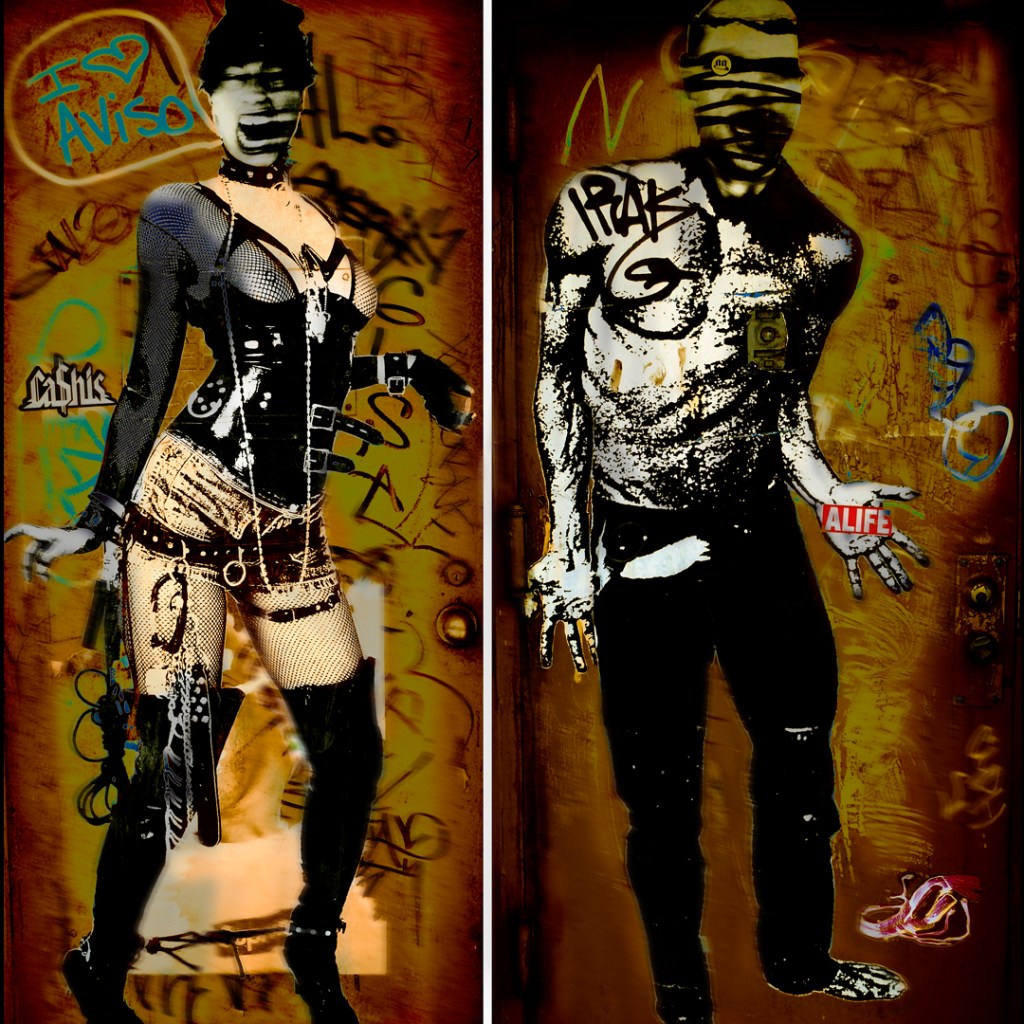
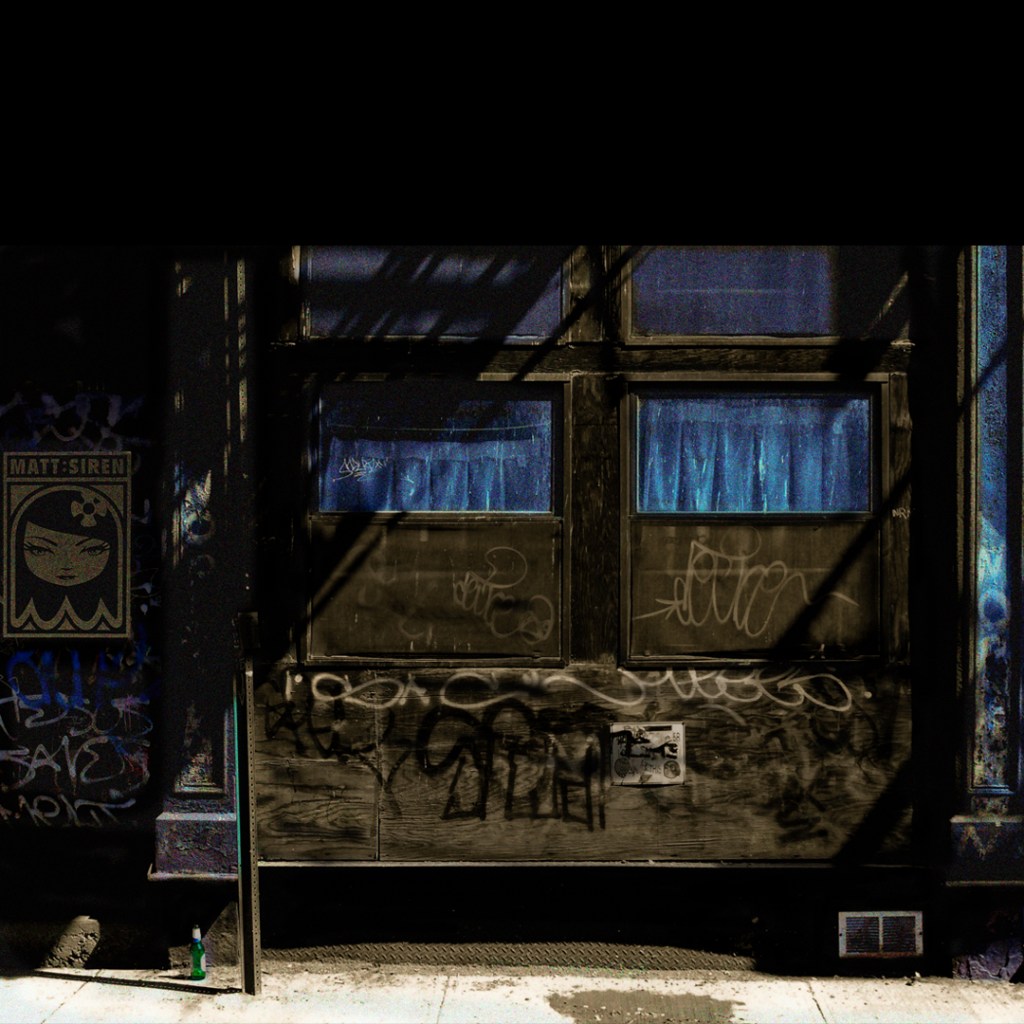
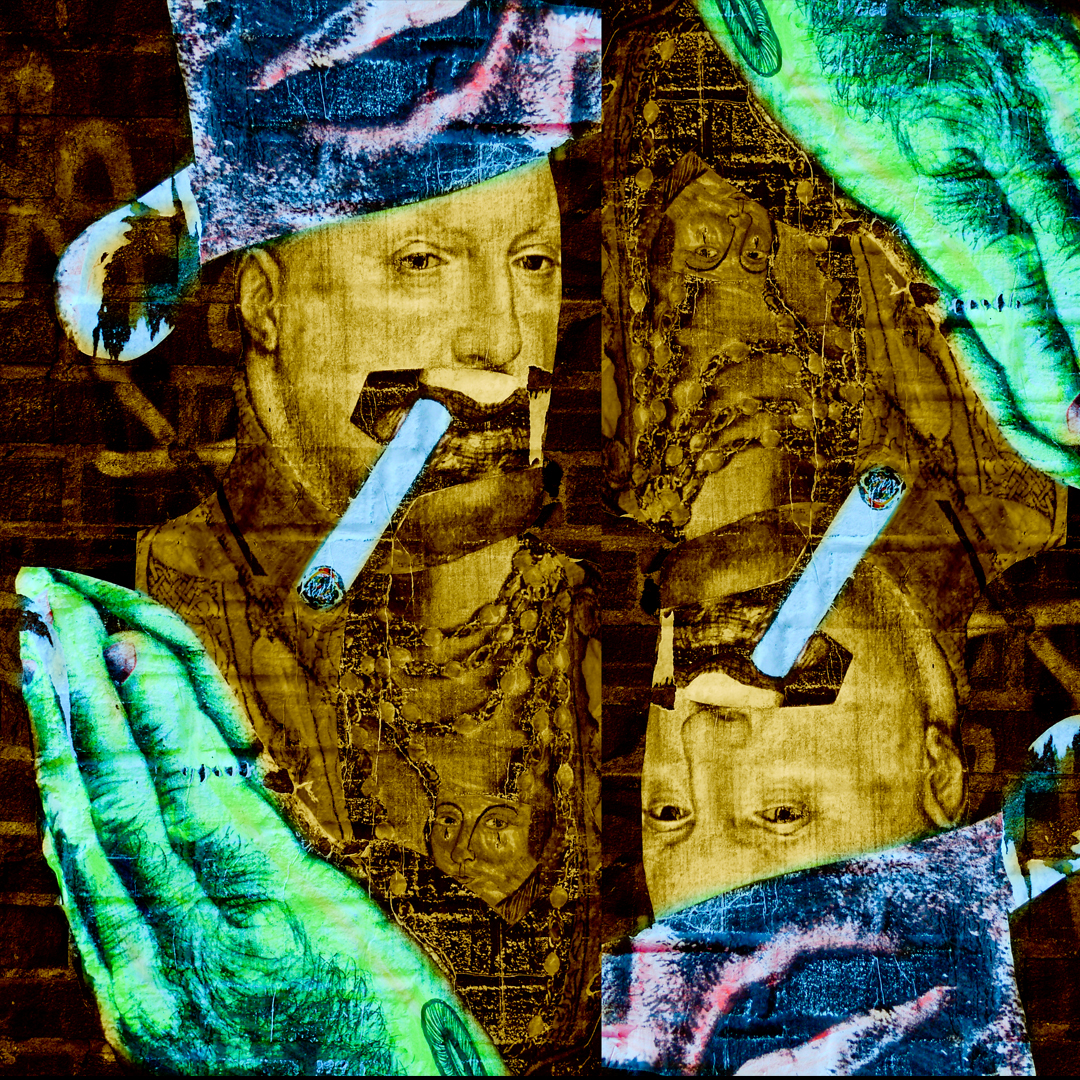
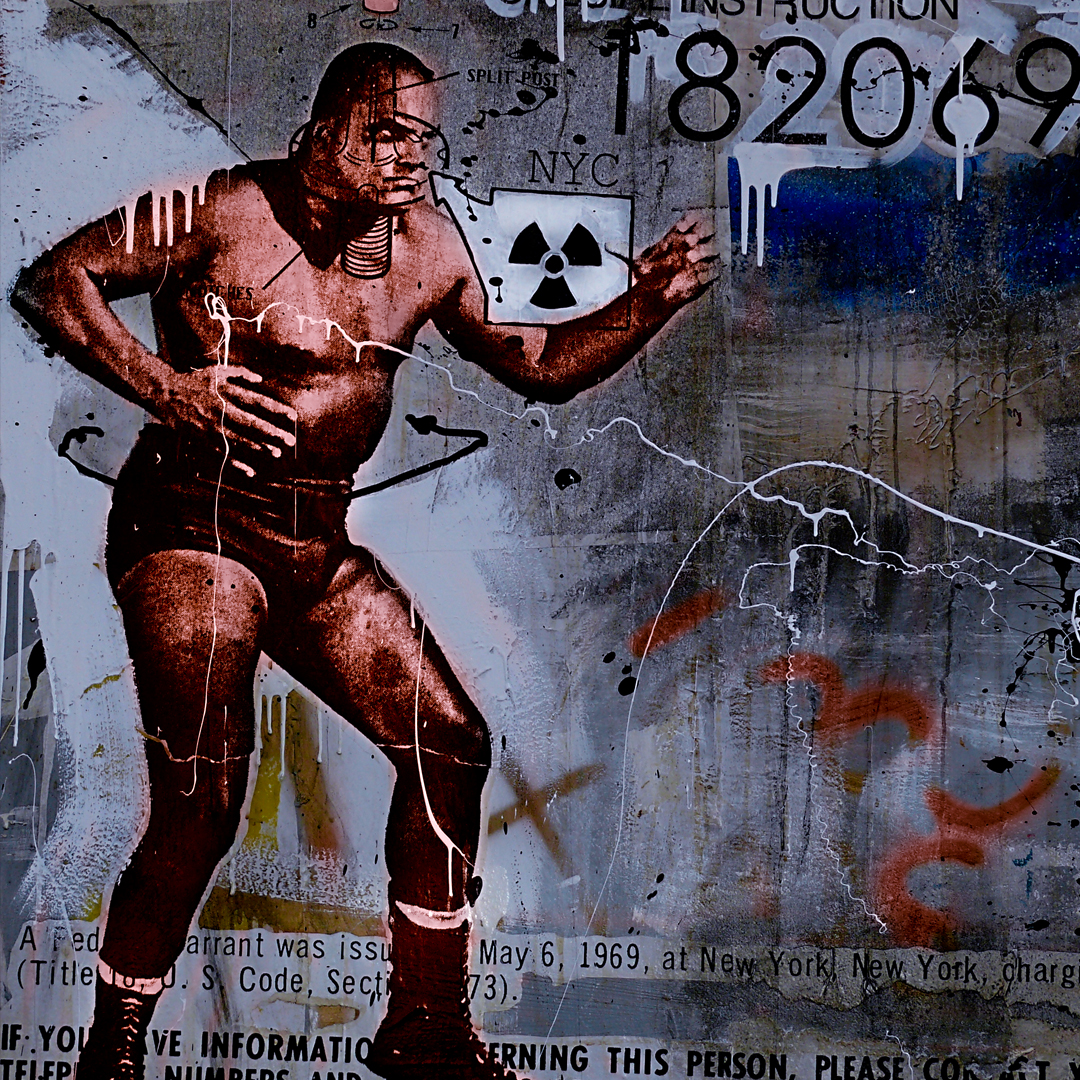
Secret Knowledge Composition
Second note. David Hockney documentary, entitled: “Secret Knowledge” produced by the BBC. Demystifies, reveals, challenges and brings forth. How the old masters employed the use of Camera Obscura. To generate painterly images using mirror to tracing photographic techniques. These techniques are often linked with Modern Art processes.
Contrary yet, DH research indicates Camera Obscura techniques were used by the old masters through most modern European cities, dating back to early 1400 (after the common era). Before the invention of photography and well into the 20th Century, art has been traditionally influenced by everybody, to paraphrase Andy Walhol.
Camera Obscura is an optical device. It projects an inverted image of the outside world onto a surface inside. This is done using only natural light. It’s essentially a primitive precursor to the modern camera. How does Camera Obscura work?
- Light enters: Natural light passes through a small hole or lens on one side of the device.
- Image projection: The light is then projected onto a surface inside the device, creating an inverted image of the outside world, subject matter, person or still life motif.
- Image appears: The projected image appears upside-down and reversed, but with surprising clarity to reproduced photographic images, when traced with charcoal, pencil and oil paint.
History and Significance:
Camera Obscura has been know since ancient times, with descriptions found in the works of Chinese philosopher Mozi (470-391 BCE) and Greek philosopher Aristotle (384-322 BCE). During the Renaissance, camera obscura is no longer a widely used technology, its principles continue to inspire modern innovations, such as: 1-Pinhole cameras: A modern take on the camera obscura, using a small pinhole to project an image onto a surface.
2-Optical instruments: Telescopes, microscopes and other optical instruments rely on similar principles to project and magnify images.
3-Artistic explorations: Camera obscura continues to inspire modern artist, contemporary photographers and filmmakers who experiment with its unique properties to create innovative and captivating realism from natural subjects.
David Hockney’s Secret Knowledge
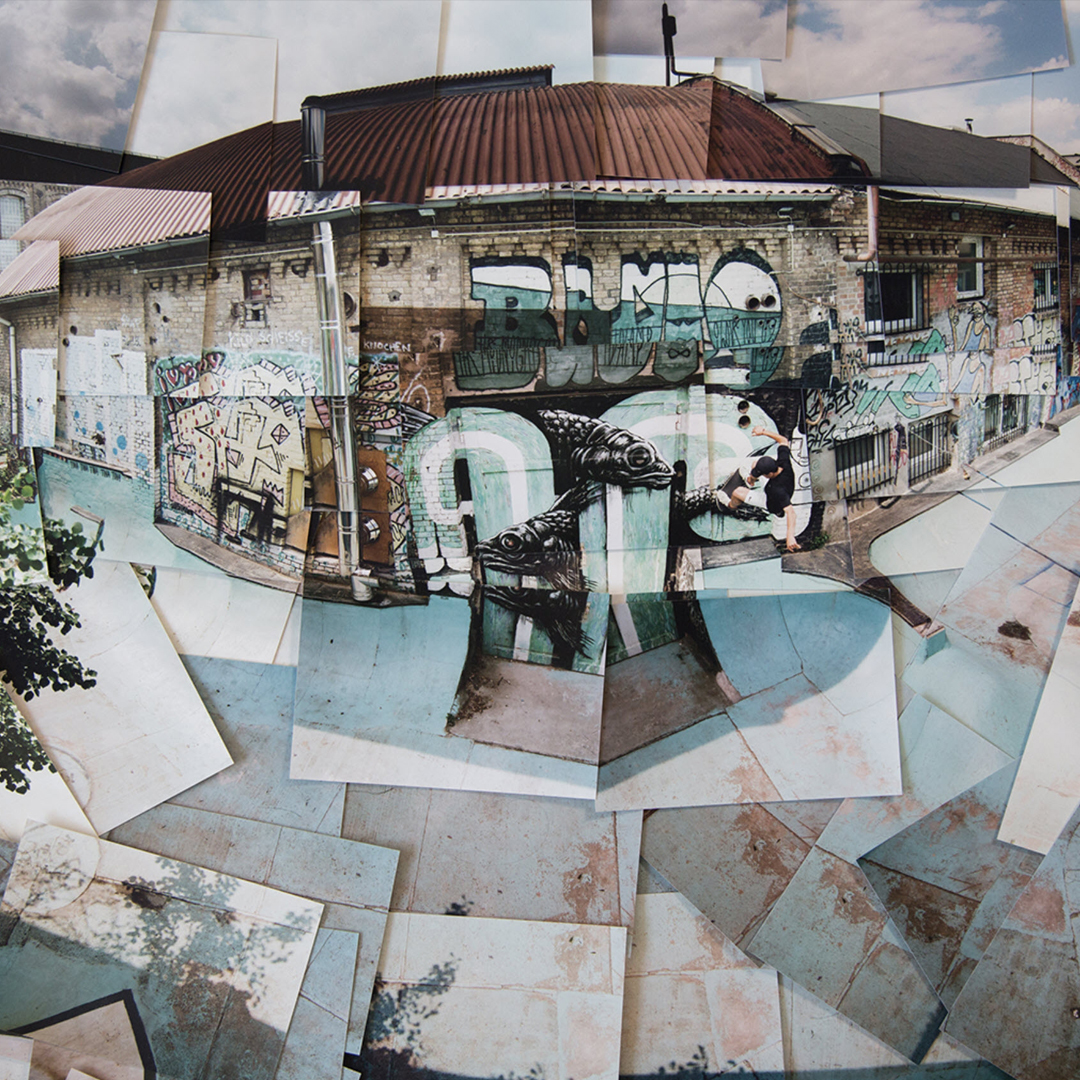
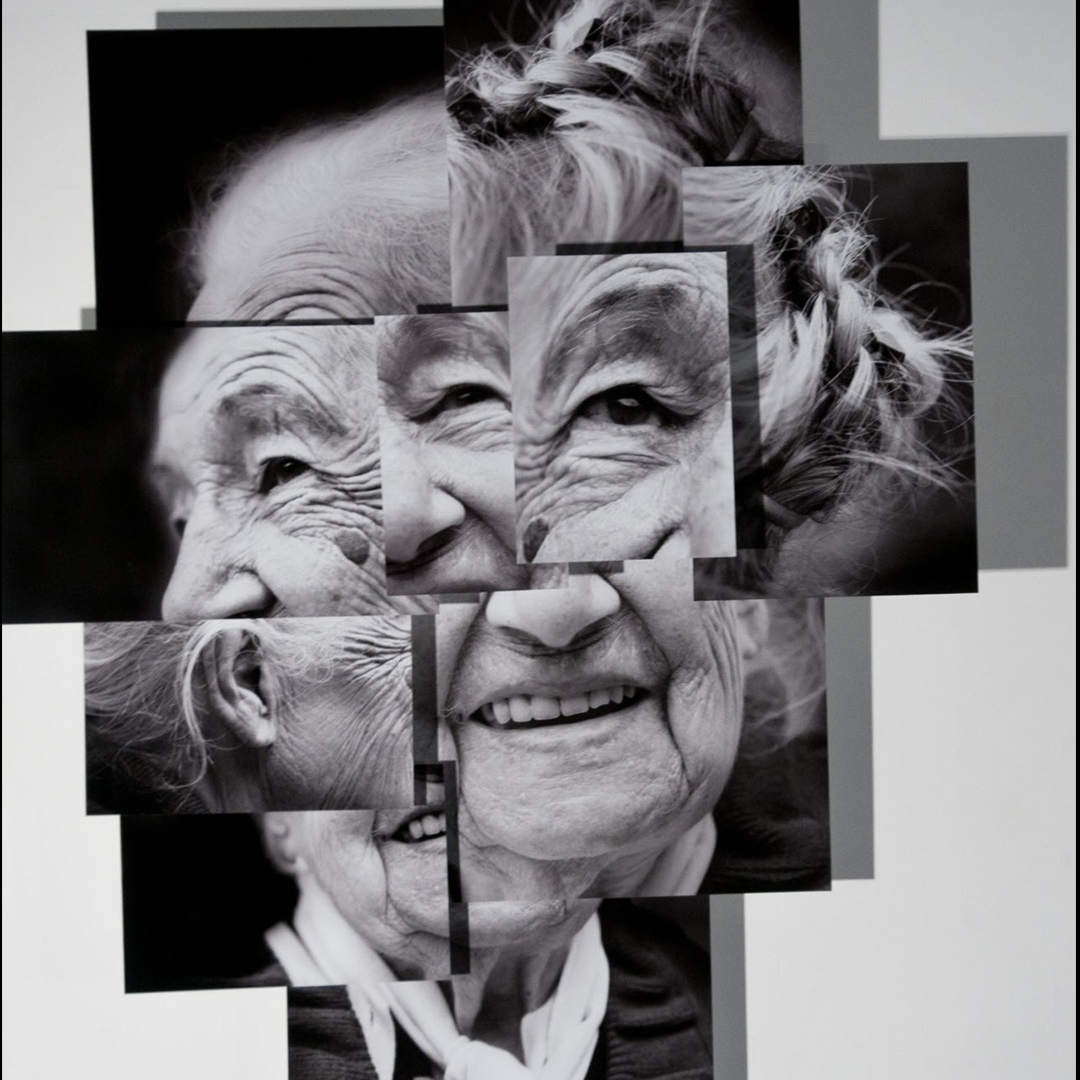
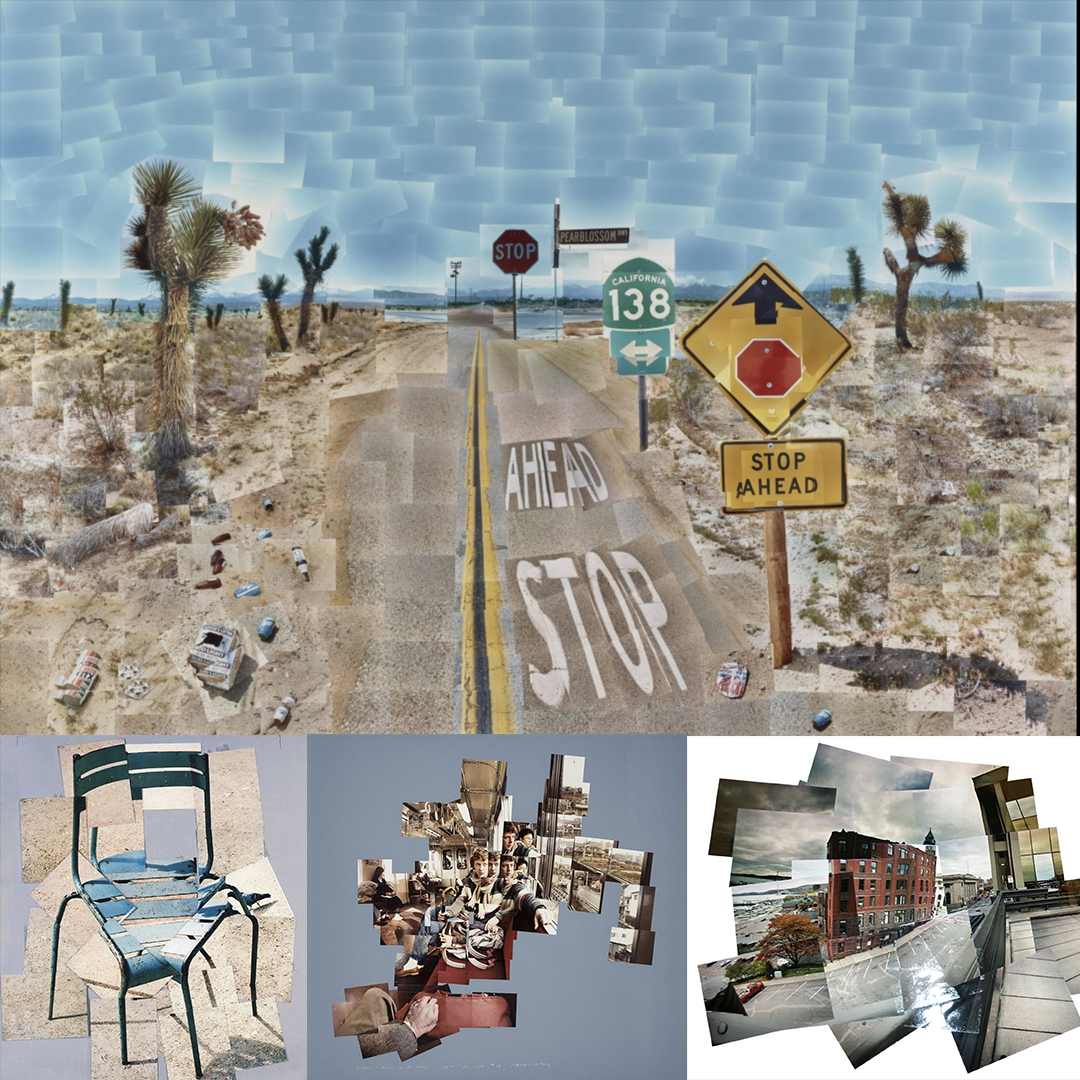
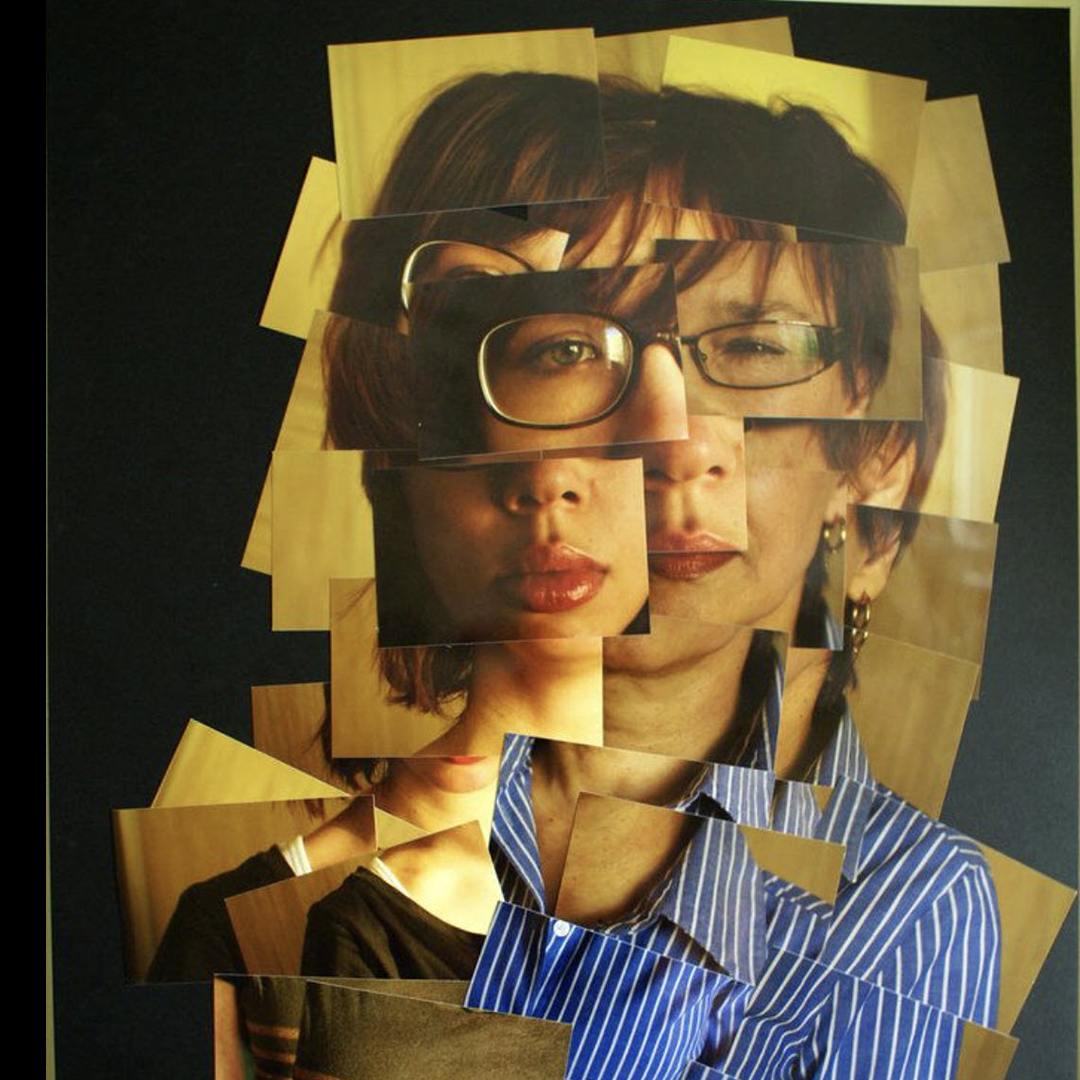
We can say with pinpoint accuracy. The old masters employed Camera Obscura. They used optical mirrors to develop masterful impressions on canvas.
What does this mean to the age old question: What art is? concerning academic vs modern discourses.
Photography liberated academic regiments towards the corporeal, expressive and transformative. To some, degenerate strokes, while modernity began to yield back.
The question whether artist choose to learn academic art practices as a prerequisite to importance. On the contrary nevertheless to Warhol “Everybody is influence by everybody“.
Paula Williams
Next Steps: Creative Think Tank DC, LLC
- Digital Agency Startup
- UX writing focus groups for B2B / B2C markets.
- Content Strategy solutions.
- Cloud Deployment: On Premises to Cloud
- UI Prototyping Startup Ideas
- Art Direction Marketing.

 Arts Journal Zine

Leave a comment